

Partial Dentures in Beverly Hills
Partial Dentures
A removable replacement for several missing teeth, designed around the teeth you still have so those are protected rather than overloaded.
Replacing Some Teeth, Protecting the Rest
A partial denture replaces several missing teeth while your remaining natural teeth stay in place. It is held by the teeth around it, either with clasps or with precision attachments, and it comes out for cleaning. What separates a well-made partial from a poor one is how the design distributes force. Done properly, the load is shared across several teeth and the underlying tissue. Done badly, it rests too heavily on one or two teeth and loosens them over time, which is how patients end up losing more teeth than they started with. Dr. Shir designs the framework around the long-term survival of what remains, not just around filling the gaps.
PARTIAL DENTURES: WHAT TO KNOW
The types available, what a partial does for you, and what to expect from living with one.

Cast Metal Framework Partials
A thin, rigid framework carrying the replacement teeth, with clasps that grip your natural teeth. The strongest and thinnest option, which means less bulk in the mouth and better force distribution. The most commonly recommended design where several teeth are missing.
Flexible Partials
Made from a flexible thermoplastic that adapts to the tissue with no metal clasps visible. More comfortable for some patients and more discreet at the front, though less rigid, which limits how well it distributes chewing force across the arch.
Acrylic Partials
A simpler design in acrylic, often used as a temporary or transitional appliance while tissue heals after extractions, or while a longer treatment plan is being carried out. Less durable than a cast framework and not intended as a long-term solution.
Precision Attachment Partials
Instead of visible clasps, the partial connects to crowns on your natural teeth through concealed attachments. More discreet and generally more stable, though it requires crowning the supporting teeth, which is a larger commitment.
Protecting Your Remaining Teeth
Teeth either side of a gap tip into it over time and the opposing tooth drifts down. A partial holds everything in position, and a well-designed one spreads chewing force so no single tooth carries more than it should.
Restored Chewing and Speech
Missing back teeth shift chewing to one side and can affect certain sounds. Most patients adapt to eating with a new partial over two to three weeks, starting with softer foods cut small and building up.
Designed From a Digital Scan
Your mouth is scanned rather than impressed with trays where the case allows it, so the framework fits the tissue and the teeth accurately. Fit is what decides whether a partial is comfortable or a constant irritation.
The Adjustment Period Is Normal
New partials feel bulky, increase saliva, and can affect speech for the first week or two. Sore spots are expected and are adjusted at review appointments. This settles, and the adjustments are part of treatment rather than a sign anything is wrong.
Relines and Long-Term Care
The bone and gum underneath change shape gradually after teeth are lost, so a partial that fitted well will loosen over the years. Relining restores the fit without remaking the whole appliance, and it is usually needed every few years.
PARTIAL DENTURE OR FIXED REPLACEMENT
A partial is not the only way to replace several missing teeth, and it is worth understanding the alternatives before deciding.
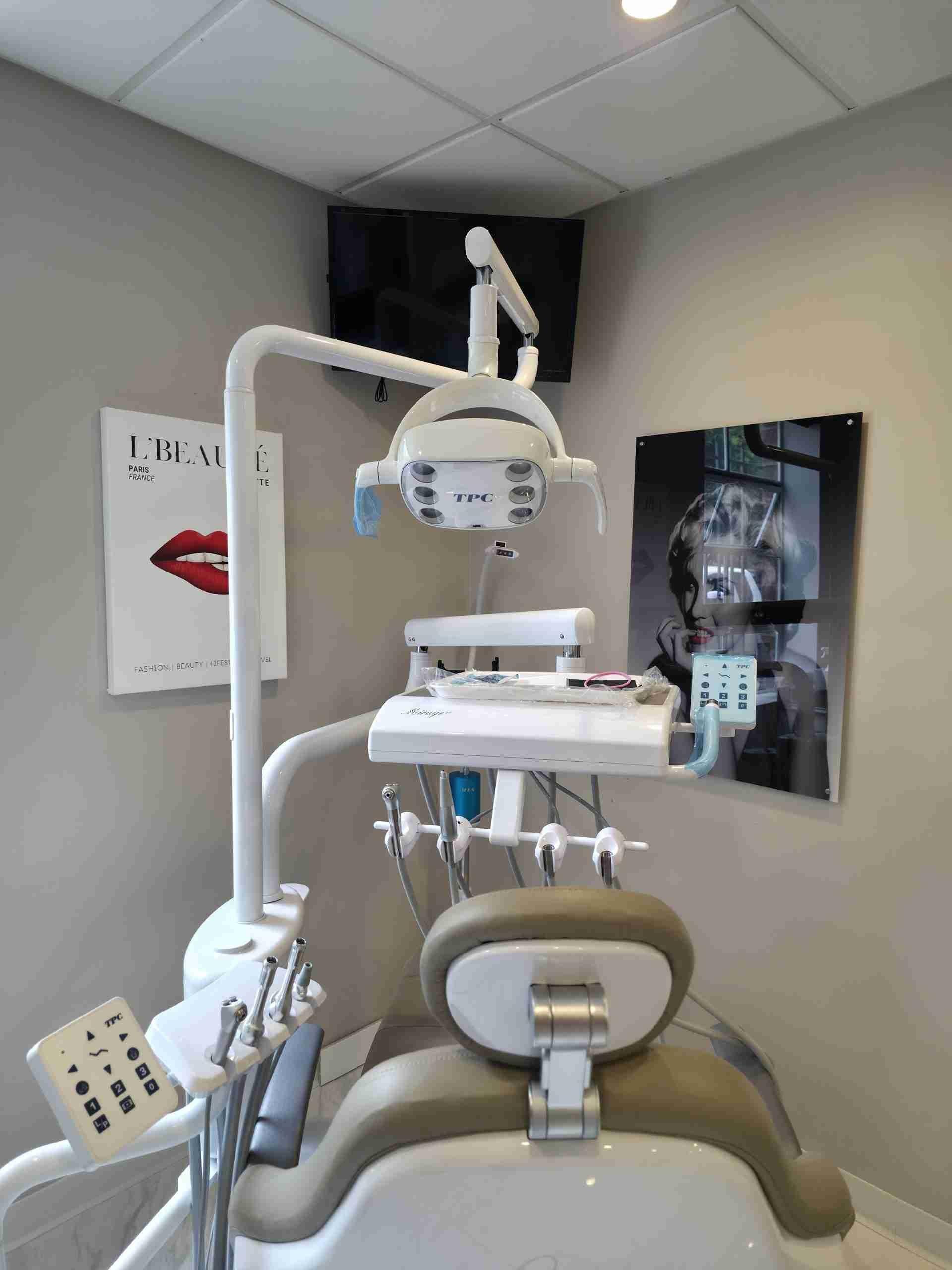
REMOVABLE PARTIAL DENTURE:
No surgery, a shorter treatment time of roughly four to eight weeks, and the lowest cost of the options. It replaces several teeth across the arch at once, including gaps that are far apart, which a bridge cannot do. It comes out for cleaning and needs relining as the tissue changes.
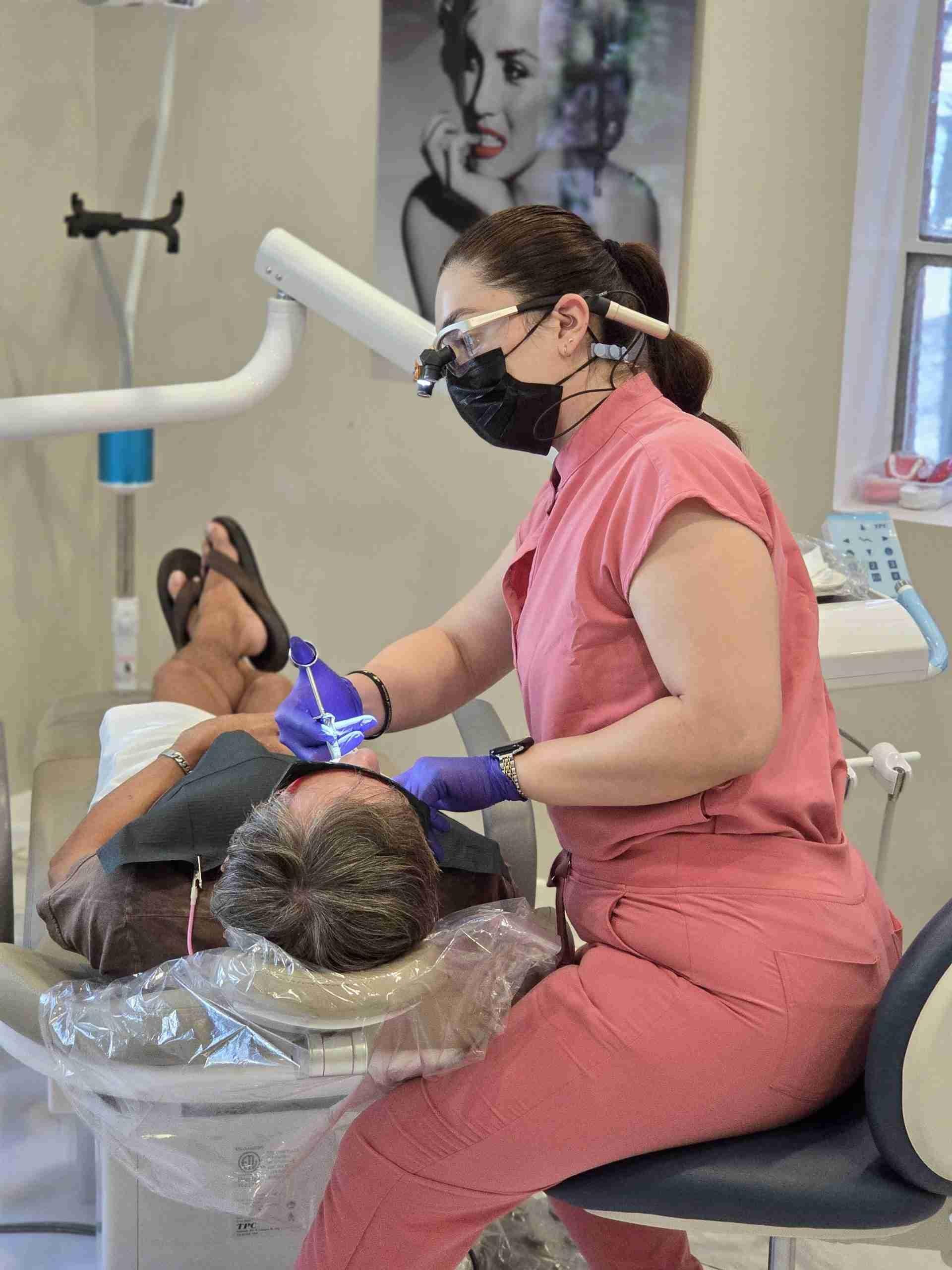
IMPLANTS OR A FIXED BRIDGE:
Fixed in place, so nothing moves while you eat and nothing comes out at night. Implants also help maintain the bone at the site, which a partial does not. Both take longer, and implants involve surgery. Where bone volume, health or budget rule those out, a partial is a sound choice rather than a compromise.
WHY PATIENTS CHOOSE US FOR PARTIAL DENTURES
A partial that is designed badly costs you teeth. The framework design is where the long-term outcome is decided.

Designed to Protect What Remains
The framework spreads chewing force across several supporting teeth and the tissue, rather than loading one or two. That design decision is what keeps your remaining teeth where they are.

Digital Scanning
Scanned rather than impressed where the case allows, so the fit against your tissue and teeth is accurate from the start and fewer adjustments are needed.

Adjustments Included and Expected
Sore spots in the first weeks are normal. Review appointments to refine the fit are part of the treatment, not an added extra you have to chase.

30+ Years of Experience
More than three decades of restorative and prosthetic practice, including complex cases where few natural teeth remain.
Designed to Protect What Remains
The framework spreads chewing force across several supporting teeth and the tissue, rather than loading one or two. That design decision is what keeps your remaining teeth where they are.
Digital Scanning
Scanned rather than impressed where the case allows, so the fit against your tissue and teeth is accurate from the start and fewer adjustments are needed.
Adjustments Included and Expected
Sore spots in the first weeks are normal. Review appointments to refine the fit are part of the treatment, not an added extra you have to chase.
30+ Years of Experience
More than three decades of restorative and prosthetic practice, including complex cases where few natural teeth remain.
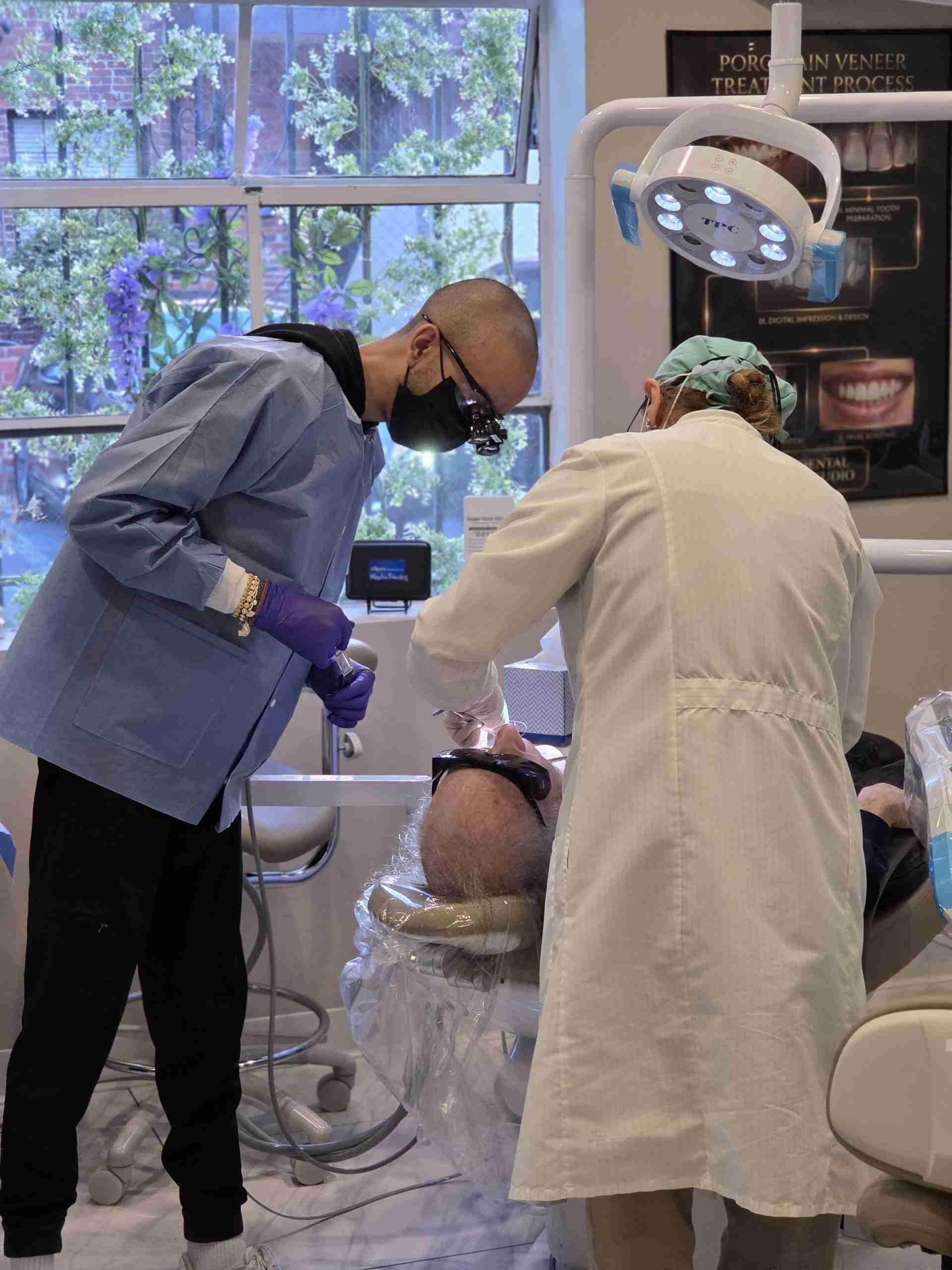
A PARTIAL THAT PROTECTS YOUR REMAINING TEETH
If you are missing several teeth, the goal is not just filling the gaps. It is keeping the teeth you still have. A properly designed partial does both. Book an assessment with Dr. Shir and we will set out the options, including implants and bridges, so you can see what each one involves before deciding.
PARTIAL DENTURE FAQS: YOUR QUESTIONS, ANSWERED
The questions patients ask most often before treatment.
How long does it take to get used to a partial denture?
Most patients adapt over two to three weeks. Early on it will feel bulky, you may produce more saliva, and certain sounds can be affected. Eating takes the longest to adjust to, so start with softer foods cut small and chew on both sides. Sore spots in the first weeks are normal and are adjusted at review appointments.
Will my partial denture be visible?
It depends on the design and where the gaps are. Cast metal partials use clasps that grip the natural teeth, and these can sometimes be seen depending on their position. Flexible partials avoid visible metal, and precision attachment designs conceal the connection entirely by using crowns on the supporting teeth. We will discuss which teeth show when you smile before the design is finalised.
How long do partial dentures last?
The appliance itself commonly serves five to ten years. What changes sooner is the fit, because the bone and gum underneath continue to remodel after teeth are lost. Relining restores the fit without remaking the whole partial and is usually needed every few years. Your remaining teeth also change, and if one is lost the partial can often be modified rather than replaced.
How do I clean a partial denture?
Take it out and clean it over a folded towel or a basin of water, since dropping it on a hard surface is the most common way partials break. Use a denture brush and a non-abrasive cleaner rather than regular toothpaste. Clean your natural teeth thoroughly too, particularly where the clasps sit, because those contact points collect plaque and are where decay tends to start.
Should I wear it at night?
Generally no. Leaving it out overnight lets the tissue underneath recover and reduces the risk of fungal infection. Store it in water or a cleaning solution so it does not dry out and distort. Where there is a specific reason to wear it overnight, we will tell you.
Can a partial denture be converted or upgraded later?
Often yes. A partial can be modified to add a tooth if you lose another one, and it can serve as an interim solution while you decide about implants or plan treatment in stages. Discuss your longer-term intentions at the consultation, because they influence how the partial is designed now.
Are partial dentures covered by insurance?
They are usually treated as restorative rather than cosmetic, so most plans contribute, though the level varies and some apply waiting periods or replacement intervals. You receive a written figure before treatment begins, and financing is available to spread the cost across monthly payments.