

Periodontic Dentistry in Beverly Hills
Gum Care and Periodontal Treatment
Treatment for gum disease, recession and the tissue that supports your teeth. Gum health is the foundation everything else in dentistry sits on, and it is assessed at every visit here.
What Is Periodontic Dentistry?
Periodontics deals with the gums and the bone that hold your teeth in place. That includes preventing, diagnosing and treating gum disease, from early gingivitis through to advanced periodontitis where bone has already been lost. It also covers reshaping gum tissue where recession has exposed root surfaces or where the gum line makes a smile look uneven. Gum disease is the leading cause of tooth loss in adults, and it progresses for years without pain, which is why it is so often found late. Treated early it is manageable. Left alone it costs teeth.
Signs and Symptoms of Periodontal Disease
Gum disease rarely hurts until it is advanced. These are the signs that show up first, and the treatments that address them.

Red, Swollen, or Tender Gums
Inflammation is usually the first visible sign. Healthy gums are firm and pale pink. Gums that look red or puffy, or feel tender when you brush, indicate the tissue is reacting to bacteria at the gum line. At this stage the condition is generally reversible.
Bleeding Gums
Bleeding when brushing or cleaning between the teeth is not normal, and it is not a sign you are brushing too hard. It is the most common early indicator of gum inflammation, and it is the one most often ignored because it does not hurt.
Persistent Bad Breath
Bacteria collecting in periodontal pockets below the gum line produce odour that brushing and mouthwash do not resolve. Breath that returns quickly after cleaning your teeth is worth having assessed rather than masking.
Changes in Bite
Teeth that suddenly meet differently, or a partial denture that no longer seats the way it did, can indicate the supporting bone has changed. This is a later sign and warrants prompt assessment.
Receding Gums
Gums pulling back from the teeth make them look longer and expose root surfaces, which are softer than enamel and more prone to decay and sensitivity. Recession can result from gum disease, from brushing too aggressively, or from grinding.
Loose or Shifting Teeth
When the bone supporting a tooth has been destroyed, the tooth begins to move. This is advanced disease, and at this point the aim shifts to stabilising what remains rather than reversing what has been lost.
Pain or Discomfort
Gum disease is usually painless until late, which is why discomfort is a sign to act on rather than monitor. Tenderness when chewing, or a specific area that aches, suggests infection has progressed below the gum line.
Gum Disease Treatment
Treatment begins with deep cleaning below the gum line to remove the deposits driving the inflammation, supported by laser therapy and ozone where appropriate. Surgical treatment is reserved for cases that do not respond to that.
Maintenance Therapy
Periodontal disease is managed rather than cured. Once treated, more frequent maintenance visits, usually every three to four months, keep the bacterial load down and catch any return early. This is the stage that determines whether treatment holds.
Our Expert Periodontal Services
Treatment ranges from non-surgical deep cleaning through to reshaping the gum line, and the approach starts with the least invasive option that addresses the problem.
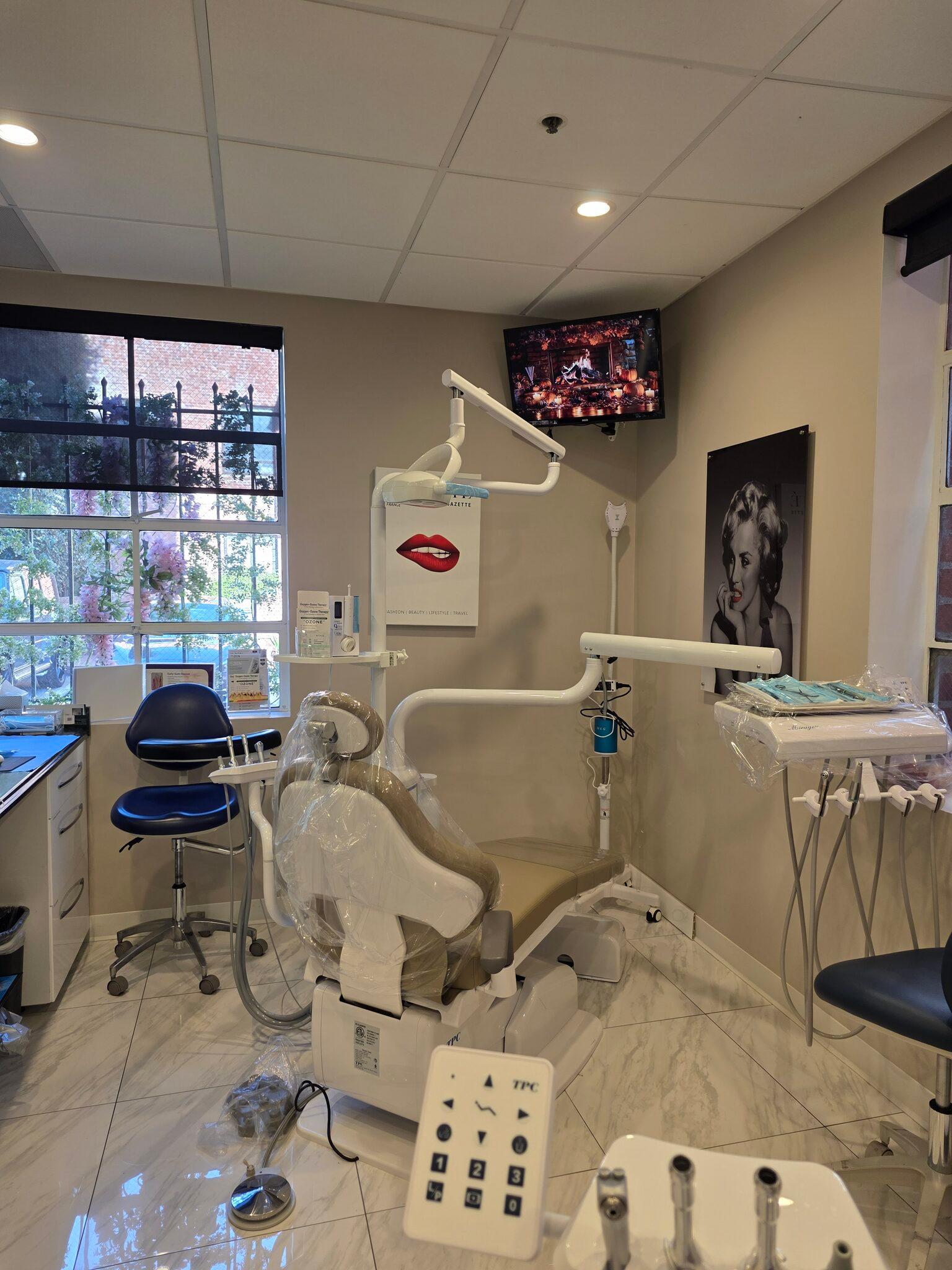
GUM DISEASE TREATMENT
Deep cleaning below the gum line, known as scaling and root planing, removes the hardened deposits that inflammation feeds on. A soft tissue laser is used to treat the pocket lining and ozone as an adjunct to reduce bacterial levels. Most cases respond to this without surgery, and success depends heavily on the maintenance visits that follow.
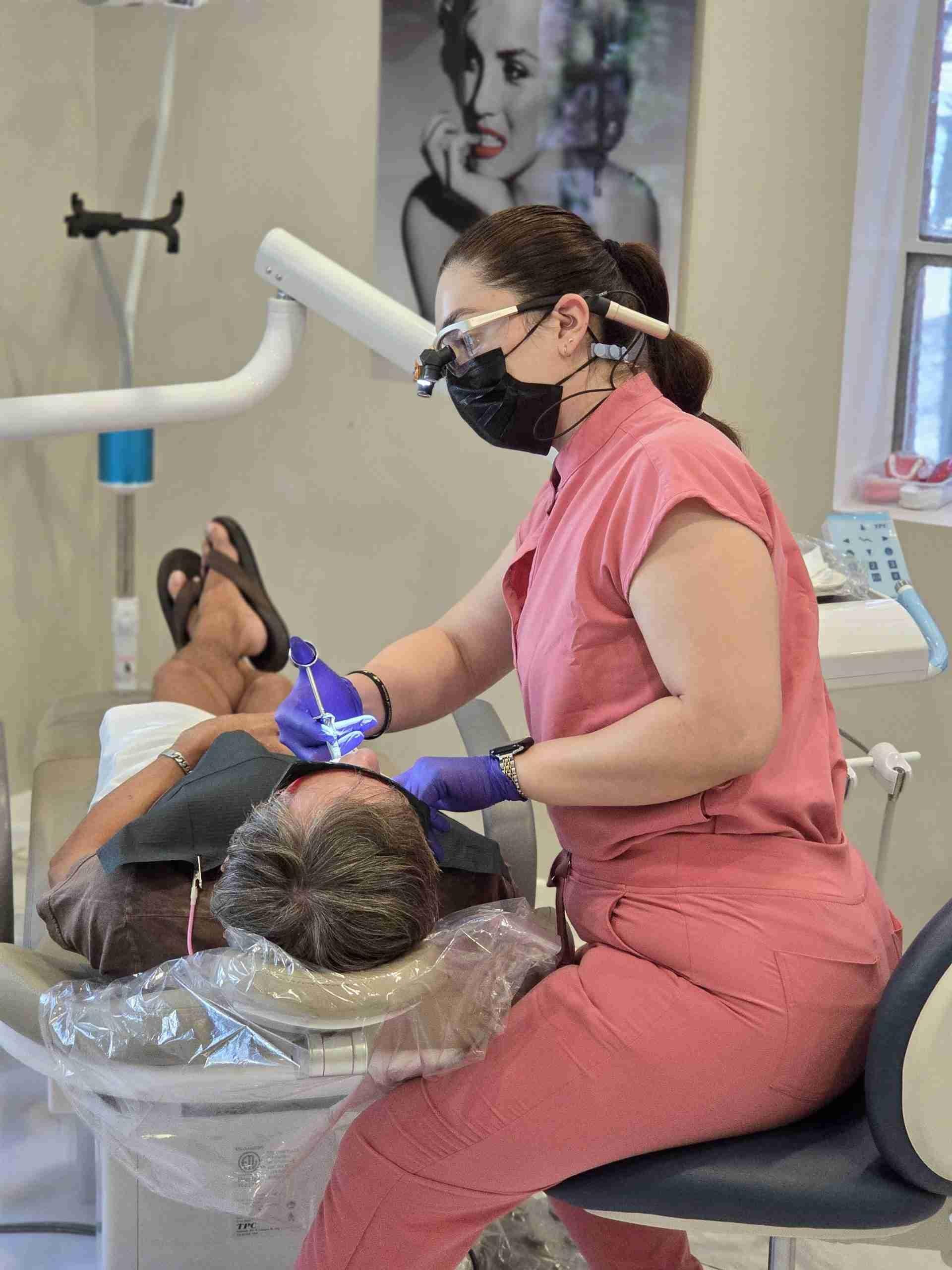
COSMETIC GUM PROCEDURES
Crown lengthening, gum contouring and gum grafting reshape the gum line where recession has exposed roots or where an uneven gum makes teeth look mismatched. Carried out with a soft tissue laser where appropriate, which usually means less bleeding and a more comfortable recovery than a scalpel.
WHY PATIENTS CHOOSE US FOR PERIODONTAL CARE
Gum disease is managed over years rather than fixed in one appointment. What matters is catching it early and staying on top of it.

30+ Years of Experience
More than three decades of restorative practice, with gum health assessed at every routine visit rather than only when something is wrong.

Advanced Technology
A soft tissue laser, ozone therapy and digital imaging in this office. Laser treatment is used as an alternative to surgery for many patients, and it generally means a more comfortable recovery.

Patient Comfort & Care
Thorough anaesthesia for deep cleaning, unhurried appointments, and sedation available. Deep cleaning has a reputation it does not deserve when it is done properly.

Personalized Treatment Plans
A written plan covering what is recommended, why, and what it costs, including the maintenance interval afterwards. That interval is part of the treatment, not an upsell.
30+ Years of Experience
More than three decades of restorative practice, with gum health assessed at every routine visit rather than only when something is wrong.
Advanced Technology
A soft tissue laser, ozone therapy and digital imaging in this office. Laser treatment is used as an alternative to surgery for many patients, and it generally means a more comfortable recovery.
Patient Comfort & Care
Thorough anaesthesia for deep cleaning, unhurried appointments, and sedation available. Deep cleaning has a reputation it does not deserve when it is done properly.
Personalized Treatment Plans
A written plan covering what is recommended, why, and what it costs, including the maintenance interval afterwards. That interval is part of the treatment, not an upsell.
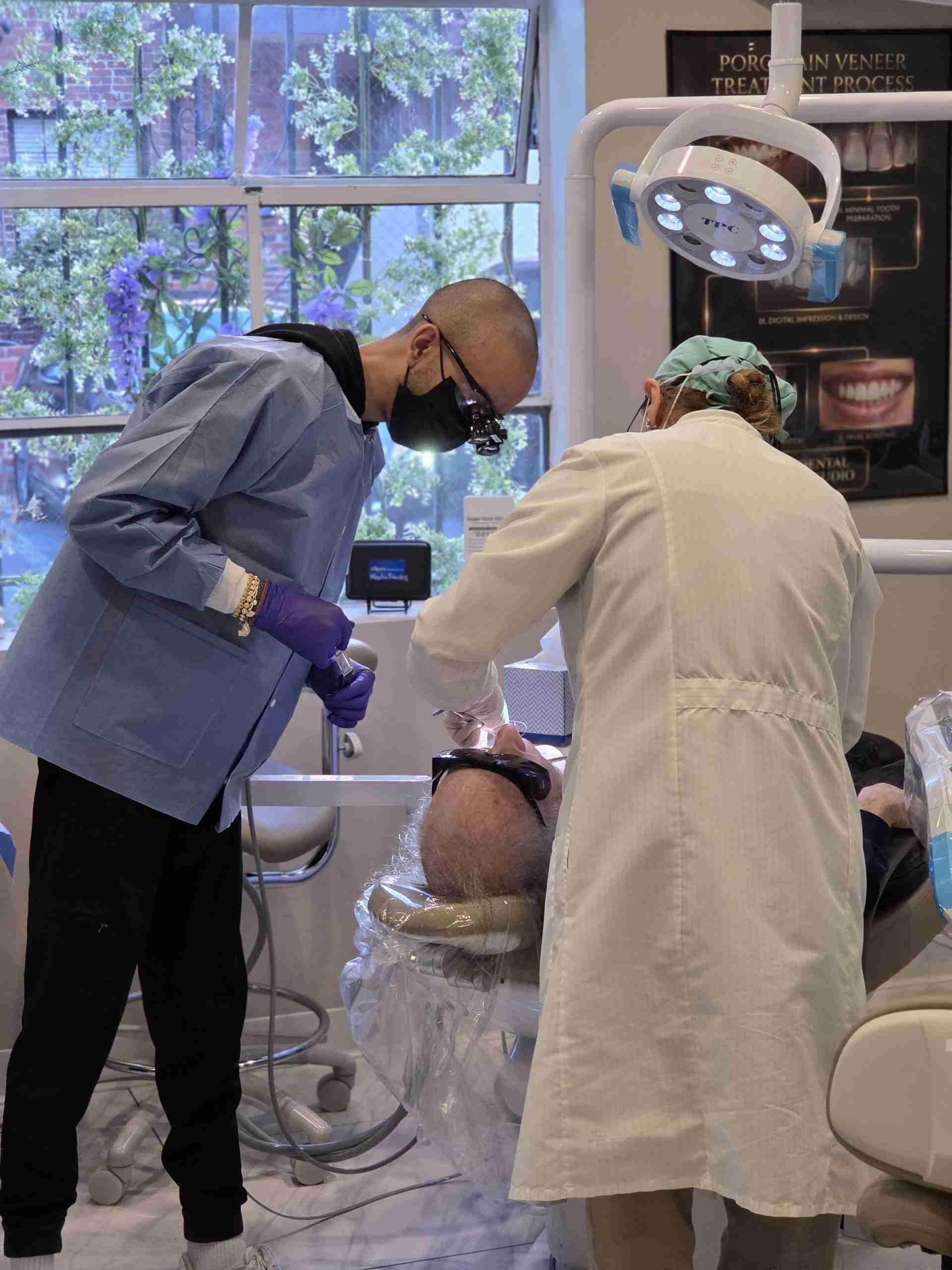
WHY GUM TREATMENT MATTERS BEYOND YOUR MOUTH
Effective periodontal treatment stops the destruction of the bone holding your teeth in place, which is what preserves them. Research has also identified associations between periodontal disease and conditions including heart disease, diabetes and respiratory illness, though the nature of those links is still being studied. What is established is that gum disease is the leading cause of tooth loss in adults, and that treating it early is far simpler than treating it late.
Frequently Asked Questions About Periodontic Dentistry
The questions patients ask most often about gum treatment.
What are the warning signs of periodontal disease?
Red, swollen or tender gums, bleeding when you brush or clean between your teeth, persistent bad breath, receding gums, and in later stages loose teeth or a bite that feels different. Bleeding is the sign most often dismissed and the one worth acting on earliest. Gum disease is usually painless until it is advanced, so waiting for discomfort means waiting too long.
Is periodontal treatment painful?
Deep cleaning is carried out under local anaesthetic, so the appointment itself is comfortable, and sedation is available for anyone anxious. Gums are often tender for a few days afterwards and teeth can be temperature-sensitive for a week or two as the tissue tightens. Over-the-counter pain relief manages this for most patients.
Can gum disease be reversed?
Gingivitis, the earliest stage, is generally reversible with thorough cleaning and good daily care. Once the disease has progressed to periodontitis and bone has been lost, that bone does not grow back on its own. Treatment at that stage stops the process and stabilises what remains, which is why the maintenance visits afterwards matter as much as the initial treatment.
Is periodontal treatment covered by insurance?
It is usually treated as necessary rather than elective, so most plans contribute to deep cleaning and maintenance, though frequency limits often apply and cosmetic gum procedures are generally excluded. You receive a written figure before treatment begins, and financing is available.