

Dental Bridges in Beverly Hills
Dental Bridges
Replace one or more missing teeth with a fixed bridge, custom made and shaded to your own teeth. A non-surgical option, completed in a few weeks rather than a few months.
Closing the Gap Without Surgery
A bridge replaces one or more missing teeth by anchoring the replacement to the teeth on either side, or to implants. Those anchor teeth are prepared for crowns, which is the trade-off worth understanding before you choose: enamel removed for a bridge does not grow back. Where the neighbouring teeth already need crowning, that cost has effectively been paid and a bridge often makes very good sense. Where they are sound and untouched, an implant leaves them alone entirely. Dr. Shir will set out both options against your specific situation rather than default to one.
Types of Dental Bridges & Their Benefits
Four types of bridge and what each one suits, followed by what a bridge does for you beyond filling the gap.

Traditional Dental Bridges
The most common type, used where there are healthy teeth on both sides of the gap. Crowns are placed on both neighbours and the replacement tooth is fixed between them. Made from all-ceramic material here, so there is no metal margin to show as the gum recedes over the years.
Cantilever Dental Bridges
Anchored to a tooth on one side of the gap only, used where there is no suitable tooth on the other side. Because all the chewing force is carried by a single anchor, this design is used selectively and generally not in areas taking heavy load.
Maryland Bonded Bridges
A replacement tooth held by thin wings bonded to the backs of the neighbouring teeth. Far more conservative than a traditional bridge, since almost no enamel is removed. Best suited to front teeth, where the chewing forces are lighter.
Implant-Supported Bridges
Where several teeth in a row are missing, implants can carry the bridge instead of natural teeth. Nothing is prepared, no neighbouring teeth are involved, and the implants help maintain the bone at the site. It takes longer and involves surgery, and for many patients it is the more durable answer.
Restores Your Smile
A gap is filled with a replacement shaded and shaped to your own teeth. The bridge is made from a digital scan taken here, so the fit at the margin is accurate and the shape follows your existing teeth rather than a stock form.
Improves Chewing and Speaking
Missing teeth shift chewing onto the other side and can affect certain sounds in speech. A fixed bridge distributes the load properly again, and most patients stop thinking about it within a few weeks.
Prevents Teeth Shifting
Teeth either side of a gap gradually tip into it, and the opposing tooth drifts down out of its socket. That movement changes the bite and makes later treatment more complicated. Filling the space stops it.
Supports Facial Structure
Bridges maintain the position and support of the teeth around them. They do not maintain the bone where the root used to be, since nothing replaces the root itself, and that is one of the genuine differences between a bridge and an implant.
A Durable, Long-Lasting Solution
Bridges commonly serve ten to fifteen years and often longer. What ends most of them is decay at the margin where the crown meets the anchor tooth, which is why cleaning underneath the bridge daily matters more than anything else you do for it.
Ideal Candidates for Dental Bridges
Bridges suit patients with one or more missing teeth who want a fixed replacement without surgery. Which type depends on the teeth either side of the gap.
Traditional Bridge:
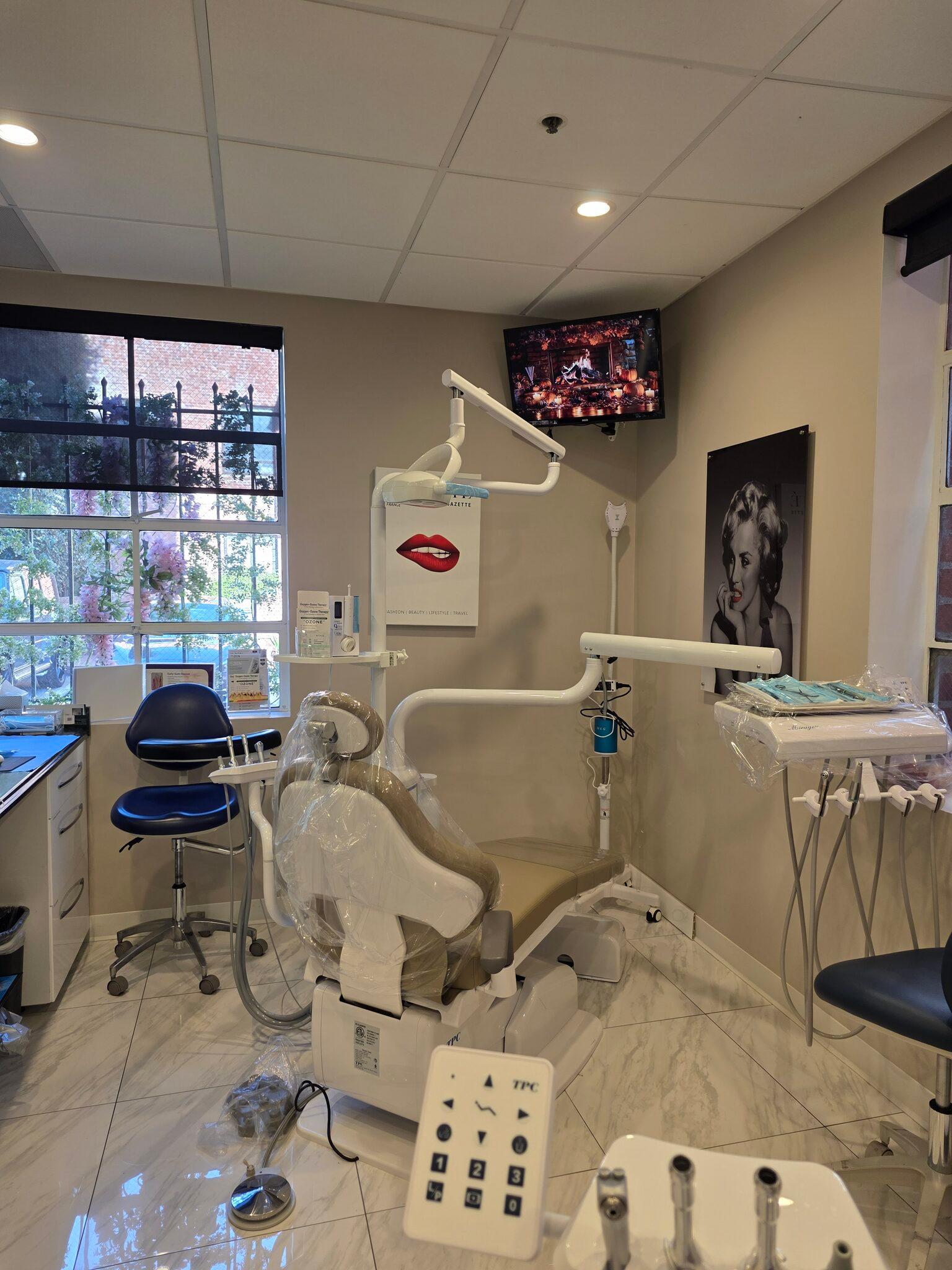
Suited to patients with healthy teeth on both sides of the gap, particularly where those teeth already need crowning. The anchors are prepared and the replacement fixed between them, with the whole thing completed in a few weeks and no surgery involved.
Implant-Supported Bridge:
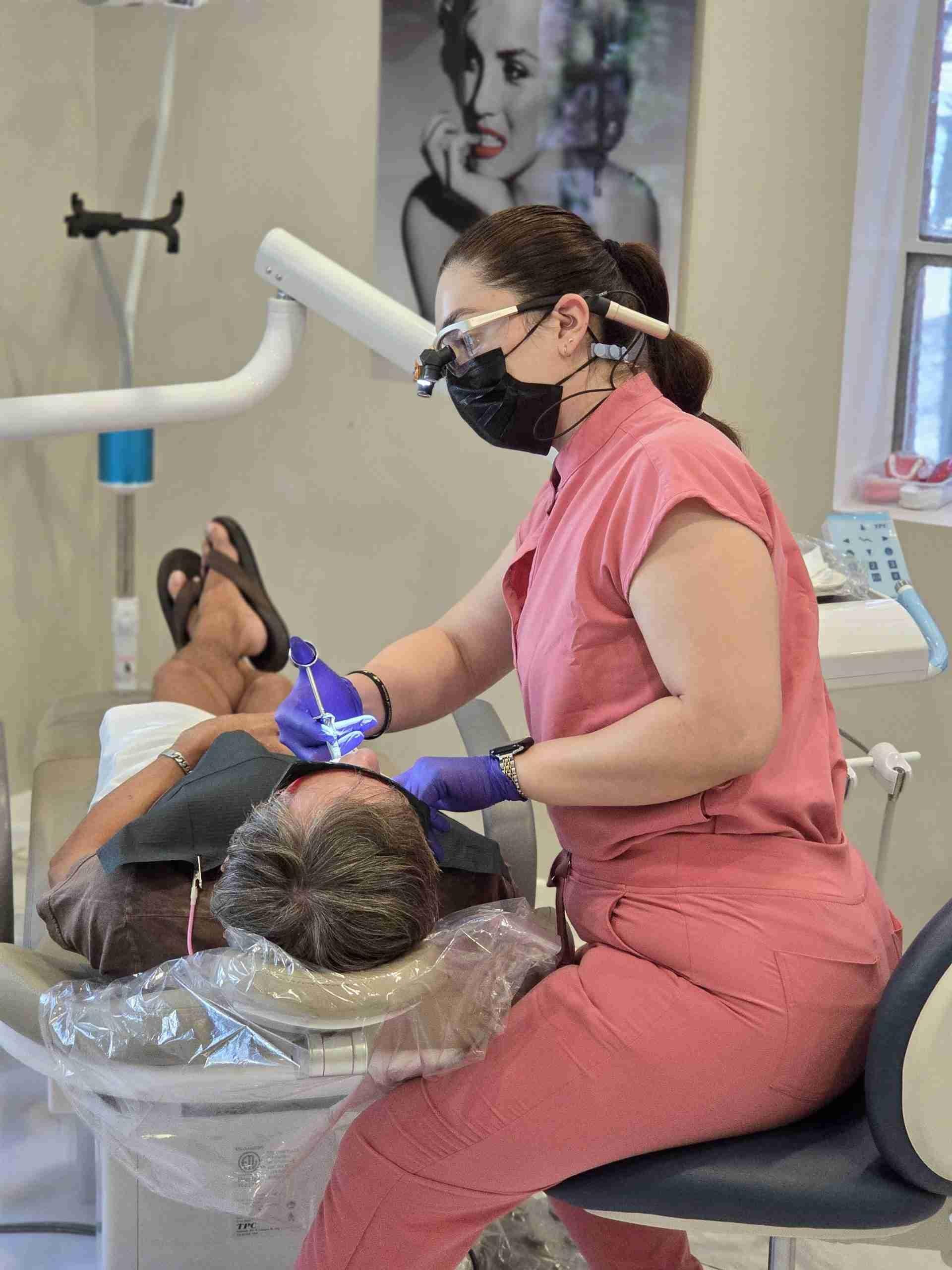
Suited to larger gaps and to patients whose neighbouring teeth are sound and worth leaving alone. Implants carry the bridge instead of natural teeth, and they help maintain the bone at the site. Longer treatment time, and generally the more durable option where the bone allows it.
Why Patients Choose Us for Dental Bridges
A bridge succeeds or fails at the margins, where the crowns meet the anchor teeth. Fit and finish are what decide how long it lasts.

Expertise You Can Count On
More than thirty years of restorative practice. Bridges are planned around the long-term health of the anchor teeth, not just around filling the gap.

State-of-the-Art Technology
Digital scanning rather than impression trays, so the bridge is made from an accurate record of your teeth. Cone beam imaging where implant support is being considered.

Personalized Care
Both options presented with their trade-offs, including the enamel a traditional bridge requires. If an implant is the better answer for your situation, we will tell you that.

Metal-Free Materials
All-ceramic bridges, so there is no dark metal margin appearing at the gum line as the tissue recedes over the years.
Expertise You Can Count On
More than thirty years of restorative practice. Bridges are planned around the long-term health of the anchor teeth, not just around filling the gap.
State-of-the-Art Technology
Digital scanning rather than impression trays, so the bridge is made from an accurate record of your teeth. Cone beam imaging where implant support is being considered.
Personalized Care
Both options presented with their trade-offs, including the enamel a traditional bridge requires. If an implant is the better answer for your situation, we will tell you that.
Metal-Free Materials
All-ceramic bridges, so there is no dark metal margin appearing at the gum line as the tissue recedes over the years.
Ready to Close the Gap?
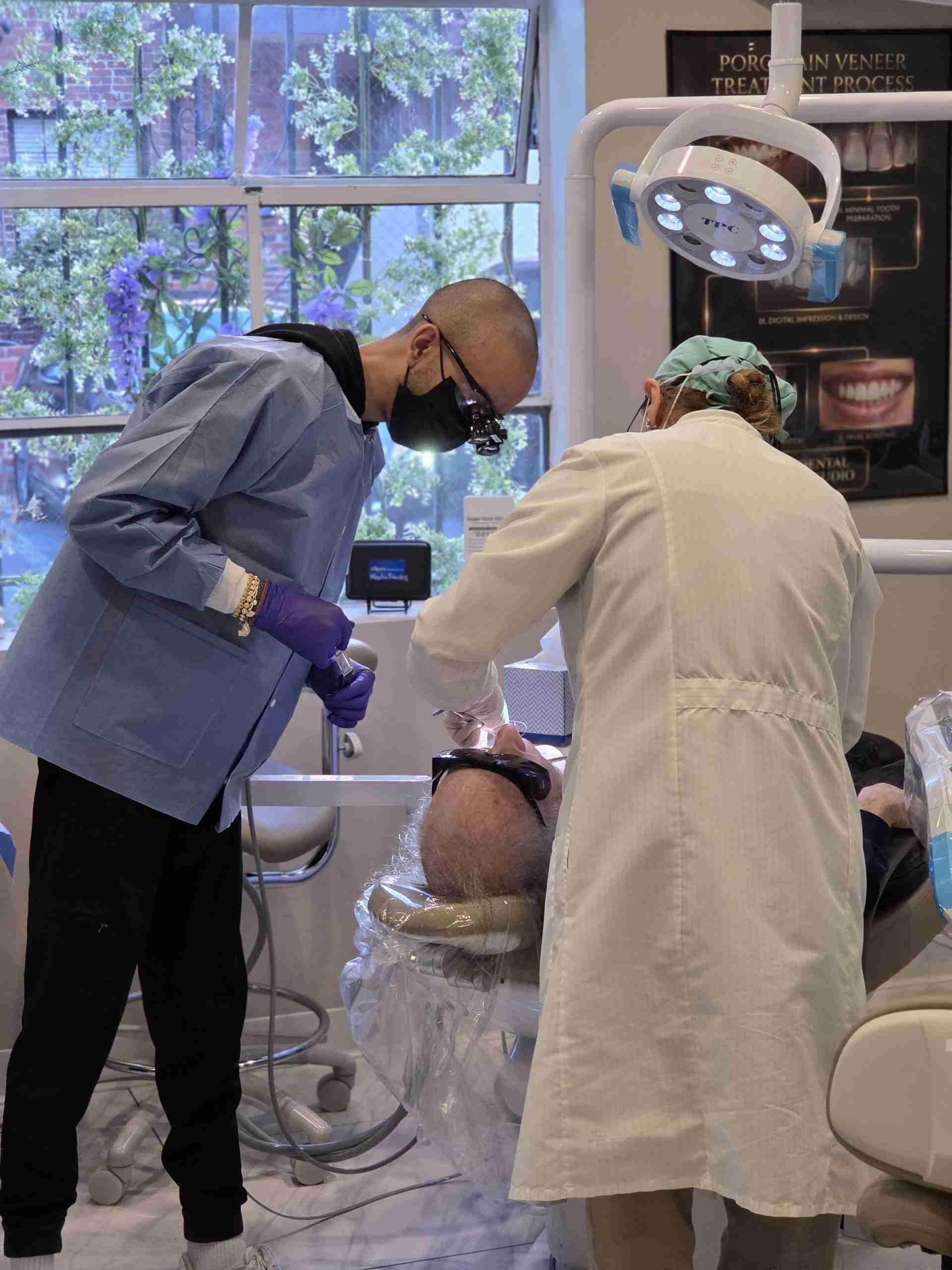
A missing tooth is not just a cosmetic problem. The teeth either side tip into the space and the bite changes over time. An examination will tell you whether a bridge or an implant suits your situation better, and you will leave with a written plan covering both. Book a consultation with Dr. Shir.
Frequently Asked Questions About Dental Bridges
The questions patients ask most often before treatment.
How long do dental bridges last?
Commonly ten to fifteen years, and often longer with good care. What ends most bridges is decay at the margin where a crown meets the anchor tooth, so cleaning underneath the bridge every day with floss threaders or interdental brushes matters more than anything else. We check the margins at every routine visit.
Is getting a dental bridge painful?
The anchor teeth are thoroughly anaesthetised while they are prepared, so the appointment is comfortable for most patients, and sedation is available. Some sensitivity while wearing the temporary bridge is common and settles once the final one is fitted.
What types of dental bridges do you offer?
Traditional bridges anchored to crowns on both sides, cantilever bridges anchored on one side, Maryland bonded bridges held by thin wings on the backs of the neighbouring teeth, and implant-supported bridges. Which suits you depends on the size of the gap, the condition of the teeth either side, and how much of your own tooth structure you want to preserve.
Are dental bridges covered by insurance?
Bridges are usually treated as restorative rather than cosmetic, so most plans contribute, though the level varies and some apply waiting periods. You receive a written figure before treatment begins, and financing is available to spread the cost across monthly payments.