

Night Guards in Beverly Hills
Preventive Dentistry
A precision-fitted guard that absorbs the force of nightly grinding, protects your teeth from wear, and relieves the morning jaw ache that comes with it.
Protecting Your Teeth From Something You Sleep Through
A night guard is a thin custom appliance worn over your upper or lower teeth while you sleep. It separates the arches so the teeth cannot grind against one another and absorbs the clenching force your jaw muscles generate overnight. What makes grinding so damaging is that it happens while you are unconscious of it. Awake, protective reflexes stop you biting down too hard. Asleep, those reflexes are suppressed and the forces generated can be several times what you could produce voluntarily. Across hours, night after night, that force flattens enamel, cracks fillings and splits cusps off molars.
SIGNS OF GRINDING AND WHAT A GUARD PROTECTS
Grinding is diagnosed from evidence rather than memory, since you are asleep for all of it. These are the signals we look for.

Waking With a Sore, Tight Jaw
Jaw muscles that ache in the morning and loosen through the day are muscles that have been working all night. The same pattern shows up as headaches at the temples on waking, because the muscle that clenches your jaw sits exactly there.
Flattened, Shortened or Chipped Teeth
Healthy back teeth have distinct peaks and valleys for chewing. Surfaces worn flat and shiny, or front teeth with a straight level edge, are mechanical wear from tooth against tooth. This is visible to us long before it is visible to you.
Fillings and Crowns That Keep Breaking
Restorations failing repeatedly in the same mouth are rarely a materials problem. They are a force problem. If you have replaced the same filling twice, grinding is the likely cause and needs addressing before more work is placed.
Unexplained Tooth Sensitivity
Grinding wears through enamel and exposes the dentine underneath, which connects to the nerve. Generalised sensitivity across several teeth with no decay to explain it frequently traces back to nightly wear.
Clicking or a Tired Jaw Joint
Sustained clenching loads the jaw joint for hours at a time. Clicking on opening, difficulty opening wide first thing, or a jaw that feels fatigued by mid-morning all point the same way, and a guard is usually the first step.
Prevents Further Enamel Loss
Enamel does not grow back. Every year of unprotected grinding removes structure permanently, and the endpoint is teeth needing crowns simply to restore their original height. A guard stops that progressing.
Protects Existing Dental Work
Crowns, veneers, bridges and implants all cost considerably more than a guard. Grinding force is the most common reason quality work fails early, which is why we recommend a guard alongside any significant restorative or cosmetic treatment.
Relieves Morning Tension and Headaches
By separating the teeth and letting the muscles settle into a less contracted position, a guard reduces overnight muscle activity. Most patients notice a difference in morning tension within the first two weeks.
Digitally Scanned and Bite Adjusted
Your teeth are scanned with our intraoral scanner and the guard made to that exact model, then adjusted in the mouth so your bite meets it evenly across every contact. That adjustment is what makes it comfortable enough to actually wear.
CUSTOM GUARDS AND WHAT YOU BUY AT THE PHARMACY
The difference is not comfort alone. A poorly fitting guard can make grinding worse by encouraging the jaw to hunt for a stable position all night.
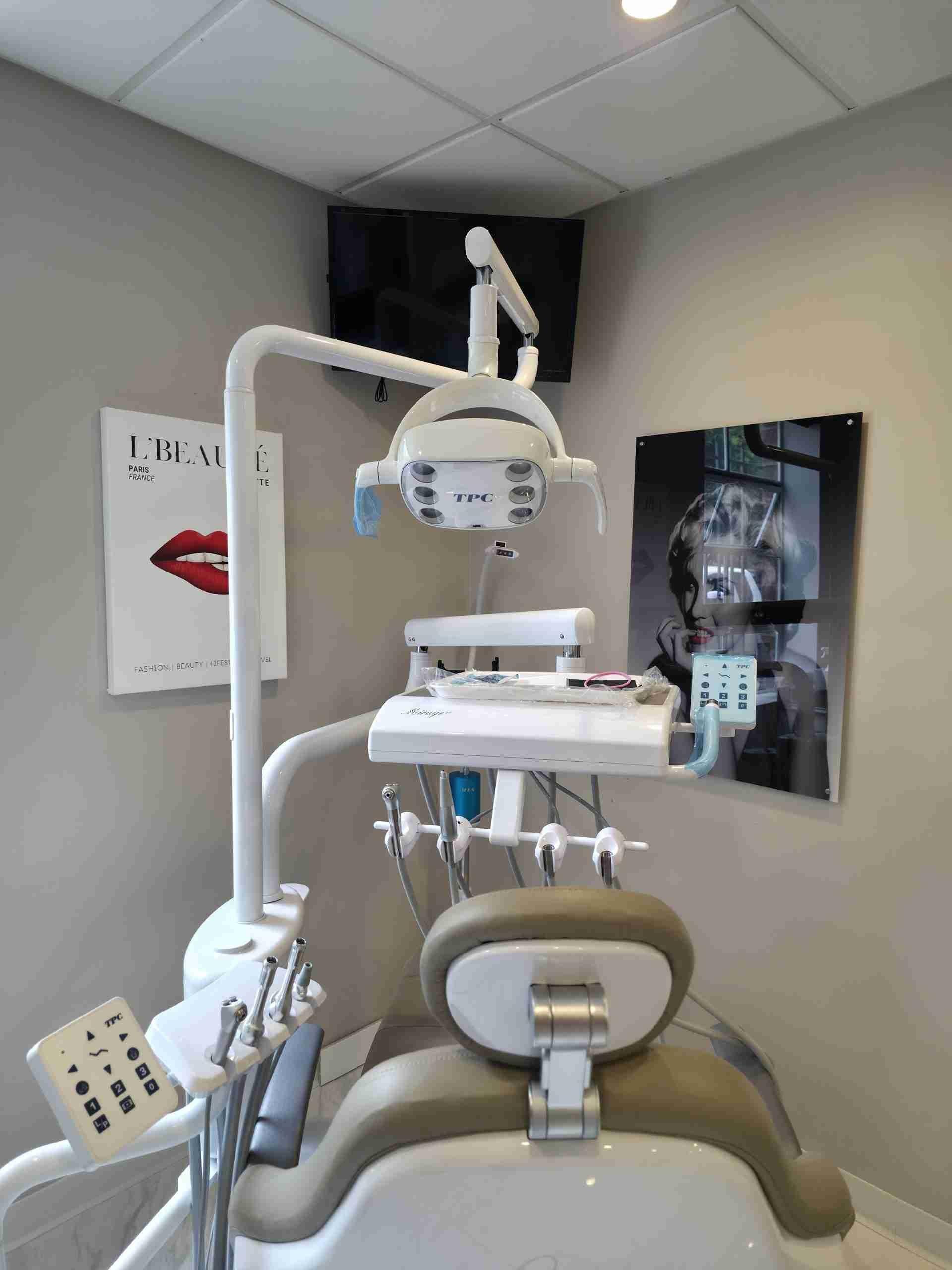
CUSTOM NIGHT GUARD:
Made from a digital scan of your teeth, with the material and thickness chosen for how heavily you grind, from thin for light clenching to rigid for heavy bruxism. The bite is adjusted at delivery so it meets evenly. It stays in place without being bitten onto and typically serves for several years.
BOIL-AND-BITE GUARDS:
Over-the-counter guards are soft and generic. Soft material tends to invite chewing rather than discourage it, which increases muscle activity in some patients. The fit is approximate, so it moves during the night, and an appliance that shifts puts uneven force on individual teeth. Better than nothing in an emergency, and worse than a proper guard in every other respect.
WHY PATIENTS CHOOSE US FOR NIGHT GUARDS
A guard is a small appliance where fit and bite adjustment decide whether it helps or irritates.

Digital Scanning, No Impression Trays
Your guard is made from an exact digital record of your teeth, which means a better fit at delivery and less time in the chair.

Bite Adjusted at Delivery
We refine the contacts so your bite meets the guard evenly across every tooth. This is the step that decides whether you wear it or leave it in a drawer.

The Cause Assessed, Not Just the Symptom
Grinding often connects to jaw joint problems or airway issues, and we evaluate for both rather than simply handing you an appliance.

Designed Around Your Dental Work
For patients with veneers, crowns or implants, the guard is designed specifically to protect that work rather than made to a standard pattern.
Digital Scanning, No Impression Trays
Your guard is made from an exact digital record of your teeth, which means a better fit at delivery and less time in the chair.
Bite Adjusted at Delivery
We refine the contacts so your bite meets the guard evenly across every tooth. This is the step that decides whether you wear it or leave it in a drawer.
The Cause Assessed, Not Just the Symptom
Grinding often connects to jaw joint problems or airway issues, and we evaluate for both rather than simply handing you an appliance.
Designed Around Your Dental Work
For patients with veneers, crowns or implants, the guard is designed specifically to protect that work rather than made to a standard pattern.
STOP THE WEAR BEFORE IT NEEDS CROWNS
Grinding damage builds quietly for years, and the point at which it becomes obvious is usually the point at which it becomes expensive to fix. If you wake with a tight jaw, or a dentist has mentioned wear on your teeth, a guard is a straightforward way to protect what you still have. Book an assessment with Dr. Shir.
FREQUENTLY ASKED QUESTIONS ABOUT NIGHT GUARDS
The questions patients ask most often before committing to wearing one.
How do I know if I grind my teeth at night?
Most people do not, until a partner mentions it or a dentist sees the wear. The signs we look for are flattened chewing surfaces, worn front edges, small stress fractures in the enamel, and restorations that fail repeatedly. Symptoms you might notice yourself include morning jaw tightness, temple headaches on waking and unexplained sensitivity. Dr. Shir will show you the wear on your own teeth so you can see the evidence directly.
Is a custom night guard worth the cost over a store-bought one?
For anything beyond occasional light clenching, yes. Store-bought guards are soft and approximate, so they move during the night and can encourage chewing rather than discourage it. A custom guard fits precisely, stays put, uses material matched to how hard you grind, and has your bite adjusted onto it. It also lasts several years rather than several months, which narrows the cost difference considerably.
Will a night guard stop me grinding?
It does not stop the underlying habit, which is driven by factors including stress, sleep quality, bite alignment and sometimes airway problems. What it does is prevent the damage, by absorbing force and keeping the teeth apart. In many patients, reducing muscle strain also lessens the intensity of the grinding over time. Where an airway issue is driving it, treating that can address the cause, and we assess for it.
How long does a night guard last?
Typically three to five years, though heavy grinders wear through them faster, which is useful information in itself. A guard showing significant wear has absorbed force your teeth would otherwise have taken. We check it at your regular visits and replace it when the protection starts thinning.