

Dental Bonding in Beverly Hills
Cosmetic Dentistry
Chips, small gaps and worn edges repaired in a single visit, usually with little or no enamel removed. The most conservative cosmetic treatment we offer, and often the right one.
What is Dental Bonding?
Dental bonding uses a tooth-coloured composite resin shaped directly onto the tooth to repair chips, cracks, uneven edges and localised discolouration, usually in one appointment. The resin is built up by hand, shaped to match the surrounding teeth, hardened with a curing light, then polished so it reflects light the way enamel does.
What sets bonding apart from veneers is how little it takes away. Most bonding needs minimal or no enamel removal, which means it is reversible in a way veneers are not. It is less durable than porcelain and will need replacing sooner, and that trade-off is worth making in plenty of cases. Where bonding gets you what you want, Dr. Shir will recommend it over anything more invasive.
Benefits of Dental Bonding
What bonding does well, where its limits are, and how to make it last.
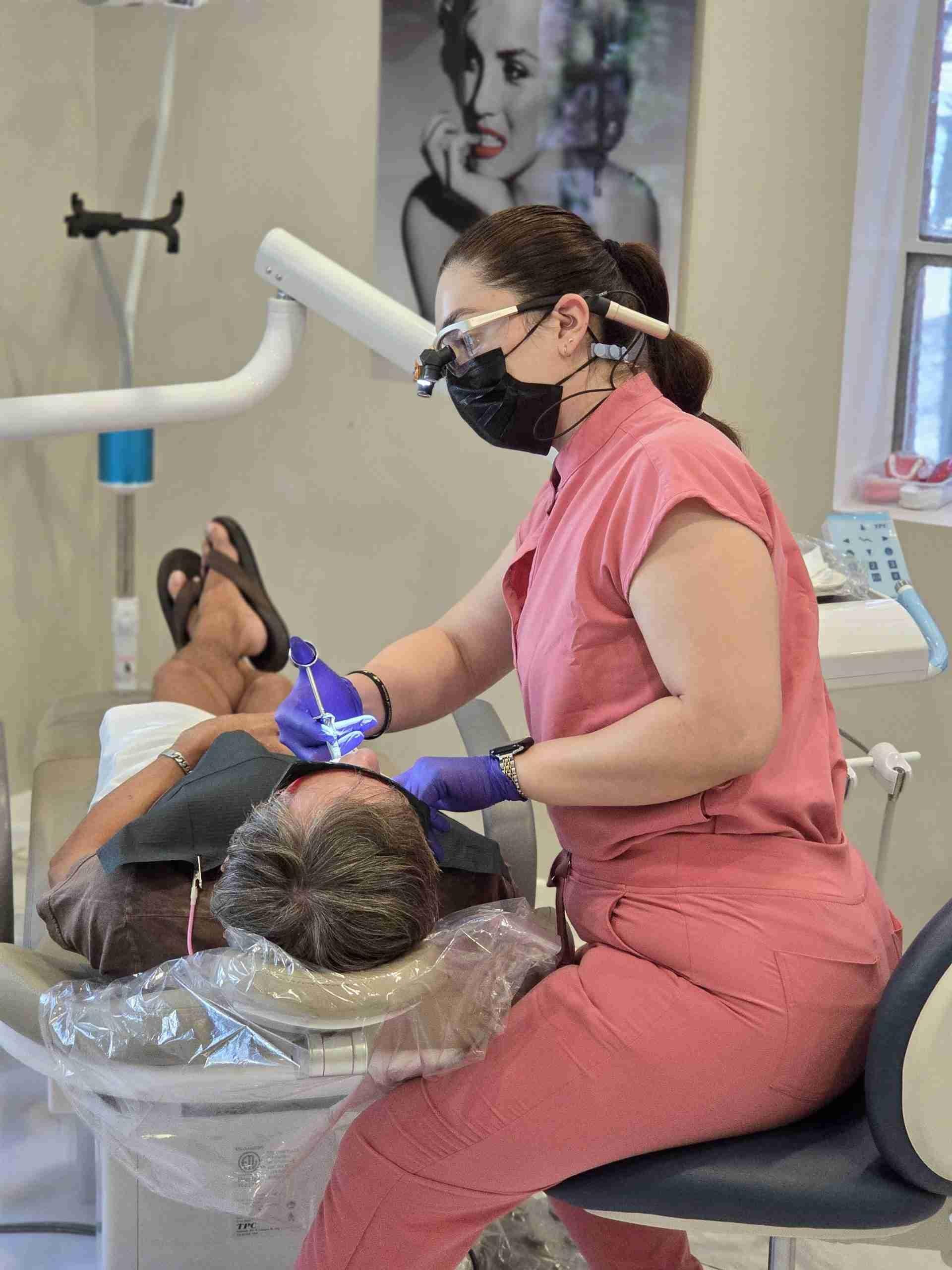
What is Dental Bonding?
A tooth-coloured composite resin applied directly to the tooth, shaped by hand, hardened with a curing light and polished. It repairs chips, cracks, uneven edges and small gaps, usually in a single visit and with little or no enamel removed.
Fast One-Visit Smile Enhancement
Most bonding is completed in one appointment, with no laboratory stage and no temporaries. A single chipped front tooth typically takes under an hour, and you leave with the finished result.
Natural-Looking Composite Resin
Modern composites come in a range of shades and translucencies, layered to match how light passes through the tooth rather than sitting on it as a flat block of colour. The result depends heavily on the layering, which is where the skill sits.
Minimally Invasive Treatment
The main advantage over veneers. Most bonding requires minimal or no enamel removal, and anaesthetic is often unnecessary. Because so little tooth is altered, the decision is far easier to revisit later.
Fix Chips, Cracks & Discoloration
Best suited to localised problems: a chipped incisal edge, a small crack, a single discoloured spot. Where discolouration covers the whole tooth or sits deep within it, whitening or veneers are usually the better route.
Close Small Gaps Between Teeth
Composite can be added to the sides of teeth to narrow a small space. There is a limit before the teeth start looking too wide for the face, and where the gap is larger, aligners are generally the better answer.
Shade Matching for Perfect Blending
The shade is selected against your own teeth in natural light before any resin is applied. If whitening is part of your plan, it is done first and the bonding matched to your new shade, since composite does not respond to whitening agents afterwards.
Polished, Durable & Smooth Finish
The final polish is what stops the surface picking up stain and what makes the repair blend rather than catch the eye. It is also why a non-abrasive toothpaste matters afterwards, since abrasive pastes dull the surface over time.
How Long Bonding Lasts
Commonly five to seven years, depending on where it is, how heavily you bite and whether you grind. Composite stains over time in a way porcelain does not, particularly with coffee, tea, red wine and tobacco. It can be polished, repaired or replaced without difficulty.
What to Expect During the Dental Bonding Procedure
A single visit for most cases, with no laboratory stage and usually no anaesthetic. Two stages decide how the result looks.
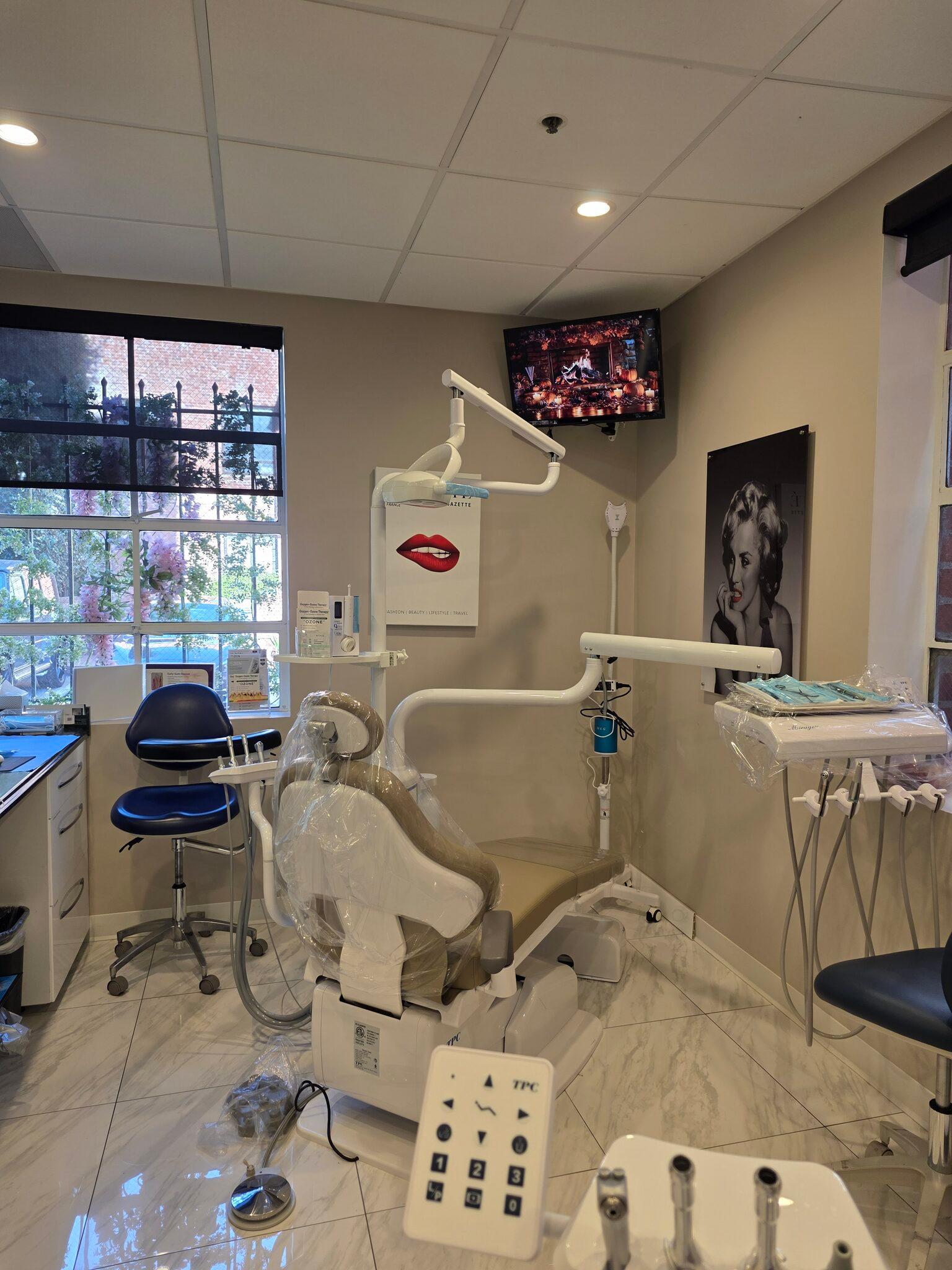
COMPOSITE RESIN SHADE MATCHING
The shade is selected against your own teeth in natural light before anything is applied, and the resin is layered rather than placed as a single block so light passes through it the way it does through enamel. If whitening is part of your plan, it happens first, because composite will not lighten afterwards.
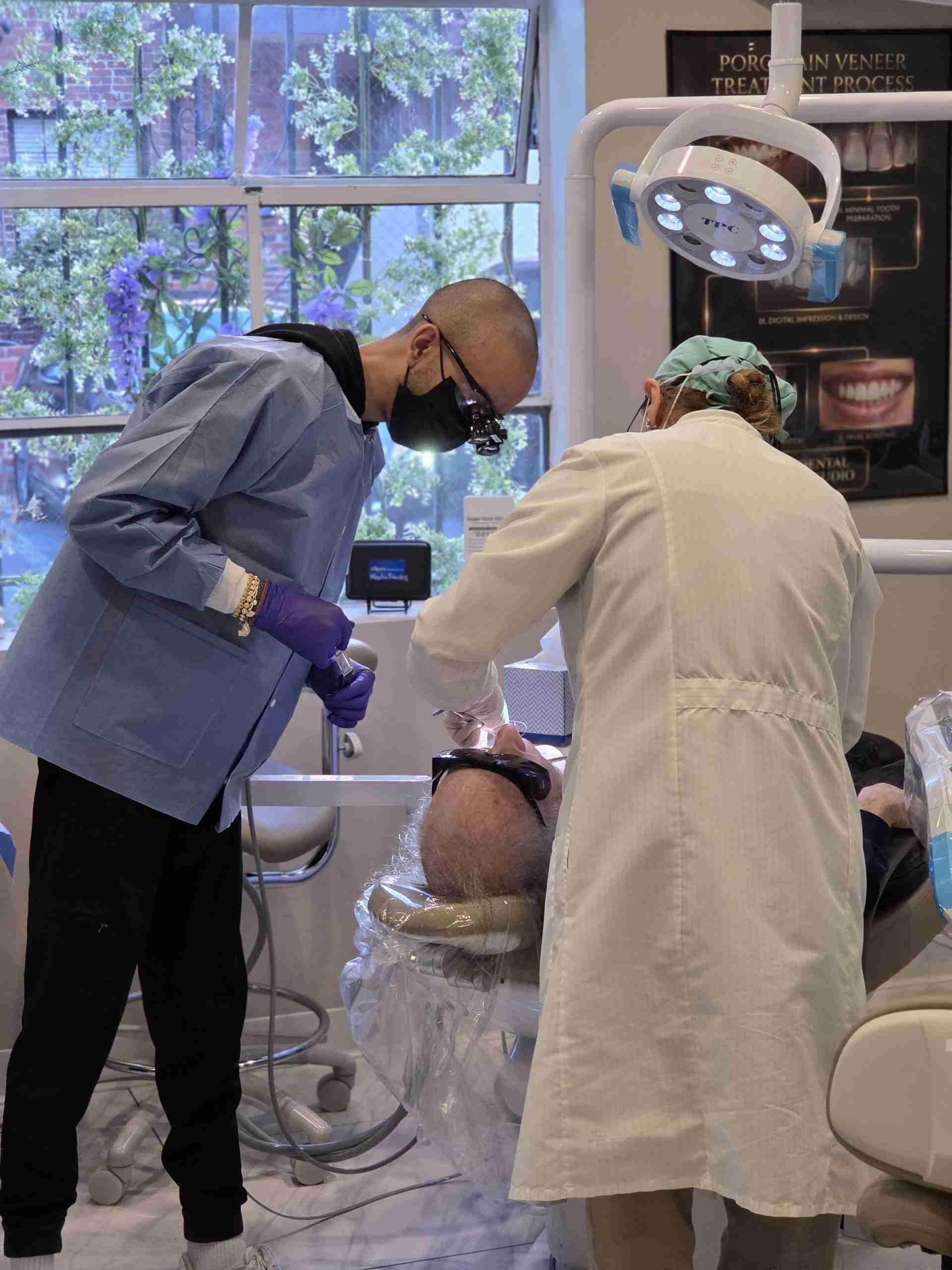
CURING, POLISHING & FINAL ADJUSTMENTS
A curing light hardens the resin, then the surface is shaped and polished to match the texture and sheen of the teeth either side. Your bite is checked and adjusted, since bonded material sitting slightly proud of the bite is what causes it to chip later.
WHY PATIENTS CHOOSE US FOR DENTAL BONDING
Bonding is a hand-built restoration, so the result depends on the person doing it rather than on a laboratory. Dr. Shir will also tell you when bonding is the wrong tool for what you want.

Experience in Cosmetic Dentistry
More than thirty years of restorative and aesthetic practice. Bonding is shaped and layered by hand at the chairside, which makes it one of the treatments where experience shows most clearly.

Personalized Care
Time taken to understand what is bothering you before deciding how to fix it. Sometimes the answer is a single bonded edge, and sometimes the honest answer is that bonding will not hold up in your case.

Quality Materials
Composite resins selected for how they handle light and hold their polish, layered in shades and translucencies matched to your own teeth rather than applied as one flat colour.

Conservative by Default
We remove as little tooth structure as the situation allows. Where bonding achieves what you want, we will not recommend veneers, and where it will not last in your bite, we will say so.
Experience in Cosmetic Dentistry
More than thirty years of restorative and aesthetic practice. Bonding is shaped and layered by hand at the chairside, which makes it one of the treatments where experience shows most clearly.
Personalized Care
Time taken to understand what is bothering you before deciding how to fix it. Sometimes the answer is a single bonded edge, and sometimes the honest answer is that bonding will not hold up in your case.
Quality Materials
Composite resins selected for how they handle light and hold their polish, layered in shades and translucencies matched to your own teeth rather than applied as one flat colour.
Conservative by Default
We remove as little tooth structure as the situation allows. Where bonding achieves what you want, we will not recommend veneers, and where it will not last in your bite, we will say so.
THE MOST CONSERVATIVE COSMETIC OPTION
If a chipped edge, a small gap or a worn front tooth is what bothers you, bonding often solves it in one appointment with almost no tooth removed. It is less durable than porcelain and will need attention sooner, and for many patients that is a fair trade for keeping their own enamel intact. Book a consultation with Dr. Shir and find out whether bonding is enough for what you want to change.
FREQUENTLY ASKED QUESTIONS ABOUT DENTAL BONDING
The questions patients ask most often before treatment.
How long does dental bonding last?
Commonly five to seven years, depending on where it is, how heavily you bite and whether you grind. Composite also picks up stain over time in a way porcelain does not, particularly from coffee, tea, red wine and tobacco. It can be polished, repaired or replaced straightforwardly, which is part of what makes it a low-commitment option.
Is dental bonding better than veneers?
Neither is better, they suit different situations. Bonding is faster, less expensive, and removes almost no tooth, which makes it the right answer for localised chips and small gaps. Veneers last longer, resist staining better, and change colour and shape across the whole tooth, at the cost of a thin layer of enamel that does not grow back. Dr. Shir will tell you which fits your case.
Does dental bonding hurt?
Usually there is nothing to feel, and most bonding needs no anaesthetic at all because so little tooth is altered. Where a chip extends close to the nerve or decay is being removed at the same time, local anaesthetic is used. Some mild sensitivity for a day or two afterwards is possible and settles.
Will bonding stain over time?
Composite is more porous than porcelain, so it picks up stain gradually from coffee, tea, red wine and tobacco. A good final polish slows it considerably, as does using non-abrasive toothpaste. When it does dull, it can often be re-polished rather than replaced.