

Dental Exams and Checkups in Beverly Hills
Preventive Dentistry
A thorough examination rather than a quick look. Teeth, gums, bite, existing restorations and soft tissues all checked, with digital imaging that finds problems while they are still small.
Thorough Dental Exams: What’s Included
A proper examination takes time, and it covers considerably more than looking for cavities. Every tooth and every existing restoration is checked, your gums are assessed with measurements where indicated, your bite and any wear patterns are reviewed, the soft tissues of your mouth and throat are screened, and digital X-rays show what is happening between the teeth and beneath old fillings. You will also get an honest account of anything we are watching but not yet treating, because not everything we find needs acting on immediately.
WHAT A DENTAL EXAM COVERS
Nine things checked at a full examination, and what each one is looking for.
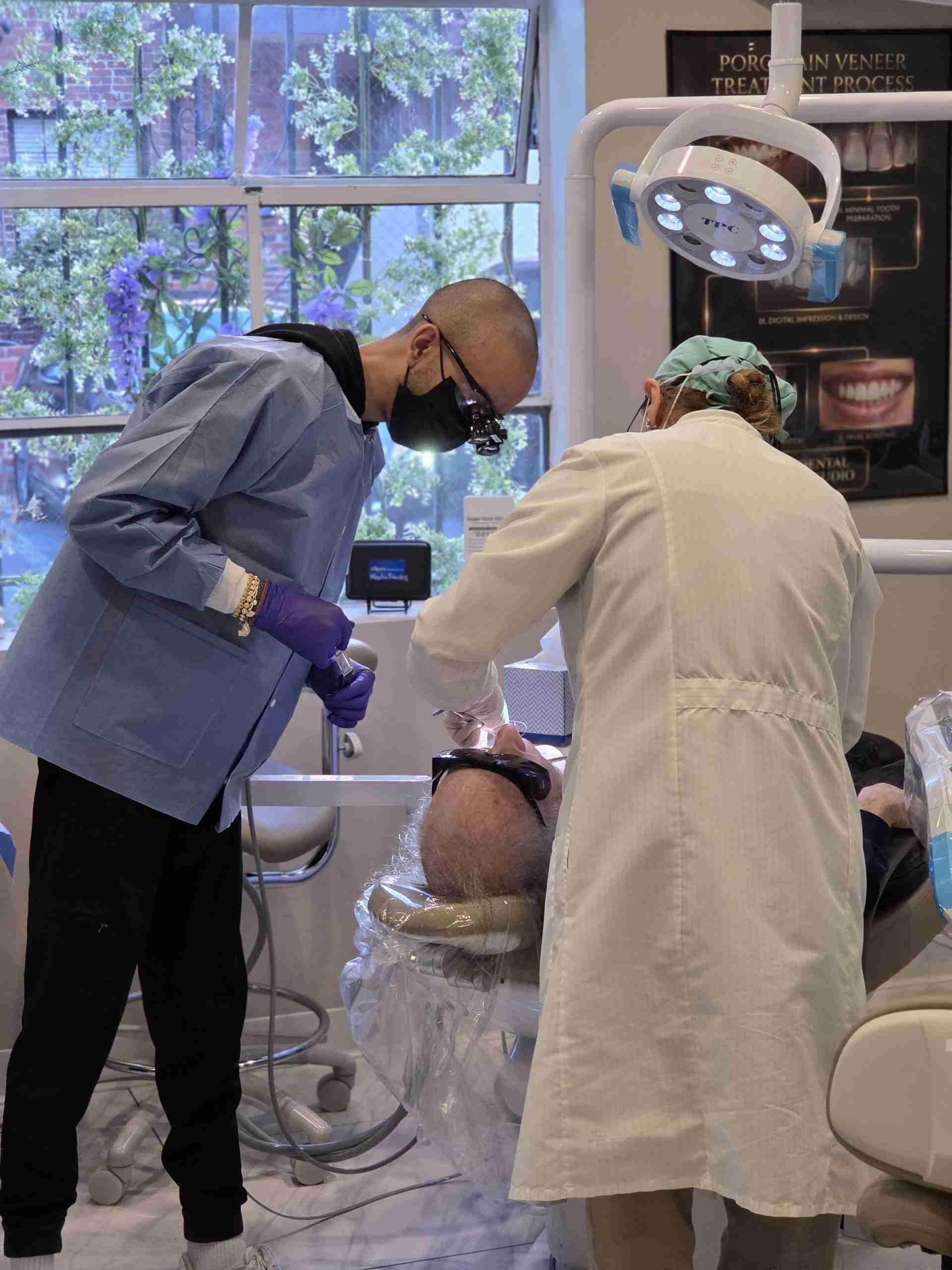
Thorough Check of Teeth and Gums
Every tooth is examined for decay, cracks and wear, and every existing filling, crown and bridge is checked for leakage at the margins. Old restorations fail quietly at the edges, and that is where new decay most often starts.
Digital X-Rays
Decay between teeth and beneath existing restorations is not visible to the eye. Digital X-rays show it at a lower radiation dose than film and appear instantly on screen, where you can see what we are describing rather than take our word for it.
Intraoral Camera Photos
A small camera shows you the inside of your own mouth on a monitor. It is the difference between being told a filling is cracked and seeing the crack yourself, which makes decisions about treatment considerably easier.
Oral Cancer Screening
The soft tissues of the mouth, tongue, throat and neck are checked for anything that has changed. It takes a couple of minutes and forms part of every examination, because oral cancer is often painless in its early stages and the outcome depends heavily on when it is found.
Gum Health Check
Gums are assessed for inflammation, bleeding and recession, with pocket depths measured and recorded where indicated. Gum disease is the leading cause of tooth loss in adults and it progresses for years without pain, which is why it is checked rather than waited for.
Bite and Jaw Evaluation
How your teeth meet, whether there is wear from grinding, and whether your jaw joints move comfortably. Bite problems cause fractured teeth and failed restorations, and they are easy to miss if nobody looks for them.
Catch Problems Early
A cavity caught early is a filling. The same cavity in two years may need an onlay, a crown, or a root canal. Almost everything expensive in dentistry began as something inexpensive that was left too long.
Personalised Recall Intervals
Six months suits most people, but not everyone. Patients with a history of gum disease, a high decay rate or extensive restorative work generally do better at three or four month intervals. We will tell you what yours should be and why.
A Written Plan, Not a Verbal One
Anything we recommend comes to you in writing, with what it is, why it is needed and what it costs. Nothing gets added at the appointment, and there is no pressure to decide on the spot.
WHAT TO EXPECT AT YOUR EXAM
Two things that shape how this appointment goes, particularly if it has been a while.
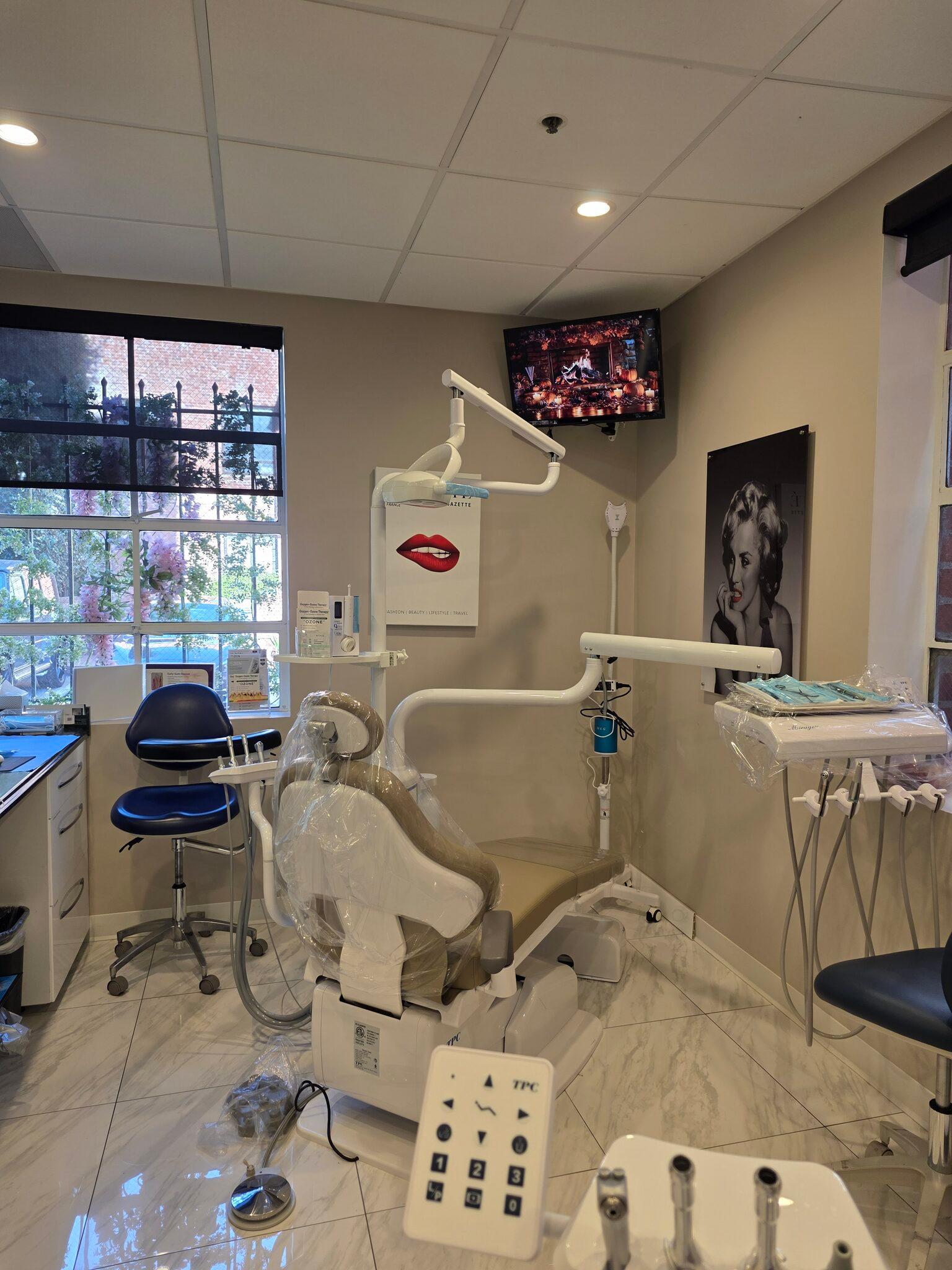
PERSONALIZED FOR EVERY PATIENT
Your history, your risk factors and your existing dental work all shape what gets checked most carefully and how often you should be seen. A patient with several large restorations needs a different level of monitoring from one with an untouched mouth, and the plan reflects that.
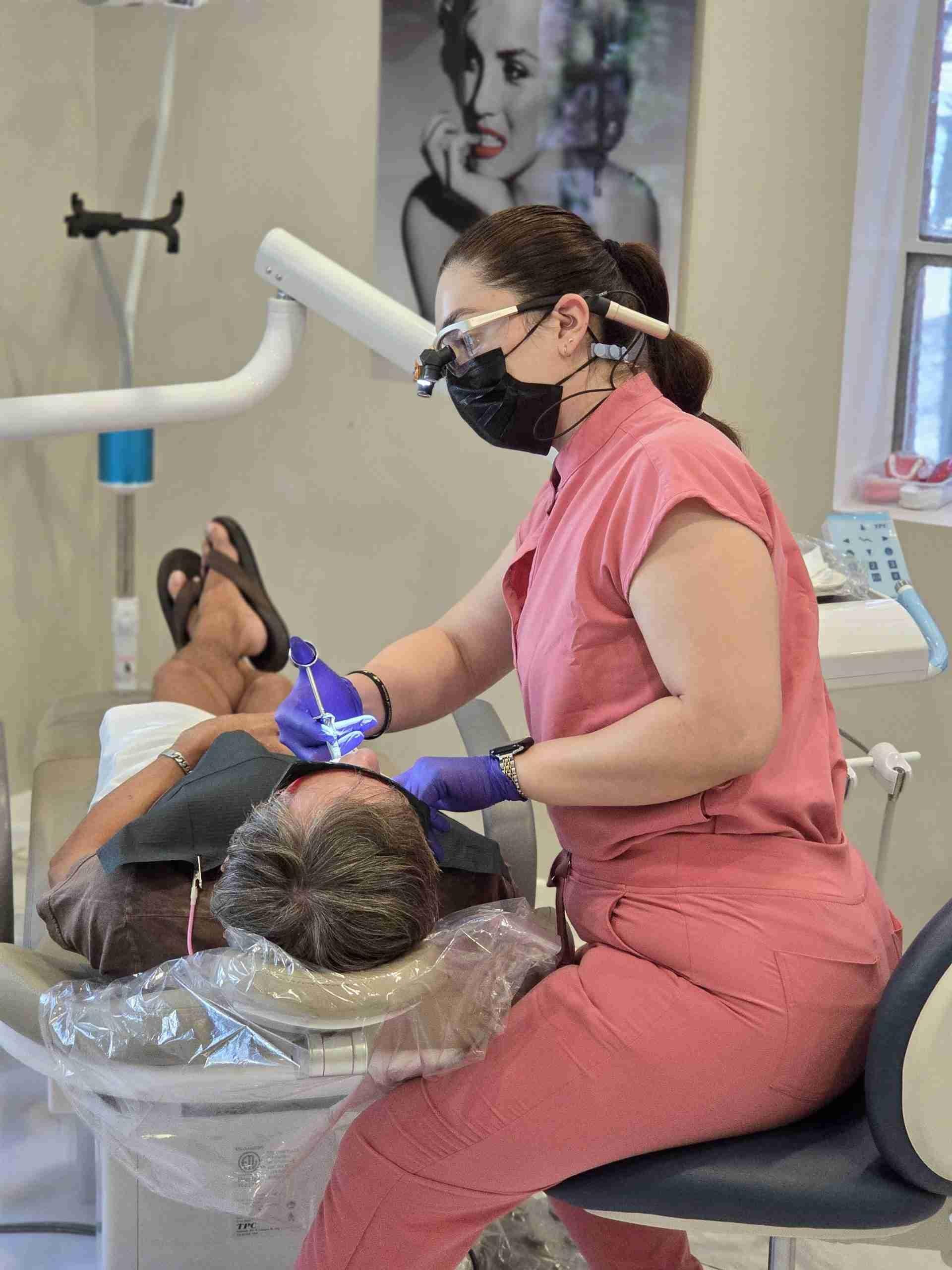
NO LECTURES, NO PRESSURE
If it has been years since your last visit, that is a common situation and it is not something you will be told off about. We tell you what we find, explain what needs doing now and what can wait, and give it to you in writing. What happens next is your decision.
WHY PATIENTS CHOOSE US FOR CHECKUPS
An examination is where problems are found or missed. What gets checked matters more than how quickly it is done.

30+ Years of Experience
More than three decades of practice. Dr. Shir examines restorations, bite and soft tissues at every visit, not just the teeth themselves.

Advanced Diagnostic Technology
Digital X-rays at a lower radiation dose, an intraoral camera, and cone beam imaging where a case calls for it. You see what we see on screen.

Personalized Exam Schedules
Recall intervals set by your actual risk rather than by a fixed schedule applied to everyone. Some patients need three months, others genuinely do well on six.

A Conservative Approach
We recommend treatment when it is needed and monitoring when it is not. Early lesions are recorded and watched rather than automatically drilled.
30+ Years of Experience
More than three decades of practice. Dr. Shir examines restorations, bite and soft tissues at every visit, not just the teeth themselves.
Advanced Diagnostic Technology
Digital X-rays at a lower radiation dose, an intraoral camera, and cone beam imaging where a case calls for it. You see what we see on screen.
Personalized Exam Schedules
Recall intervals set by your actual risk rather than by a fixed schedule applied to everyone. Some patients need three months, others genuinely do well on six.
A Conservative Approach
We recommend treatment when it is needed and monitoring when it is not. Early lesions are recorded and watched rather than automatically drilled.
BOOK YOUR DENTAL EXAM
If it has been a while, the useful thing to know is that whatever we find today will be smaller and simpler than what would be found in another year. You get a thorough examination, an honest account of what we see, and a written plan covering anything that needs doing. Book with Dr. Shir.
Frequently Asked Questions About Dental Checkups
The questions patients ask most often about examinations.
How often should I get a dental checkup?
Six months suits most people with healthy mouths, but it is not a universal rule. Patients with a history of gum disease, a high rate of decay, dry mouth or extensive restorative work generally do better at three or four month intervals. Patients with consistently healthy mouths can sometimes go longer. The right interval is set by your risk, and we will tell you what yours is.
What happens during a dental exam?
Every tooth and existing restoration is checked, your gums are assessed with pocket measurements where indicated, your bite and any wear patterns are reviewed, and the soft tissues of your mouth and throat are screened. Digital X-rays are taken at appropriate intervals to show what is happening between teeth and under old fillings. You then get an account of what was found and a written plan for anything that needs doing.
Are dental X-rays safe?
Digital X-rays use a considerably lower radiation dose than the film systems they replaced, and the dose from a routine set is very small. They are taken at intervals matched to your risk rather than automatically at every visit, and a lead apron and thyroid collar are used. If you are pregnant, tell us, and we will discuss whether imaging should wait.
Are dental checkups covered by insurance?
Preventive care is the category most plans cover best, often at or near full coverage for examinations, cleanings and X-rays at set intervals. Where your clinical need is more frequent than your plan allows, we will tell you what the difference costs so you can decide. You receive a written figure before any treatment beyond the examination itself.