

Crown Lengthening in Beverly Hills
Periodontal Dentistry
Reshaping the gum line to expose more of the natural tooth, either to give a restoration something to hold onto or to correct a gummy smile.
Two Reasons a Tooth Needs Lengthening
Crown lengthening removes a small amount of gum tissue, and sometimes a small amount of bone, to expose more of the natural tooth beneath. It is done for two quite different reasons. The functional reason is that a tooth broken or decayed close to the gum line has nothing left above the tissue for a crown to grip, and lengthening exposes enough sound structure for the restoration to seal and hold. The cosmetic reason is that some people have teeth of a normal size covered by excess gum, which makes them look short and produces what is often called a gummy smile. Reshaping the gum line changes the proportions without touching the teeth themselves.
Benefits of Crown Lengthening
What the procedure achieves, and what treatment involves from assessment to healing.
Improved Oral Health
Exposing tooth structure that sits below the gum line makes decay and damage in that area accessible to treat properly. Margins that finish below the tissue are difficult to seal and difficult for you to clean, which is how problems recur at the same spot.
Enhanced Smile Aesthetics
Where excess gum tissue covers teeth of a normal size, reshaping the gum line reveals the proportions that were already there. The teeth are not altered, only the frame around them, which makes this one of the more conservative cosmetic procedures available.
Better Fit for Restorations
A crown or onlay needs a defined margin on sound tooth structure to seal against. Where there is not enough tooth above the gum, the restoration has nothing reliable to finish on, and it will leak and fail. Lengthening creates that margin.
Reduced Risk of Gum Disease
Restoration margins that sit deep below the gum line irritate the tissue and trap plaque where neither you nor a hygienist can reach easily. Positioning the margin where it can be cleaned reduces that ongoing inflammation.
Support for Damaged Teeth
A tooth fractured at or just below the gum line is often assumed to be beyond saving. Where enough root remains, crown lengthening can expose sufficient structure to restore it, which means keeping the tooth rather than replacing it.
Thorough Initial Assessment
The gum, the bone level and the tooth structure below the tissue are all assessed, with imaging where needed. Whether bone needs removing as well as gum, and how much, is determined here rather than during the procedure.
Precision Gum Reshaping
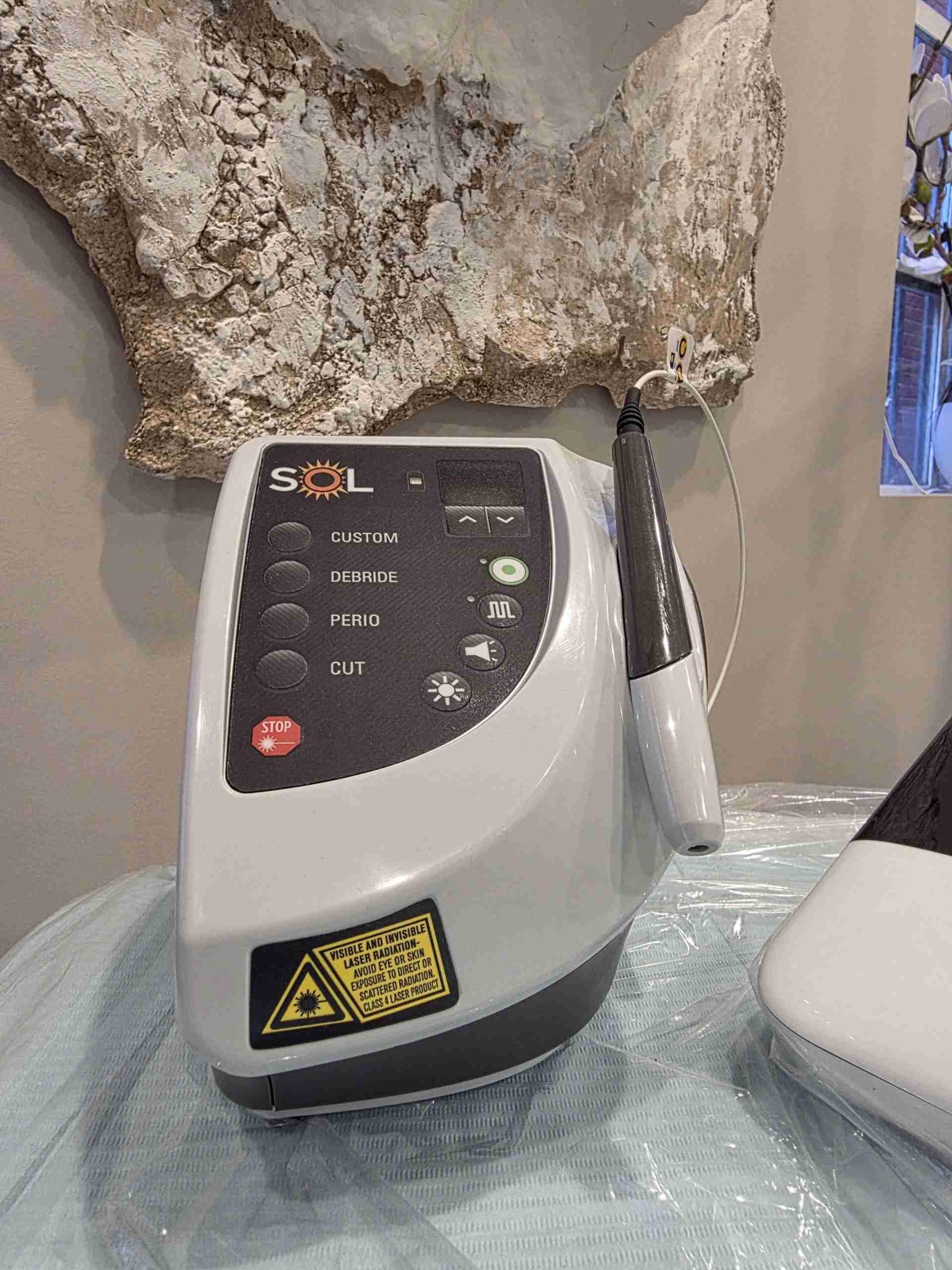
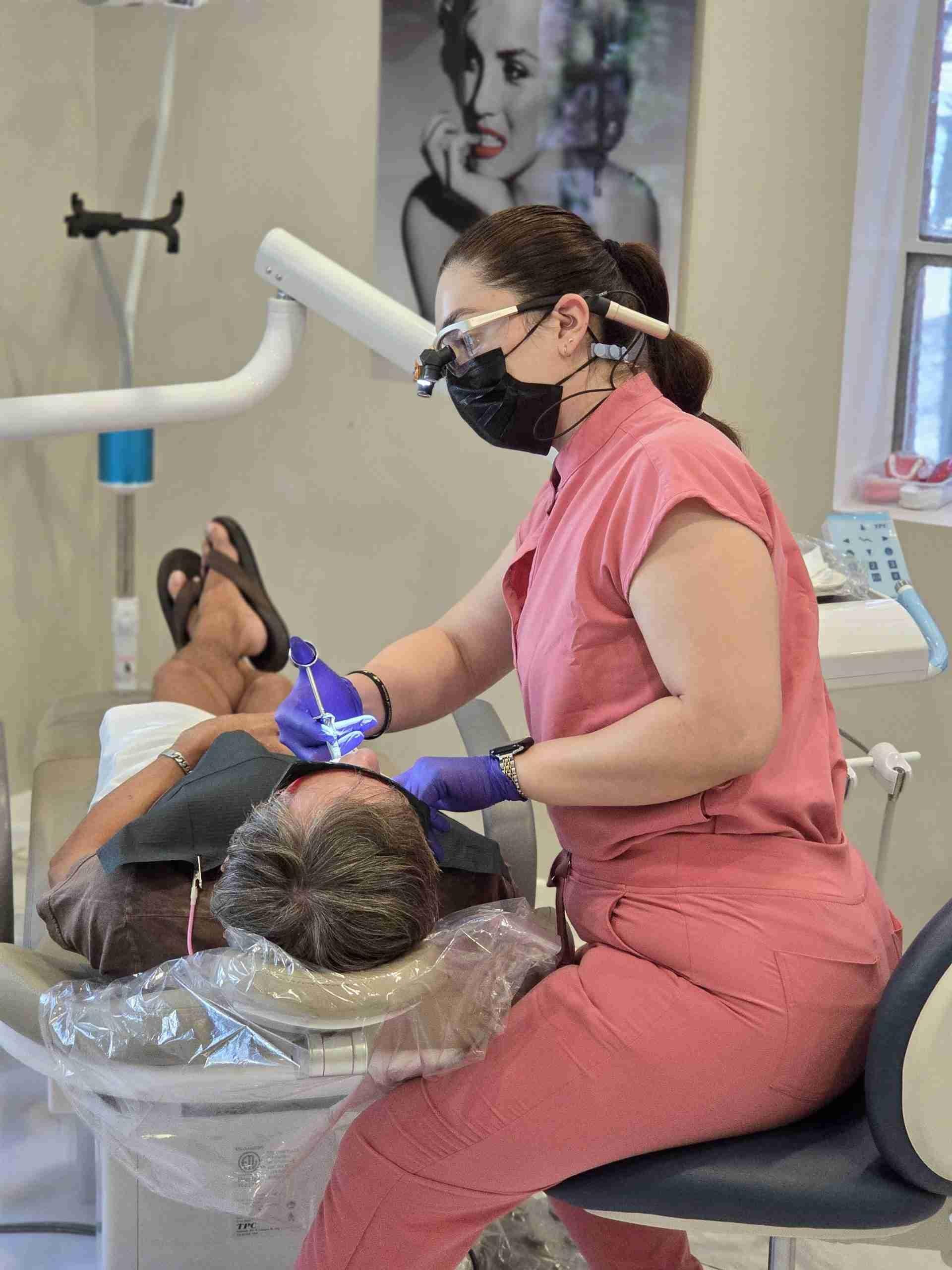
Carried out under local anaesthetic, with a soft tissue laser used where the case allows it. Laser reshaping typically means less bleeding and a more comfortable recovery than a scalpel approach.
Comprehensive Aftercare Support
Written aftercare covering the first days, a soft diet initially, and how to clean the area while it heals. A review appointment checks the tissue is settling as expected before any restorative work begins.
Preparation for Restorations
Where lengthening is done to allow a crown, the tissue needs time to stabilise before the final restoration is made. Rushing that means the margin ends up in the wrong place once the gum settles, so the sequence is deliberate.
Who Can Benefit from Crown Lengthening?
Two groups of patients, with quite different reasons for having the same procedure.
RESTORING THE GUM LINE:
Where excess gum tissue makes teeth of a normal size look short, or where the gum line is uneven from one tooth to the next. Reshaping creates balanced proportions without altering the teeth themselves. Often planned alongside veneers or bonding, and always allowed to settle before those are designed.
IMPROVING GUM HEALTH:
Where a tooth has decayed or fractured close to the gum line and there is not enough sound structure above the tissue for a crown to seal against. Lengthening exposes that structure, which frequently means a tooth can be restored rather than removed.
WHY PATIENTS CHOOSE US FOR CROWN LENGTHENING
Crown lengthening sits between periodontics and restorative dentistry. Having both handled by the same dentist is what keeps the sequence right.

Expertise You Can Trust
More than thirty years of restorative practice. Where lengthening is being done to support a crown, the same dentist plans both, so the margin ends up where the restoration actually needs it.

Personalized Care
Whether your case is functional, cosmetic or both changes how much tissue is removed and where. That is assessed properly rather than applied as a standard amount.

Advanced Technology
A soft tissue laser used where the case allows it, which generally means less bleeding, fewer sutures and a more comfortable recovery than a scalpel approach.

Sequenced Properly
Tissue is allowed to settle before restorations are designed to the new gum line. Skipping that wait is why some cases end up with margins in the wrong position.
Expertise You Can Trust
More than thirty years of restorative practice. Where lengthening is being done to support a crown, the same dentist plans both, so the margin ends up where the restoration actually needs it.
Personalized Care
Whether your case is functional, cosmetic or both changes how much tissue is removed and where. That is assessed properly rather than applied as a standard amount.
Advanced Technology
A soft tissue laser used where the case allows it, which generally means less bleeding, fewer sutures and a more comfortable recovery than a scalpel approach.
Sequenced Properly
Tissue is allowed to settle before restorations are designed to the new gum line. Skipping that wait is why some cases end up with margins in the wrong position.
A HEALTHIER, MORE BALANCED GUM LINE
Whether excess gum tissue is making your teeth look short, or a tooth needs more structure exposed before it can take a crown, the procedure is the same and the recovery is straightforward. Initial healing generally takes around one to two weeks, with written aftercare and a review appointment included. Book a consultation with Dr. Shir to find out what your case involves.
Frequently Asked Questions About Crown Lengthening
The questions patients ask most often before treatment.
What is crown lengthening?
A periodontal procedure that reshapes excess gum tissue, and sometimes a small amount of bone, to expose more of the natural tooth. It is used to create a balanced gum line where teeth look short, to treat decay that extends below the gum, and to provide enough sound tooth structure for a crown or bridge to seal against.
Is crown lengthening painful?
The area is thoroughly anaesthetised, so the procedure itself is comfortable, and sedation is available for anyone anxious. Afterwards, expect tenderness and some swelling for a few days, generally managed with over-the-counter pain relief. Where a laser is used rather than a scalpel, recovery tends to be more comfortable.
How long is recovery after crown lengthening?
Initial healing usually takes around one to two weeks, with a soft diet and careful cleaning of the area during that period. Where the procedure is preparing a tooth for a crown, the tissue needs longer to fully stabilise before the final restoration is made, and the timeline for that is set out in your plan.
Is crown lengthening covered by insurance?
Where it is done to allow a tooth to be restored, it is usually treated as necessary and most plans contribute. Where it is done purely to improve the appearance of the gum line, it is generally classed as cosmetic and not covered. You receive a written figure before treatment begins, and financing is available.