

Wisdom Teeth Extractions in Beverly Hills
Wisdom Teeth Extractions
Removal planned on a 3D scan taken in this office, so nerve position and root anatomy are known before we begin rather than discovered during.
Not Every Wisdom Tooth Needs to Come Out
Wisdom teeth are the last molars to arrive, usually between seventeen and twenty-five, and for many people the jaw has no room left for them. When that happens they come in at an angle, stay partly buried, or press against the tooth in front. Some cause no trouble at all and need nothing more than monitoring. The distinction matters, because removing a healthy, fully erupted wisdom tooth that is causing no problem is unnecessary surgery. Dr. Shir will tell you which yours are, based on what the imaging shows rather than on age alone.
WHEN WISDOM TEETH NEED REMOVING
The situations that call for removal, and what the planning involves.

Impaction Against the Tooth in Front
Where a wisdom tooth is angled forward and pressing against the second molar, it traps food and bacteria at the contact point. Decay on the back surface of that second molar is common, difficult to restore, and entirely preventable by removing the wisdom tooth.
Partially Erupted and Repeatedly Infected
A wisdom tooth that has broken through only partly leaves a flap of gum over it that traps bacteria. The resulting infection, called pericoronitis, causes swelling and pain, tends to recur, and rarely resolves for good on its own.
No Room in the Jaw
Where there is not enough space behind the second molar, the tooth cannot come through in a functional position. It will either stay buried or emerge at an angle, and neither outcome is stable long term.
Decay You Cannot Reach to Clean
Wisdom teeth sit at the very back of the mouth where brushing is difficult even when they are upright. Where one has decayed and access makes a filling unreliable, removal is usually the more sensible answer than restoring a tooth you cannot keep clean.
Cysts or Damage to Surrounding Bone
A wisdom tooth that remains buried can occasionally develop a cyst around it, which expands slowly and damages the surrounding bone and nearby roots. This is uncommon but it is one reason buried teeth are imaged rather than ignored.
Pain, Swelling or a Bad Taste at the Back
Recurring soreness behind the last molar, swelling in the cheek or jaw, or a persistent bad taste from that area all warrant an examination. These are the everyday symptoms patients notice before anything more serious develops.
Why We Scan First
The lower wisdom tooth roots often sit close to the inferior alveolar nerve, and the upper ones close to the sinus. A cone beam CT scan shows exactly how close, in three dimensions, which a flat X-ray cannot. That measurement changes how the tooth is approached.
When Monitoring Is the Right Answer
A wisdom tooth that is fully erupted, in a functional position, clean and causing no symptoms can often be left alone and reviewed. We do not recommend removing teeth simply because they are wisdom teeth.
Ozone and Clean Healing
The socket is treated with ozone after removal as an adjunct to reduce bacteria at the site, supporting clean healing alongside standard aftercare.
SIMPLE AND SURGICAL REMOVAL
Which applies depends on how the tooth has come through and where its roots sit, and that is decided from the scan rather than on the day.
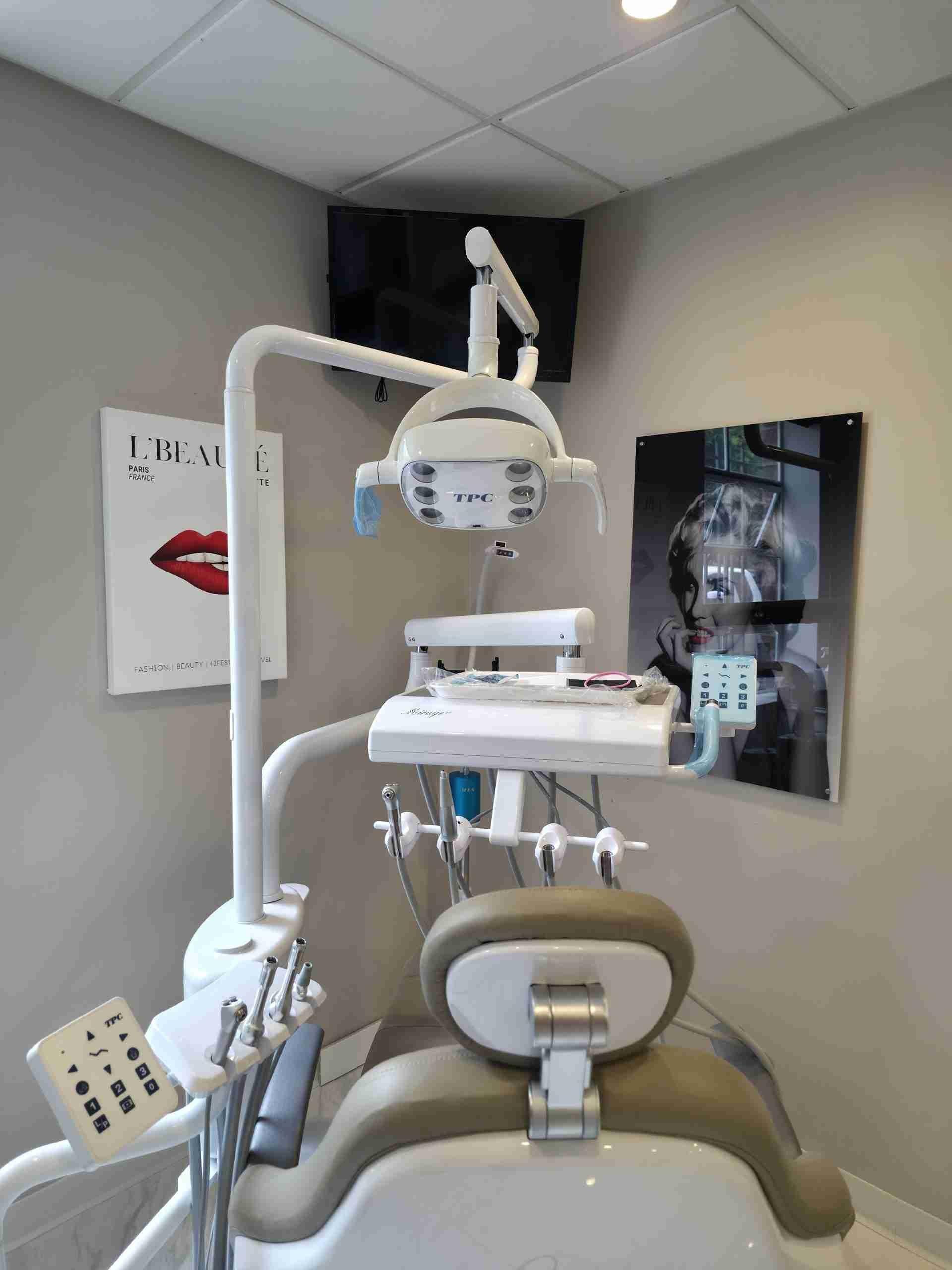
SIMPLE EXTRACTION:
For a wisdom tooth that has erupted fully and is accessible. After thorough anaesthesia the tooth is gently loosened within its socket and removed. A short appointment, and most patients manage afterwards on over-the-counter pain relief.
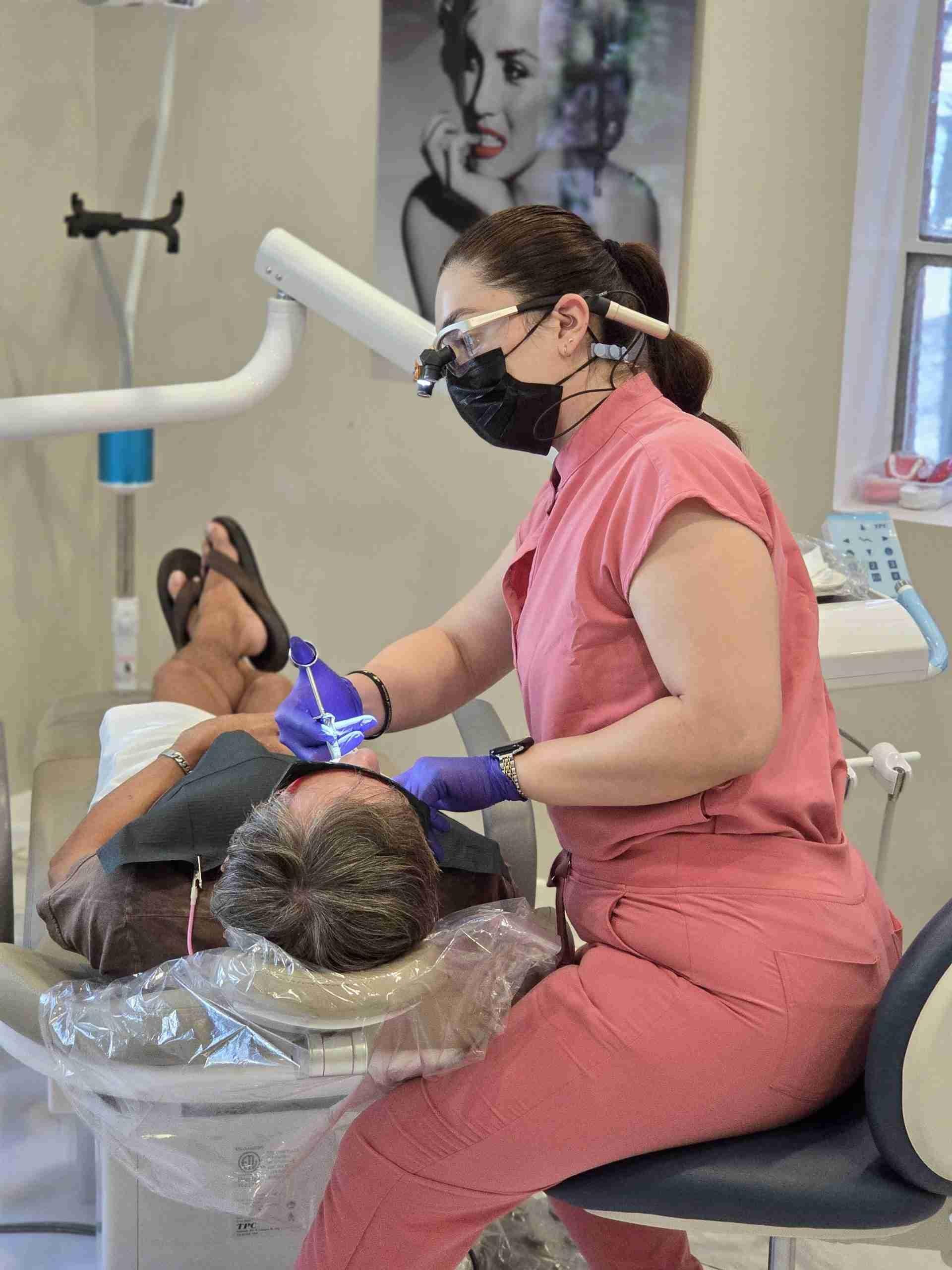
SURGICAL EXTRACTION:
For teeth that are impacted, partly buried, or have curved or spread roots. A small incision is made and the tooth is often sectioned into pieces so it can be removed without stressing the surrounding bone. Sutures are usually placed, and healing follows a predictable course with the aftercare provided.
WHY PATIENTS CHOOSE US FOR WISDOM TEETH REMOVAL
The nerve runs close to the lower wisdom teeth. Knowing exactly where before starting is what separates a planned procedure from a hopeful one.

3D Planning Before Removal
Cone beam imaging taken in this office shows root anatomy, nerve position and sinus proximity in advance. No separate imaging appointment and no referral out.

Comfort-First Approach
Thorough anaesthesia, unhurried appointment time, and sedation available for anyone anxious. Most patients say the anticipation was harder than the procedure.

Honest About Whether It Is Needed
Not every wisdom tooth requires removal. Where yours are stable and causing no problems, we will recommend monitoring rather than surgery.

30+ Years of Experience
More than three decades of surgical and restorative practice, including impacted and difficult cases.
3D Planning Before Removal
Cone beam imaging taken in this office shows root anatomy, nerve position and sinus proximity in advance. No separate imaging appointment and no referral out.
Comfort-First Approach
Thorough anaesthesia, unhurried appointment time, and sedation available for anyone anxious. Most patients say the anticipation was harder than the procedure.
Honest About Whether It Is Needed
Not every wisdom tooth requires removal. Where yours are stable and causing no problems, we will recommend monitoring rather than surgery.
30+ Years of Experience
More than three decades of surgical and restorative practice, including impacted and difficult cases.
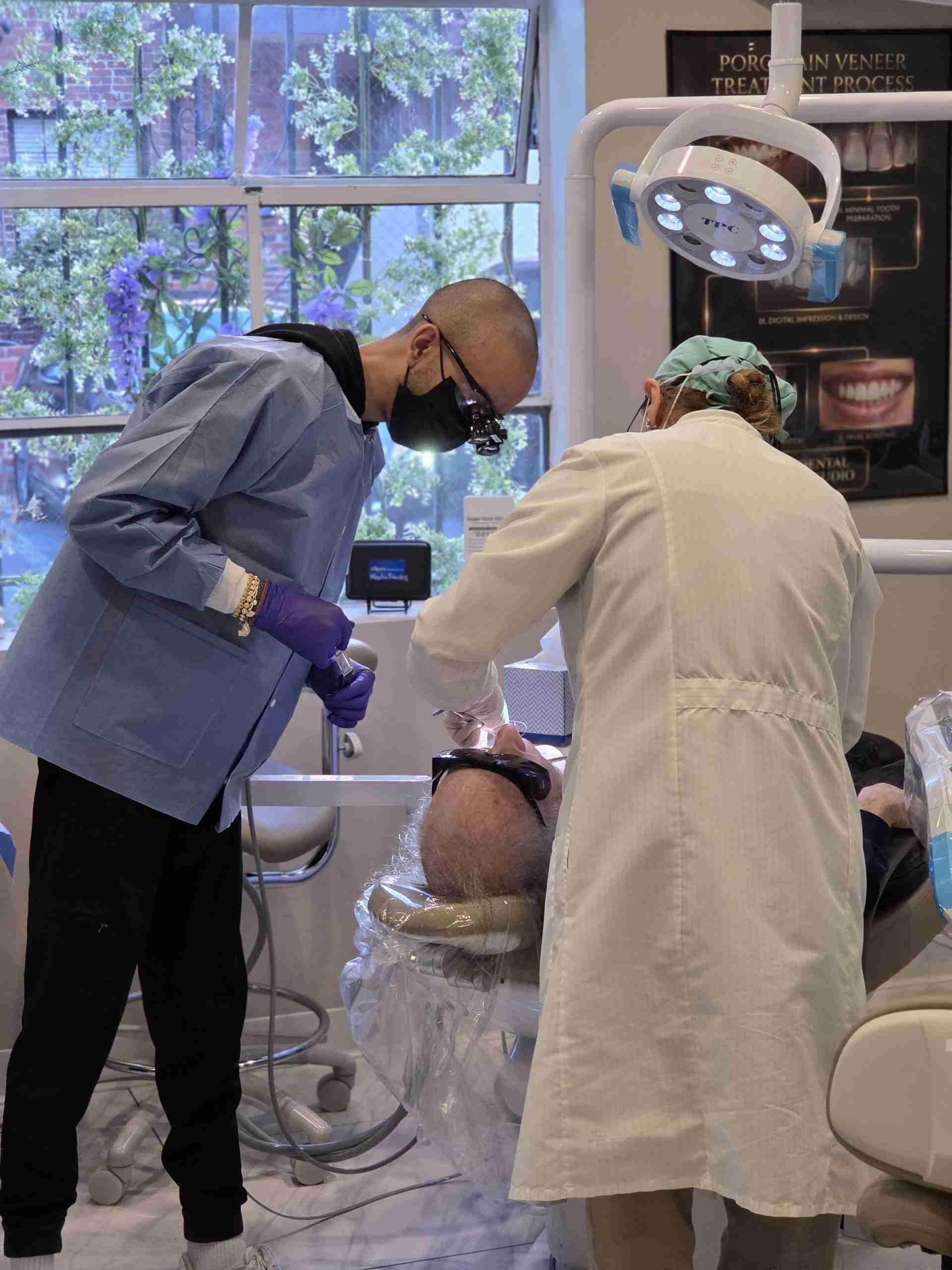
FIND OUT WHERE YOU ACTUALLY STAND
If you have been told your wisdom teeth need to come out, or you are getting recurring soreness at the back of your jaw, an examination and a 3D scan will tell you what is really happening. Where removal is the right answer it will be planned properly. Where it is not, we will say so. Book an assessment with Dr. Shir.
WISDOM TEETH FAQS: YOUR QUESTIONS, ANSWERED
The questions patients ask most often before and after removal.
Do I have to have my wisdom teeth removed?
Not automatically. A wisdom tooth that is fully erupted, in a functional position, clean and symptom-free can often be monitored rather than removed. Removal is indicated where the tooth is impacted, repeatedly infected, decayed beyond reliable repair, or damaging the tooth in front. The imaging and examination decide it, not your age.
Is wisdom tooth removal painful?
The area is thoroughly anaesthetised, so during the procedure you feel firm pressure and movement rather than pain, and sedation is available. Afterwards, expect soreness and swelling for several days, usually peaking around day two or three. Most patients manage on over-the-counter pain relief with the aftercare instructions provided.
How long is the recovery?
Most patients feel substantially better within three to five days and essentially normal within a week to ten days. Swelling and jaw stiffness are at their worst around day two or three and then settle. Surgical removals of impacted teeth take longer to recover from than simple ones.
Can all four be removed at once?
Often yes, and many patients prefer a single recovery period to four separate ones. It depends on how difficult each tooth is and how you feel about a longer appointment. Where the cases are complex, staging them in two visits can be the more comfortable route, and that is discussed at the consultation.
What is a dry socket and how do I avoid it?
A dry socket occurs when the blood clot protecting the healing bone is dislodged too early, exposing the bone and causing significant pain, usually around day three. The main risks are smoking, drinking through a straw, vigorous rinsing and spitting in the first few days. Following the aftercare carefully through the first seventy-two hours is genuinely what prevents it.
What can I eat afterwards?
Soft, cool foods for the first day or two, chewing away from the sites, and nothing requiring suction. Avoid anything hot, hard, crunchy or seedy for several days, since particles lodging in the socket cause problems. Most patients return to a fairly normal diet within a week.
Are wisdom teeth extractions covered by insurance?
They are usually treated as necessary rather than elective, so most plans contribute, though coverage varies and surgical removals are often handled differently from simple ones. You receive a written figure before treatment begins, and financing is available.