

Laser Gum Treatments in Beverly Hills
Periodontal Dentistry
A soft tissue laser used alongside deep cleaning to treat gum disease, and to reshape gum tissue. For many patients it is an alternative to surgery, with less bleeding and a more comfortable recovery.
What a Dental Laser Actually Does
A soft tissue laser delivers concentrated light energy that works on gum tissue rather than on teeth or bone. In periodontal treatment it is used inside the pocket after scaling, to remove diseased tissue lining the pocket wall and reduce the bacteria living there. Because it seals small blood vessels as it works, there is typically less bleeding, often fewer sutures, and a more comfortable recovery than a scalpel approach. It is important to be clear about its role: the laser supports the mechanical cleaning that removes the hardened deposits driving the disease. It does not replace it, and any practice presenting laser treatment as a shortcut around proper cleaning is overselling it.
WHERE WE USE THE LASER
The applications we use it for, and what the laser contributes in each.

Treating Periodontal Pockets
After scaling and root planing has removed the deposits, the laser is used inside the pocket to remove diseased tissue from the pocket lining and reduce the bacteria present. This is its main periodontal application and the one with the most established use.
An Alternative to Gum Surgery for Many Patients
Where pockets remain deep after non-surgical treatment, the traditional next step is flap surgery, which involves lifting the gum with a scalpel and suturing it back. Laser treatment allows many of those cases to be managed without that, though not all, and we will tell you which yours is.
Gum Contouring and Reshaping
The laser reshapes an uneven gum line with a good deal of precision, whether for a gummy smile or to even out the tissue before veneers or crowns are designed. Tissue treated this way generally settles predictably.
Crown Lengthening
Where a tooth needs more structure exposed before a crown can seal against it, the laser removes the excess tissue cleanly and with minimal bleeding, which makes the working field considerably easier to judge.
Less Bleeding During Treatment
The laser seals small blood vessels as it works. Beyond the comfort benefit, it means the area stays clear during the procedure, which improves how accurately the work can be done.
Fewer Sutures, Often None
Because the tissue is sealed rather than cut, many laser procedures need no stitches at all. That removes a follow-up appointment and one of the more irritating parts of recovery.
More Comfortable Recovery
Most patients report less discomfort and less swelling after laser treatment than after a scalpel equivalent, and generally return to normal activity sooner. Over-the-counter pain relief is usually sufficient.
Used Alongside Ozone
In periodontal cases the laser is combined with ozone as an additional antimicrobial step within the cleaned pockets. Both support the mechanical cleaning rather than substituting for it.
What the Laser Does Not Do
It does not remove the hardened deposits below the gum line. That is done with scaling instruments, and it remains the part of treatment that addresses the cause. The laser also does not regrow bone that periodontal disease has already destroyed.
LASER TREATMENT OR CONVENTIONAL SURGERY
Both have a place. Which suits you depends on how deep the pockets are, how much bone has been lost, and how the tissue has responded to non-surgical treatment already.
LASER PERIODONTAL THERAPY:
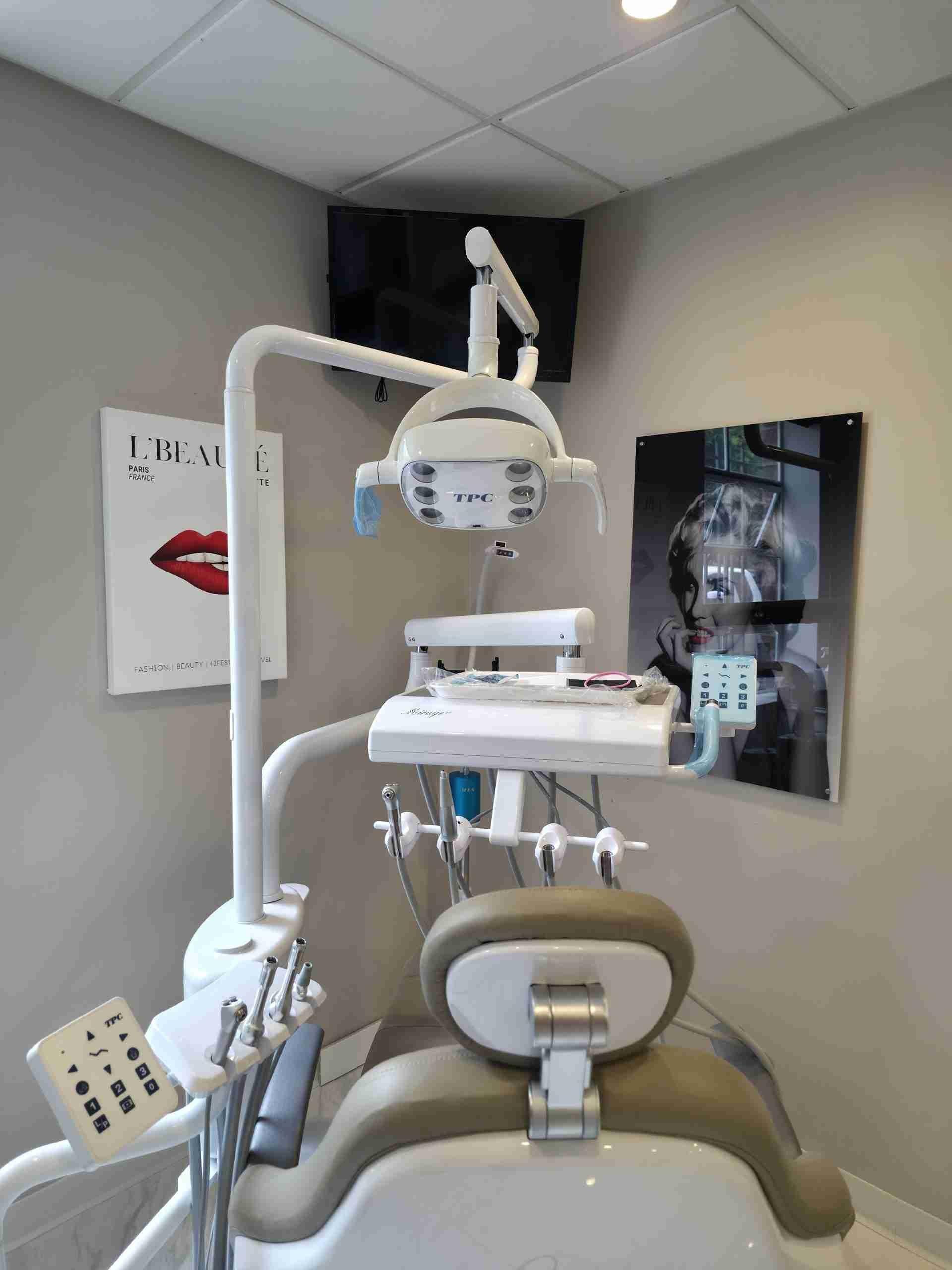
Used alongside scaling and root planing to treat the pocket lining and reduce bacteria. Typically less bleeding, often no sutures, and a more comfortable recovery. Suited to most patients with moderate periodontal disease, and generally the first thing we try where non-surgical treatment alone has not been enough.
CONVENTIONAL FLAP SURGERY:
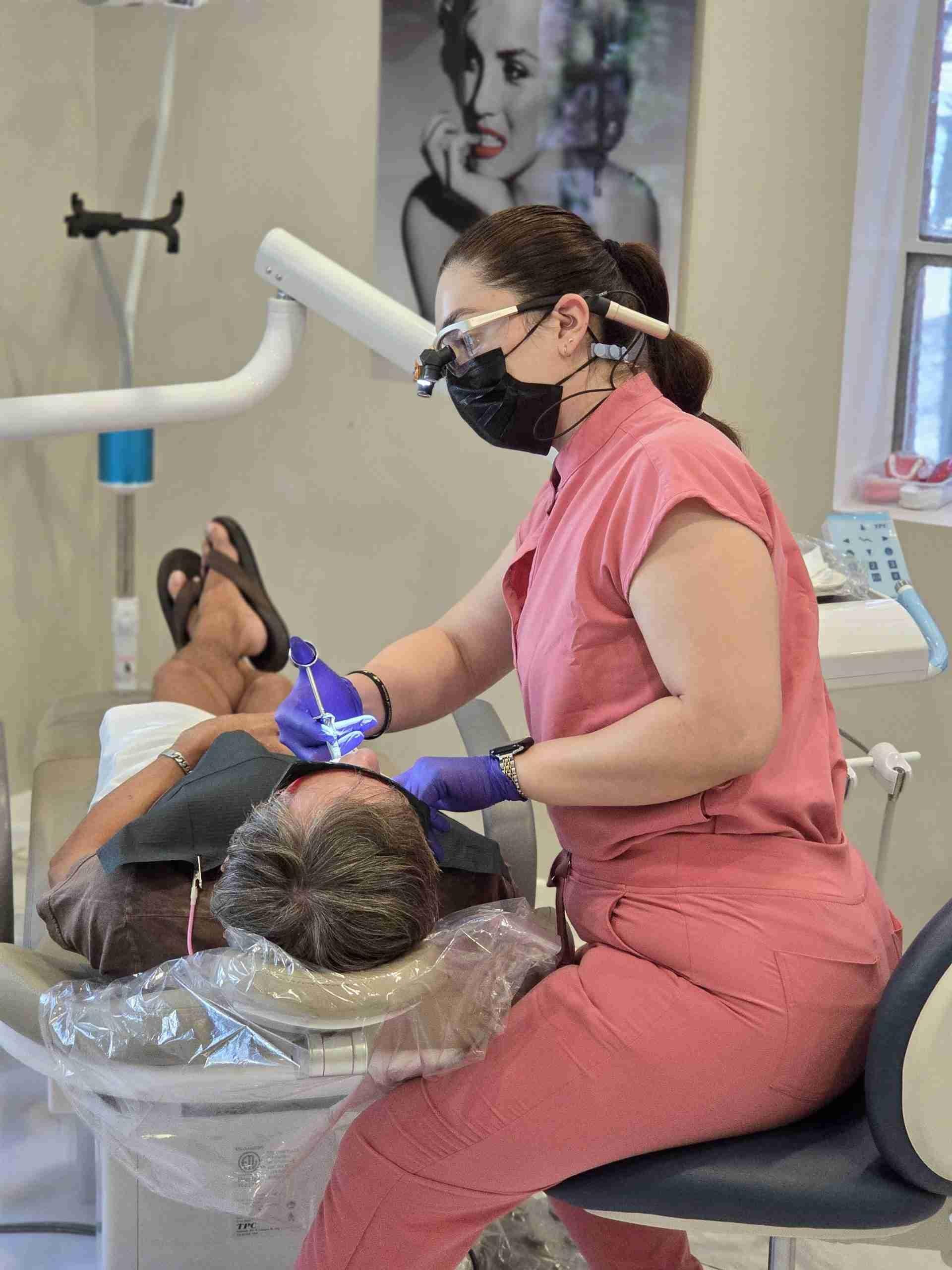
The gum is lifted back so the root surfaces and bone can be accessed directly, then repositioned and sutured. It remains the appropriate option for advanced disease with deep pockets or where bone needs reshaping or grafting. Longer recovery, and reserved for cases that genuinely need it.
WHY PATIENTS CHOOSE US FOR LASER GUM TREATMENT
The laser is a tool within a treatment plan, not the treatment itself. How it is used matters more than the fact that we have one.

Used as an Adjunct, Honestly
We will always tell you what the conventional treatment is and what the laser adds to it. It supports scaling and root planing rather than replacing it.

Conservative Before Surgical
Laser therapy is tried before flap surgery wherever the case allows. Where surgery is genuinely the right answer, we will say so rather than persist with the gentler option.

Combined With Ozone
In periodontal cases the laser is used alongside ozone as part of a wider approach to reducing bacterial load in the cleaned pockets.

30+ Years of Experience
More than three decades of restorative and periodontal practice, with gum health assessed at every routine visit.
Used as an Adjunct, Honestly
We will always tell you what the conventional treatment is and what the laser adds to it. It supports scaling and root planing rather than replacing it.
Conservative Before Surgical
Laser therapy is tried before flap surgery wherever the case allows. Where surgery is genuinely the right answer, we will say so rather than persist with the gentler option.
Combined With Ozone
In periodontal cases the laser is used alongside ozone as part of a wider approach to reducing bacterial load in the cleaned pockets.
30+ Years of Experience
More than three decades of restorative and periodontal practice, with gum health assessed at every routine visit.
TOLD YOU NEED GUM SURGERY?
If you have been recommended for periodontal surgery, it is worth finding out whether laser treatment alongside deep cleaning would manage your case instead. It does not suit every situation, particularly advanced disease with significant bone loss, and we will tell you honestly which category yours falls into. Book an assessment with Dr. Shir.
FREQUENTLY ASKED QUESTIONS ABOUT LASER GUM TREATMENT
The questions patients ask most often before treatment.
Is laser gum treatment better than traditional gum surgery?
For many patients with moderate periodontal disease it achieves a comparable result with less bleeding, fewer sutures and a more comfortable recovery, which is why we try it first. For advanced disease with deep pockets and significant bone loss, conventional surgery still does things the laser cannot. The right answer depends on your measurements, and we will explain which applies to you.
Does laser gum treatment hurt?
The area is anaesthetised, so the procedure itself is comfortable, and sedation is available. Most patients report less discomfort afterwards than with a scalpel approach, with tenderness for a few days that over-the-counter pain relief manages. Where laser treatment follows deep cleaning, teeth can be temperature-sensitive for a week or two as the tissue tightens.
Does the laser replace the deep cleaning?
No, and this is worth being clear about. Scaling and root planing removes the hardened deposits below the gum line that are driving the inflammation, and nothing substitutes for that. The laser treats the pocket lining and reduces bacteria after the deposits are gone. Used together they do more than either does alone.
Is laser gum treatment covered by insurance?
Coverage varies and some plans treat laser periodontal therapy differently from conventional treatment, occasionally paying at the rate for the traditional procedure rather than the laser one. You receive a written figure before treatment begins regardless of what your plan contributes, and financing is available.