

Root Canal Therapy in Beverly Hills
Root Canal Therapy
Treat the infection inside the tooth and keep the tooth itself. Canal anatomy mapped in 3D where the case calls for it, and the protective crown afterwards completed in the same office.
Why Save the Tooth?
A root canal removes inflamed or infected tissue from inside the tooth, disinfects the space, and seals it so bacteria are far less able to recolonise it. The tooth keeps its root, its position in your bite, and in most cases many further years of function. The alternative is removal, and no replacement dentistry offers reproduces a natural root exactly. The procedure’s reputation belongs largely to a different era. By the time a tooth needs treatment the nerve tissue is usually inflamed or dying and pressure is building inside a sealed chamber, which is what produces the severe ache people associate with the words. The treatment is what relieves that.
SIGNS YOU MAY NEED ROOT CANAL TREATMENT
Several of these warrant a prompt appointment rather than a routine one. If more than one applies, call rather than wait.

Persistent, Throbbing Toothache
Pain that arrives without an obvious trigger, throbs in time with your pulse, or wakes you at night suggests the nerve tissue inside the tooth is involved. Ordinary sensitivity does not behave this way.
Sensitivity That Lingers
A healthy tooth reacts to hot or cold and settles within seconds. Pain from a hot drink that continues for minutes afterwards is one of the more reliable indicators of irreversible inflammation inside the tooth.
Pain When Biting on One Tooth
Localised pain under pressure often means inflammation has extended through the root tip into the ligament holding the tooth in its socket. The tooth may also feel slightly raised, as though it meets first when you close.
A Single Tooth Darkening
A tooth turning grey or brown compared with its neighbours, sometimes years after an injury, suggests the nerve tissue inside has died. This warrants assessment even without pain, because infection can follow silently.
Swelling or a Recurring Bump on the Gum
A tender swelling beside a tooth, or a small bump that discharges and returns, usually indicates an abscess draining through the bone. This needs prompt attention rather than watchful waiting.
Pain That Stopped on Its Own
Pain often subsides when the nerve tissue dies. The infection does not go with it, and can continue quietly into the surrounding bone. A tooth that hurt badly and then went quiet has not recovered.
3D Imaging Where It Is Needed
Root anatomy varies considerably between patients and between teeth, and canals missed during treatment are a well-documented cause of later failure. Our cone beam scan shows the canal system in three dimensions where the case is complex or previously treated.
Why the Crown Afterwards Matters
A root treated back tooth has lost its internal blood supply and becomes more brittle over time while still taking heavy chewing loads. Full coverage with a crown or onlay distributes that load. Skipping it is a common reason a successfully treated tooth is later lost to fracture.
Treated and Restored Here
The root canal and the restoration that protects it afterwards are both completed by Dr. Shir in this office, in sequence. Nothing is referred out and nothing is left waiting between two providers.
ROOT CANAL OR EXTRACTION
Where a tooth is restorable, keeping it is usually the stronger option. Where it is not, we say so plainly and plan the replacement properly.
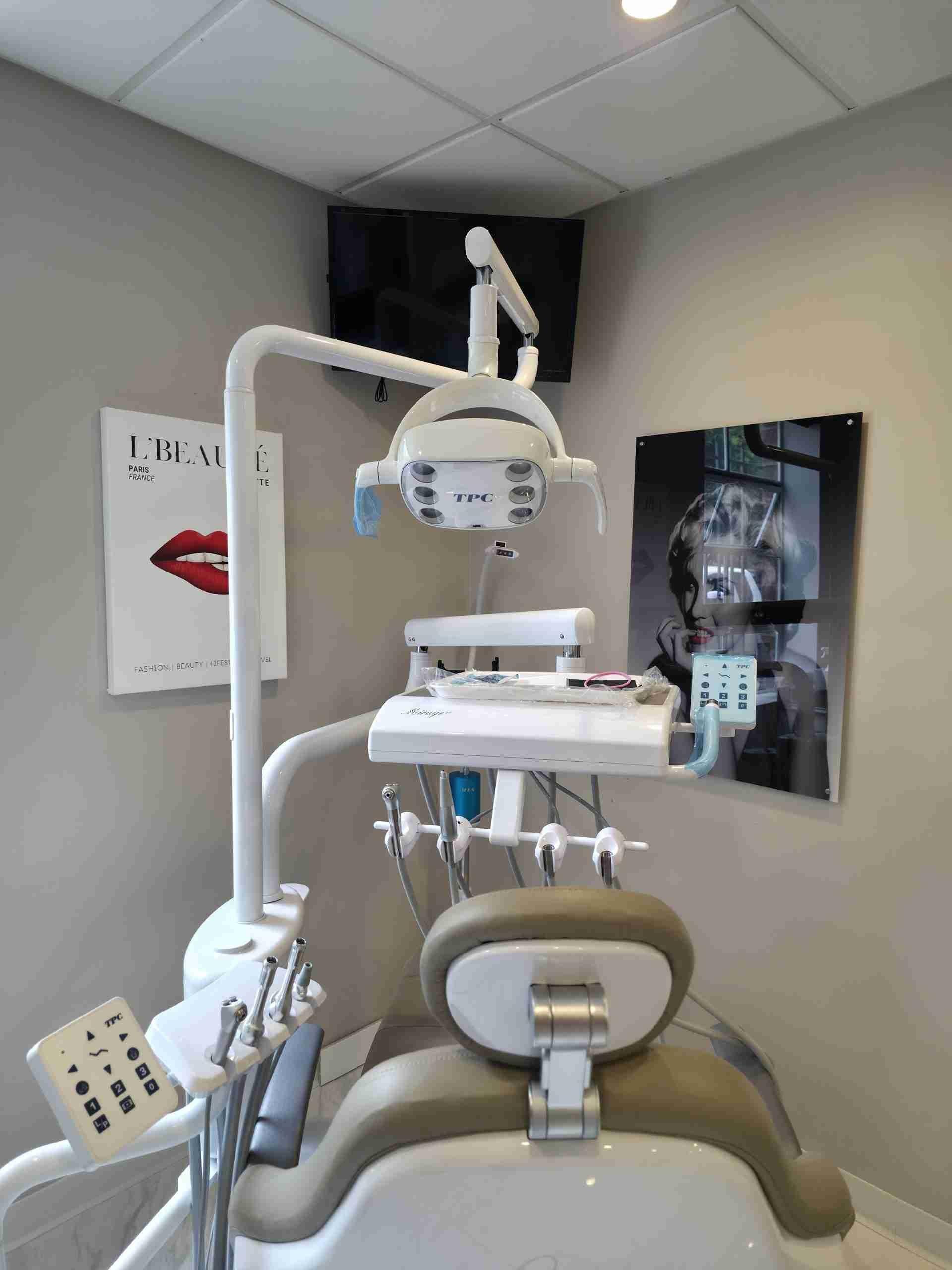
ROOT CANAL AND CROWN:
Keeps your natural root, which maintains bone and bite position in a way replacements only approximate. No surgery, and treatment is usually completed within two to four weeks. Suited to a tooth with enough sound structure remaining to be restored.
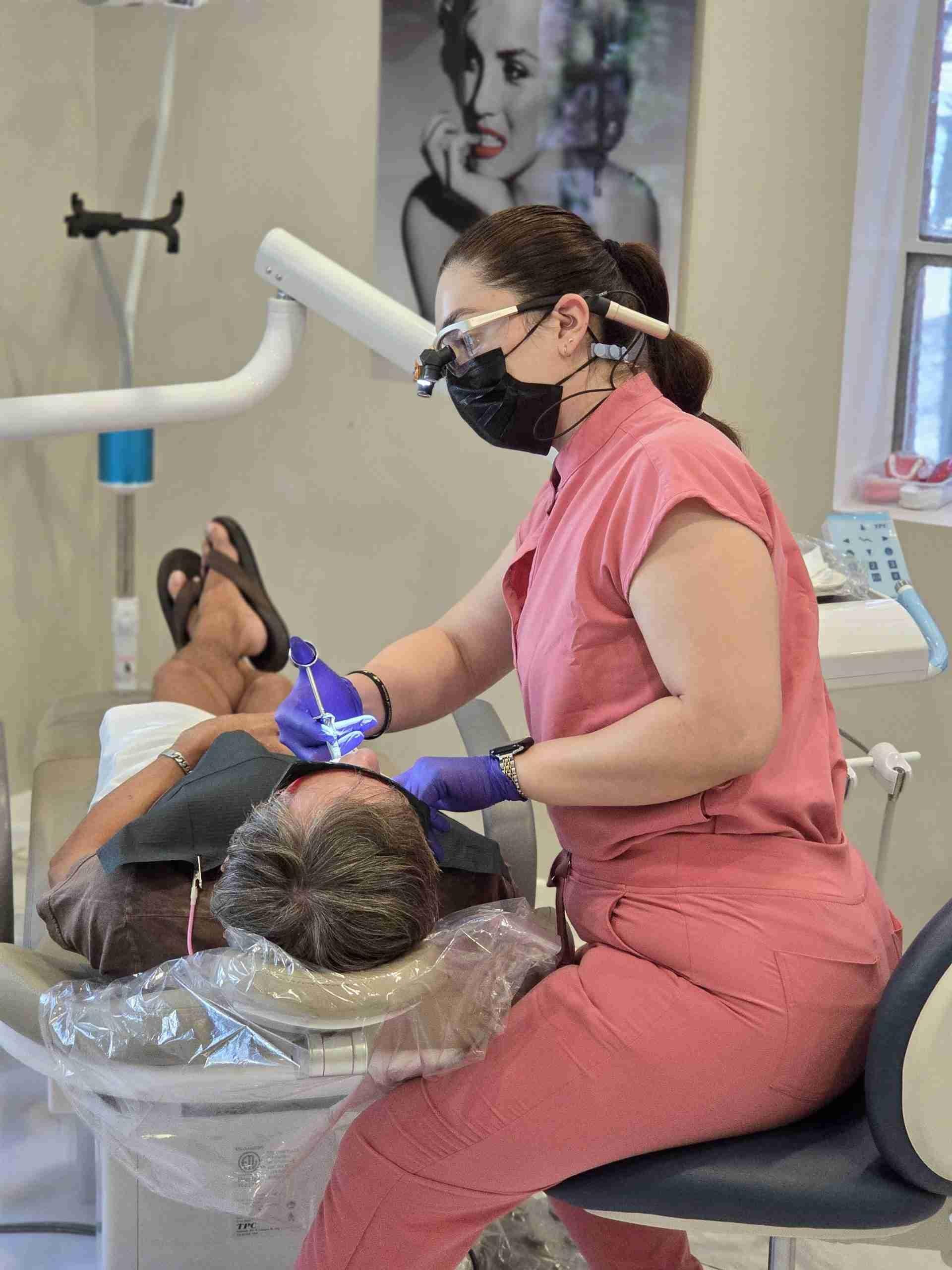
EXTRACTION AND REPLACEMENT:
The right answer where the tooth is fractured below the gum line or too little structure remains to build on. It involves surgery and takes several months if an implant follows, and it usually costs more than the root canal and crown together once replacement is accounted for.
WHY PATIENTS CHOOSE US FOR ROOT CANAL TREATMENT
Most patients arrive dreading this appointment. The equipment, the anaesthesia and the time set aside are all aimed at changing that.

Comfort Taken Seriously
Thorough anaesthesia, unhurried appointment time reserved for you, and sedation available. Most patients report the appointment feels similar to having a large filling placed.

3D Canal Imaging On Site
Cone beam imaging available in this office where a case calls for it, without a separate referral or a second trip before treatment can start.

Treated and Restored In-House
The root canal and the crown that protects it afterwards are completed by the same dentist, in the right order, with no gap where the tooth sits unprotected.

30+ Years of Experience
Dr. Shir's training covers endodontics alongside restorative and cosmetic work, applied across more than three decades of practice.
Comfort Taken Seriously
Thorough anaesthesia, unhurried appointment time reserved for you, and sedation available. Most patients report the appointment feels similar to having a large filling placed.
3D Canal Imaging On Site
Cone beam imaging available in this office where a case calls for it, without a separate referral or a second trip before treatment can start.
Treated and Restored In-House
The root canal and the crown that protects it afterwards are completed by the same dentist, in the right order, with no gap where the tooth sits unprotected.
30+ Years of Experience
Dr. Shir's training covers endodontics alongside restorative and cosmetic work, applied across more than three decades of practice.
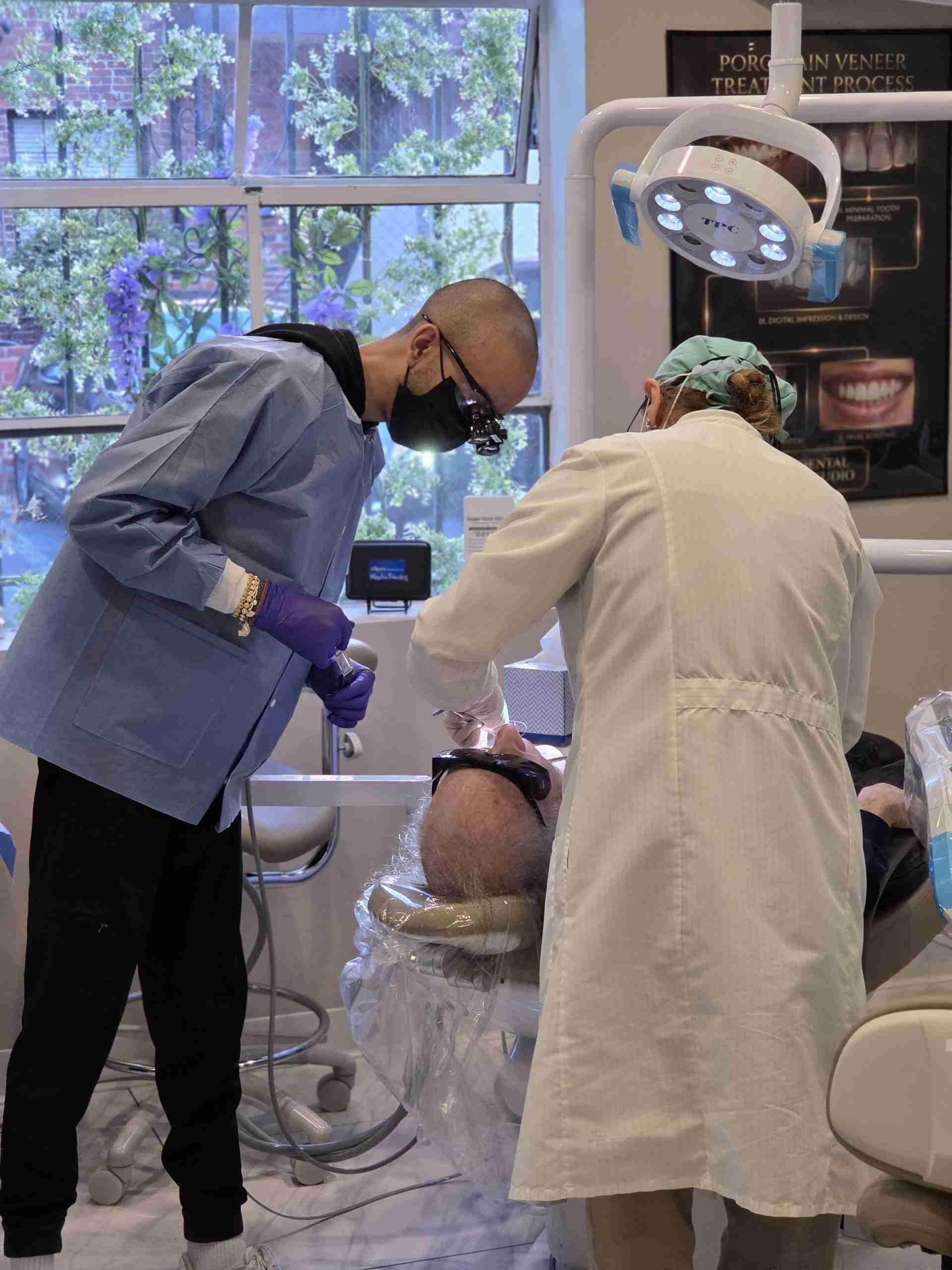
TOOTHACHE THAT WILL NOT SETTLE?
Infection inside a tooth does not resolve on its own. It progresses into the bone at the root tip, and the tooth can eventually become unrestorable, at which point removal is the only option left. Treatment carried out earlier is shorter, more comfortable and more likely to succeed. Book an assessment with Dr. Shir.
ROOT CANAL FAQS: YOUR QUESTIONS, ANSWERED
The questions patients ask most often before treatment.
Does a root canal hurt?
The tooth and surrounding tissue are thoroughly anaesthetised, and most patients report the appointment feels similar to having a large filling placed. The severe pain associated with root canals is generally the infection beforehand rather than the treatment itself. Tenderness on biting for a few days afterwards is common and usually settles with over-the-counter pain relief.
How many visits does it take?
Often one, sometimes two. Front teeth have a single canal and are usually quicker. Molars commonly have three or four and take longer. Where infection is more extensive, a medicated dressing may be placed and the tooth completed at a second visit. Your treatment plan will set out what to expect for your tooth.
Why do I need a crown afterwards?
The tooth has lost its internal blood supply and tends to become more brittle over time, while back teeth continue taking heavy chewing forces daily. A crown or onlay distributes that load across the whole tooth and substantially reduces the risk of fracture. Fracture after an unrestored root canal is one of the most common reasons a treated tooth is later lost.
Should I just have the tooth removed instead?
Where the tooth is restorable, usually not. Extraction can appear cheaper until replacement is accounted for, and an implant or bridge generally costs more than the root canal and crown together. The natural root also maintains bone and bite position in a way replacements only approximate. Where a tooth genuinely cannot be saved, we will tell you.
How long does a treated tooth last?
With a proper restoration on top and good daily care, many treated teeth serve for decades. Outcomes depend on the tooth, the extent of the original infection, how soon the tooth is restored afterwards, and ongoing gum health. It needs nothing special from you beyond normal hygiene and regular checkups.
Can antibiotics clear the infection instead?
No. Antibiotics may settle surrounding tissue temporarily, and are sometimes prescribed alongside treatment where infection is spreading, but they cannot reliably reach bacteria inside the canal system, which has no blood supply. The infection typically returns once the course ends.
Is root canal treatment covered by insurance?
It is usually treated as necessary rather than elective, so most plans contribute, though the level varies and the crown afterwards may be handled separately. You receive a written figure covering the whole sequence before treatment begins, and financing is available.