

Clear Aligners in Beverly Hills
Cosmetic Dentistry
Straighten your teeth with a series of removable clear aligners, planned digitally from a scan taken in this office. No brackets, no wires, and you can see the projected result before you start.
What Are Clear Aligners?
Clear aligners are a series of thin, removable trays worn over the teeth, each one shaped slightly differently from the last. Worn in sequence, they move teeth gradually into a planned position. You take them out to eat and to clean your teeth, which is the main practical difference from fixed braces, and it is why they suit adults who would rather not spend a year with brackets.
The plan starts with a digital scan of your teeth taken here. From that, the full sequence of movements is mapped out before you receive a single tray, so you can see where your teeth are starting and where the plan expects them to finish. Aligners suit mild and moderate crowding, spacing and rotation well. Complex cases involving significant bite correction may need fixed braces or a specialist referral, and Dr. Shir will tell you at the consultation rather than after you have committed.
CLEAR ALIGNERS: WHAT TO KNOW
What aligners do well, what they do not, and what treatment actually asks of you.

Removable and Discreet
Aligners are taken out to eat, drink anything other than water, and clean your teeth. They are clear and sit close to the teeth, so most people do not notice them in conversation, though they are not entirely undetectable and we would rather say so.
Digitally Planned From Day One
A digital scan of your teeth is taken here, and the full sequence of movements is planned before any tray is made. You see the projected end position at the outset rather than finding out as you go.
Suited to Mild and Moderate Cases
Crowding, spacing, and mild rotation respond well. Significant bite discrepancies, severely rotated teeth and complex jaw relationships often need fixed braces or a specialist. That assessment happens before you commit to anything.
Wear Time Is the Whole Treatment
Aligners work for the hours they are in. Around twenty to twenty-two hours a day is what most plans require, which means wearing them overnight and through most of the day. Treatment that falls short of this stalls, and no amount of trays will compensate.
No Food Restrictions
Because you remove them to eat, nothing is off the menu. Fixed braces rule out a long list of foods for the duration. This is one of the more practical everyday advantages.
Easier Cleaning
You brush and clean between your teeth normally, with nothing in the way. With fixed braces, plaque collects around the brackets, and decalcification marks around them are a well-known outcome of poor cleaning during treatment.
Attachments and Refinements
Small tooth-coloured attachments are often bonded to some teeth to give the aligners something to grip, and they are removed at the end. Refinement trays at the finish are common rather than a sign anything went wrong, and they fine-tune the last small movements.
Comfort and Adjustment
Each new tray feels tight for a day or two, which is the sensation of the teeth being moved. Speech can be slightly affected for the first few days and settles. Most patients describe it as manageable rather than painful.
Retainers Hold the Result
Teeth drift back toward their old positions without retention, and this is the single most common reason results are lost. A retainer at the end is part of the treatment rather than an optional extra, and nightly wear long term is what keeps the result.
HOW CLEAR ALIGNER TREATMENT WORKS
Two stages. Everything is planned and shown to you before the first tray is made.
CONSULTATION & DIGITAL PLANNING
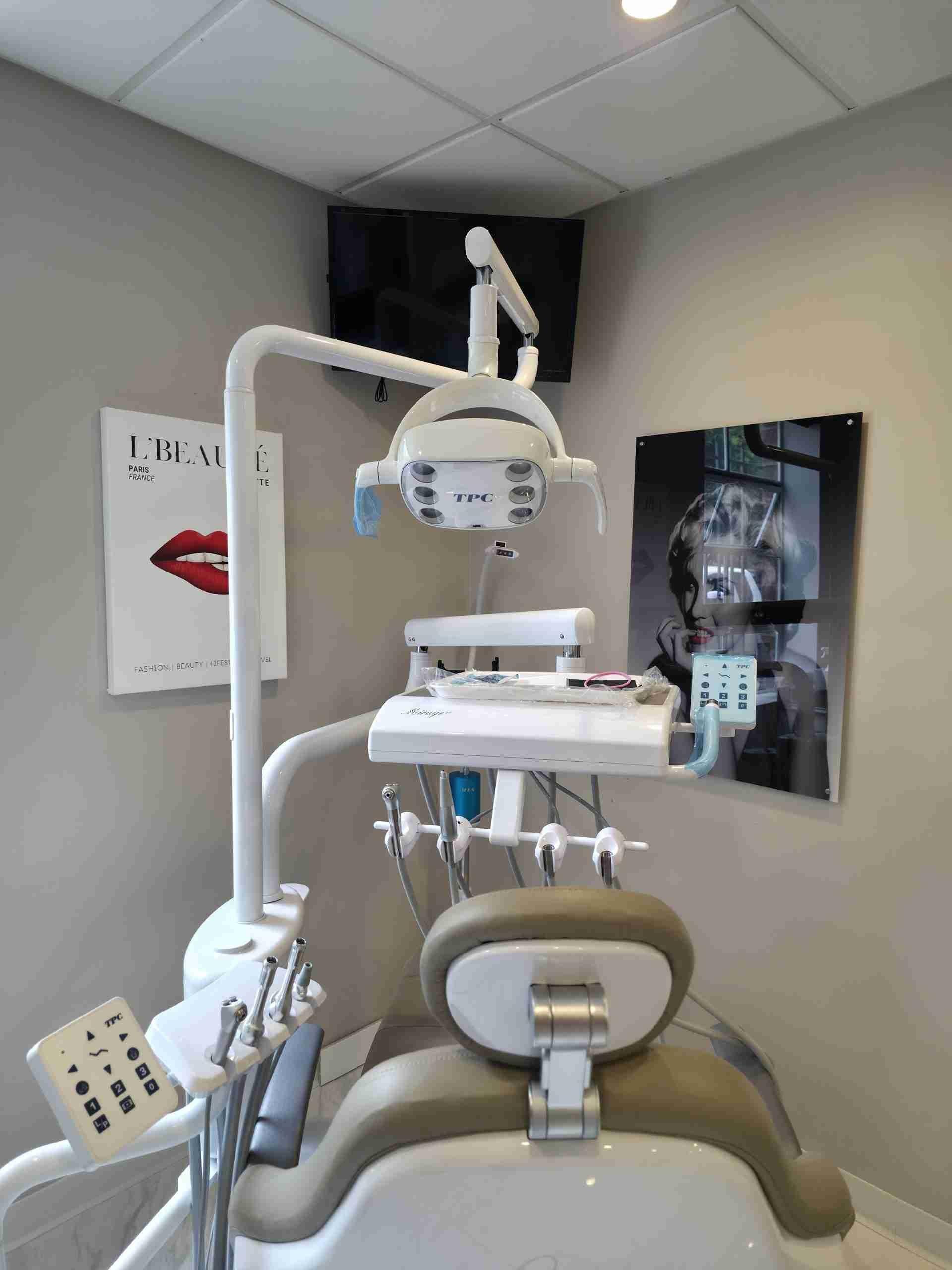
Dr. Shir assesses your teeth, gums and bite, and takes a digital scan here in the office. Gum health comes first, since moving teeth through inflamed tissue causes problems. From the scan, the full sequence of movements is planned and the projected result is shown to you, along with the expected number of trays and the timeline, before you decide anything.
WEARING YOUR ALIGNERS & REVIEWS
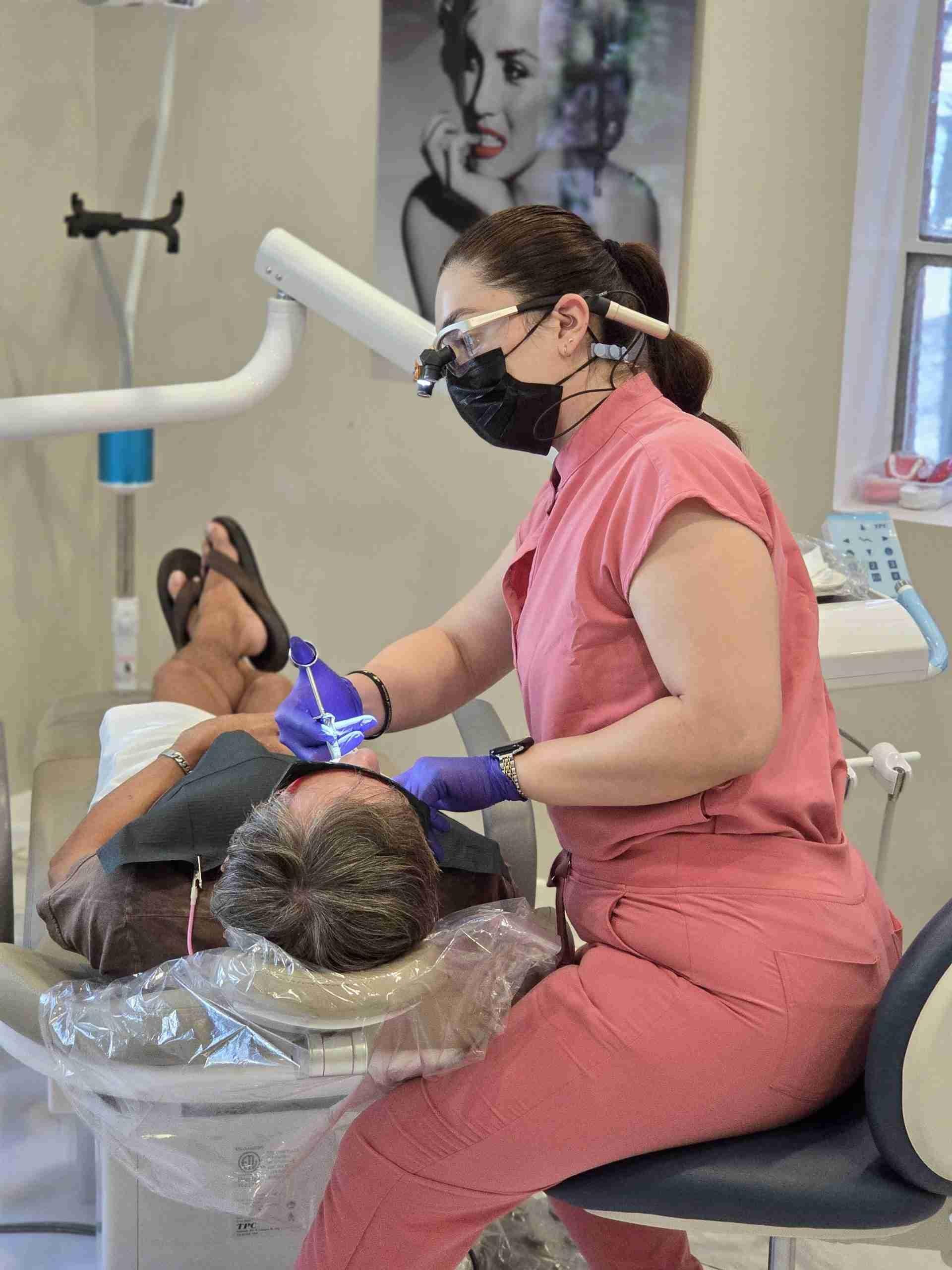
You move through the trays in sequence, each worn for the period your plan sets, around twenty to twenty-two hours a day. Review appointments check that the teeth are tracking as planned and that the aligners are seating fully. Where a tooth is lagging, the plan is adjusted. At the end, attachments are removed and a retainer is fitted.
WHY PATIENTS CHOOSE US FOR CLEAR ALIGNERS
Aligner treatment is only as good as the planning behind it and the reviews during it. Both happen here.

Scanned and Planned In-House
A digital scan taken in this office rather than an impression tray, and a treatment plan you see before starting. No guesswork about where the teeth are expected to finish.

Honest About Suitability
Aligners are not right for every case. Where crowding is significant or the bite needs correcting, Dr. Shir will tell you that at the consultation and explain what would work instead.

Monitored Throughout
Review appointments confirm the teeth are actually tracking to the plan. Aligner cases go wrong quietly, and catching a tooth that is not moving early is far easier than correcting it at the end.

Planned With the Whole Smile in Mind
Where whitening, bonding or veneers are also part of what you want, straightening usually comes first. Sequencing that properly is what stops work having to be redone.
Scanned and Planned In-House
A digital scan taken in this office rather than an impression tray, and a treatment plan you see before starting. No guesswork about where the teeth are expected to finish.
Honest About Suitability
Aligners are not right for every case. Where crowding is significant or the bite needs correcting, Dr. Shir will tell you that at the consultation and explain what would work instead.
Monitored Throughout
Review appointments confirm the teeth are actually tracking to the plan. Aligner cases go wrong quietly, and catching a tooth that is not moving early is far easier than correcting it at the end.
Planned With the Whole Smile in Mind
Where whitening, bonding or veneers are also part of what you want, straightening usually comes first. Sequencing that properly is what stops work having to be redone.
SEE YOUR PLAN BEFORE YOU START
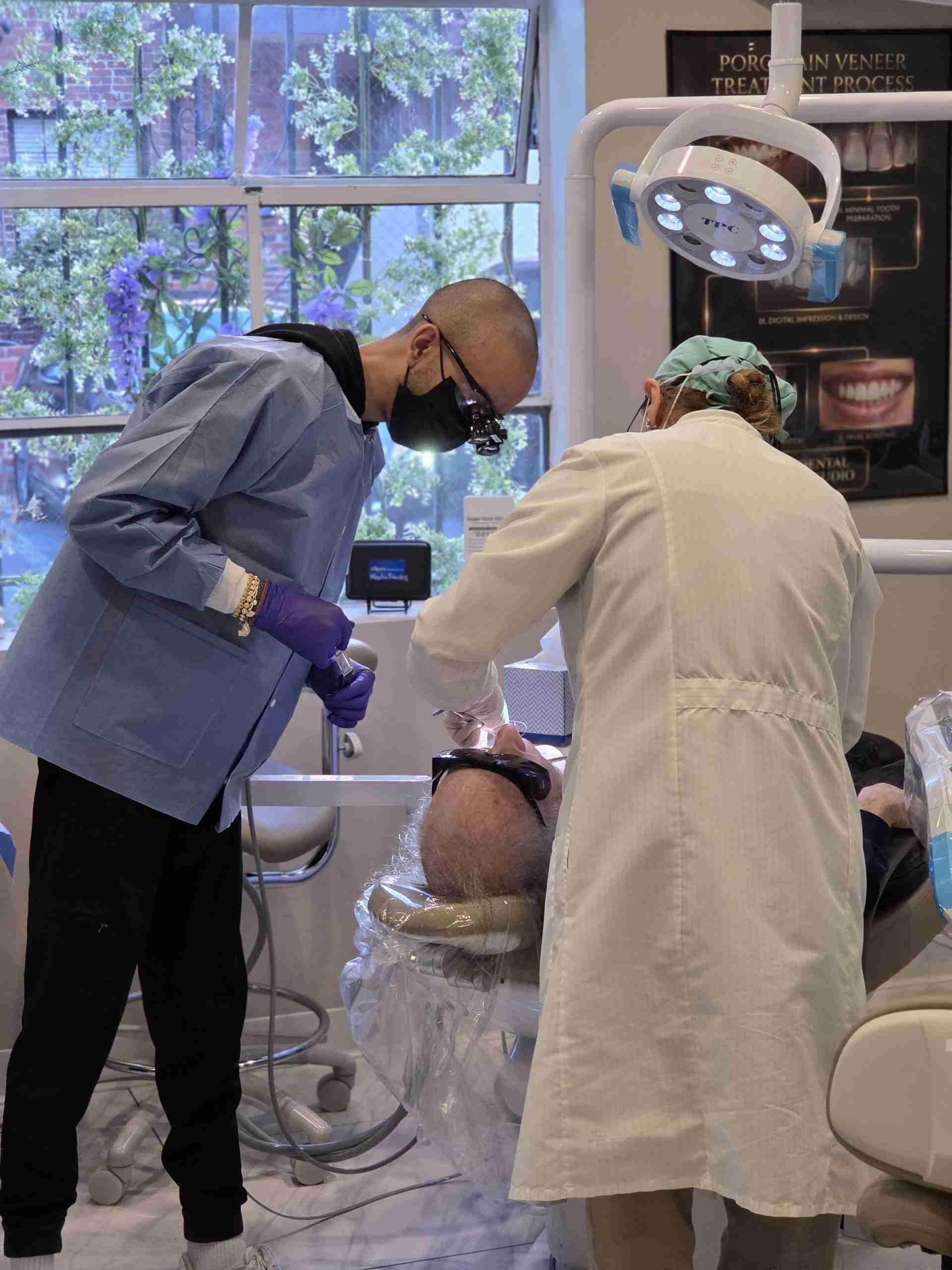
A consultation and a digital scan will tell you whether clear aligners suit your case, roughly how long treatment would take, and what the projected result looks like. If aligners are not the right tool for your teeth, you will hear that too. You leave with a written plan covering the sequence, the timeline and the cost, and no pressure to begin.
FREQUENTLY ASKED QUESTIONS ABOUT CLEAR ALIGNERS
The questions patients ask most often before starting treatment.
How long does clear aligner treatment take?
Most cases run somewhere between six and eighteen months, and the range is wide because it depends entirely on how far the teeth need to move. Mild spacing or crowding can finish in six months. More involved cases take longer. Your plan gives an expected number of trays and a timeline before you start, and wearing the aligners for the hours the plan requires is what keeps you on it.
Are clear aligners as effective as braces?
For mild and moderate crowding, spacing and rotation, they are a well-established treatment and they work. For significant bite correction, severely rotated teeth or complex jaw relationships, fixed braces still do things aligners cannot. The honest answer depends on your case, and that is what the consultation determines.
Do clear aligners hurt?
Each new tray feels tight for a day or two, which is the sensation of teeth being moved, and most patients describe it as pressure rather than pain. Speech can be slightly affected for the first few days and settles. Over-the-counter pain relief covers it for anyone who needs it.
Will I need a retainer afterwards?
Yes, and this is not a detail. Teeth drift back toward their previous positions without retention, and losing a straightened result for want of wearing a retainer is the most common disappointment in orthodontics. A retainer is part of the treatment plan from the start, and long-term nightly wear is what holds the result.
Can I whiten my teeth while wearing aligners?
Most patients are better off waiting until the teeth have finished moving, since the final positions are what you will be whitening. Dr. Shir will advise on timing at your reviews. Where whitening, bonding or veneers are part of the plan, straightening usually comes first so the shade and shape are matched to the finished position.
What happens if I lose a tray?
Tell us as soon as you notice. Depending on how far through that tray you were, you may be asked to go back to the previous one or move forward to the next while a replacement is arranged. Do not simply leave a gap in wear, because the teeth begin drifting within days.
How much do clear aligners cost in Beverly Hills?
Cost depends on how far the teeth need to move and how many trays your plan calls for, so a figure only means something once your case has been assessed. You receive a written plan at the consultation setting out the sequence, the timeline and the total cost, with no obligation to start.