
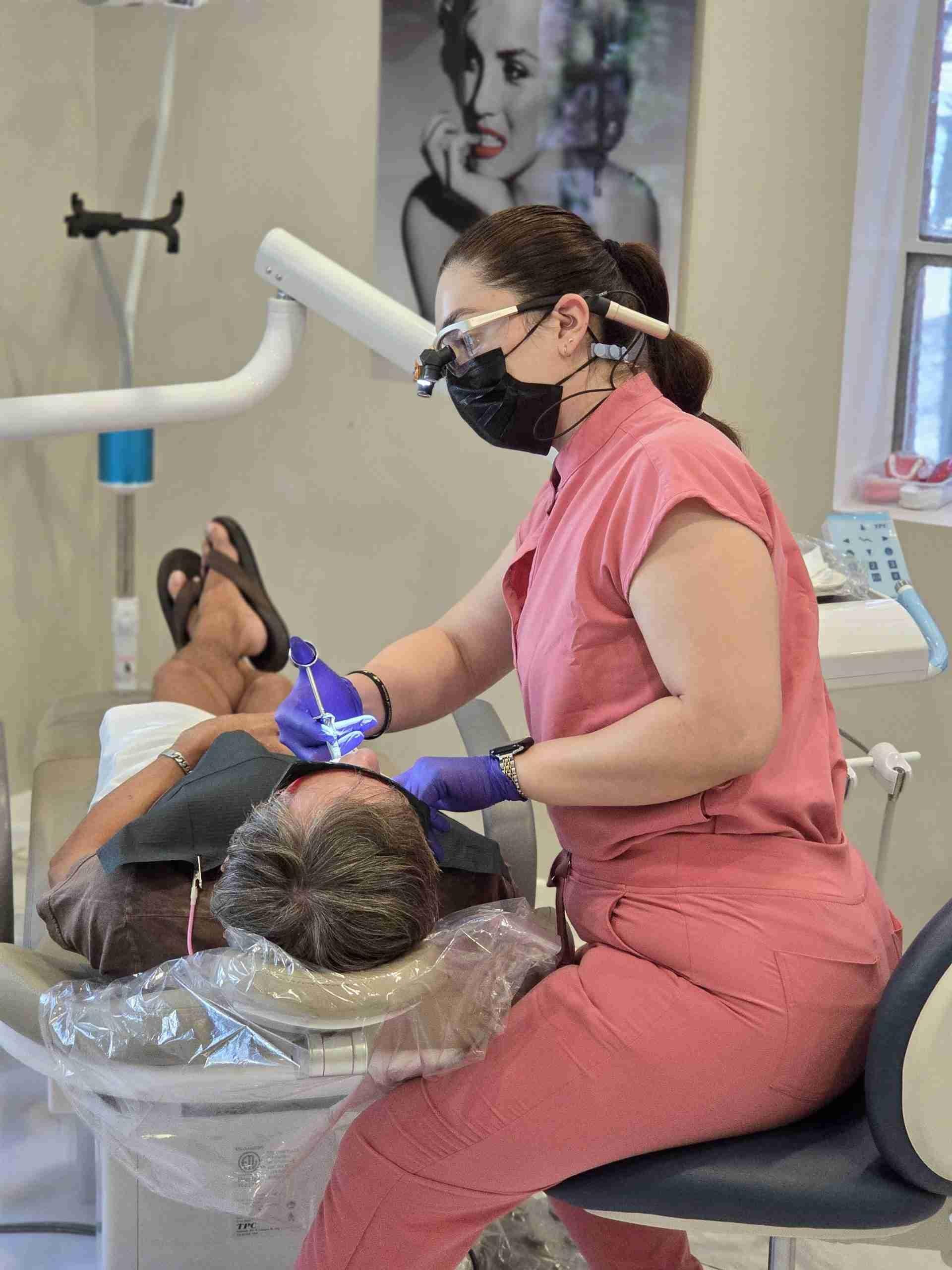
Gum Disease Treatment in Beverly Hills
Periodontal Dentistry
Treatment for every stage of gum disease, starting with the least invasive option that works. Laser therapy and ozone used alongside deep cleaning, with surgery reserved for cases that need it.
Understanding Periodontal Disease
Gum disease ranges from early-stage gingivitis to advanced periodontitis. Gingivitis presents as red, swollen or bleeding gums and is generally reversible with thorough professional cleaning and better daily care. Left untreated it can progress to periodontitis, where the bone supporting the teeth begins to be destroyed, producing deep pockets, recession and eventually loose teeth. That bone loss is not reversible, which is why the stage you are at determines what treatment can achieve. Early detection is the difference between reversing the problem and managing it.
Periodontal Disease Treatment Options
Six treatments, ordered from least to most invasive. Most patients are treated without surgery, and that is where we always start.
Scaling and Root Planing
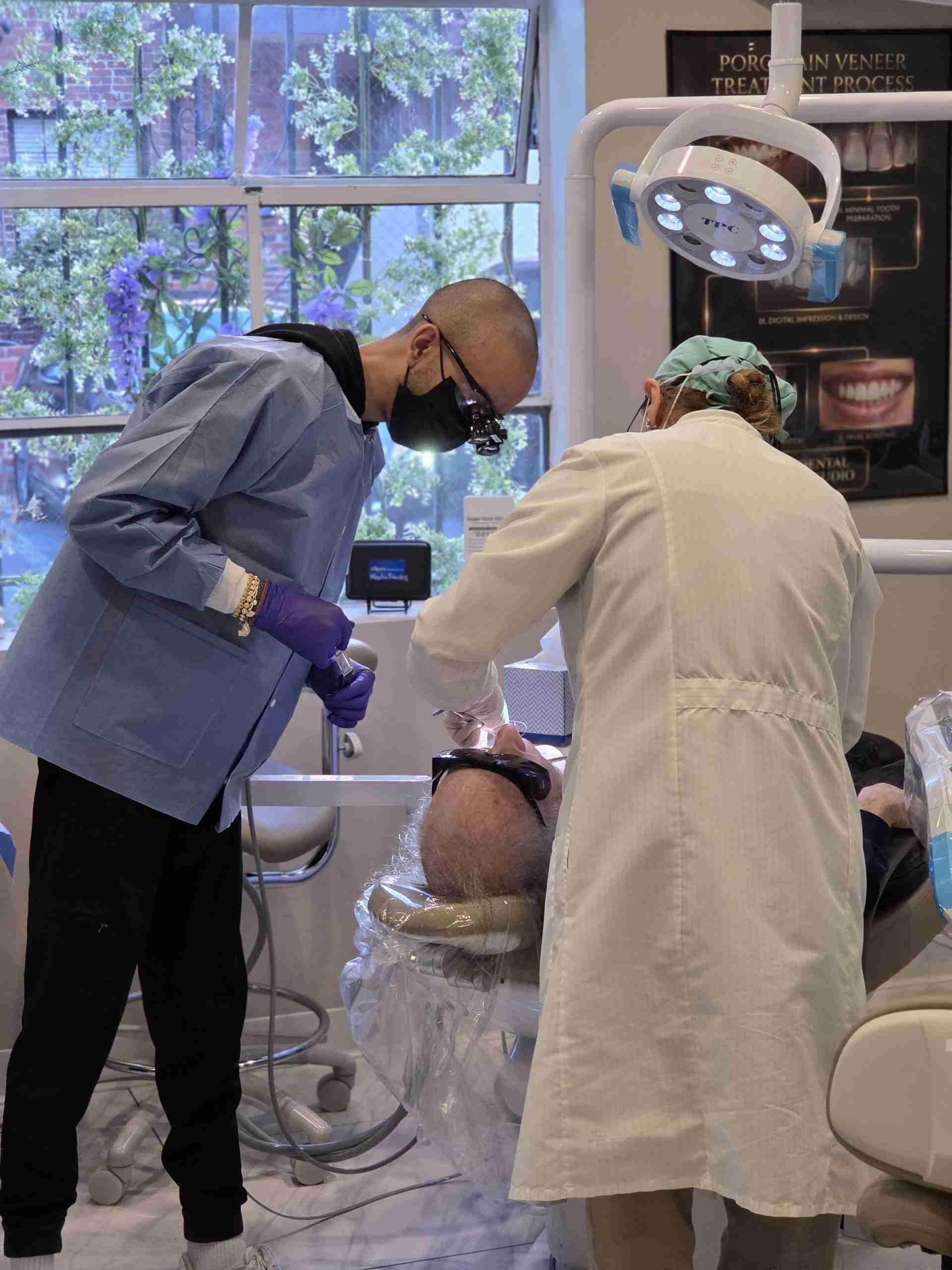
Deep cleaning below the gum line to remove the hardened deposits driving the inflammation, and smoothing the root surfaces so the tissue can reattach. Carried out under local anaesthetic, usually across one or two appointments. This is the first-line treatment and the majority of cases respond to it.
Antibiotic Treatment
Where infection is more extensive, a localised antibiotic can be placed directly into a periodontal pocket after cleaning, or a course prescribed. This supports the mechanical cleaning rather than replacing it, since no antibiotic removes the deposits that cause the problem.
Laser Therapy
A soft tissue laser is used to treat the lining of the pocket after scaling, reducing bacteria and inflamed tissue. For many patients it is an alternative to surgical treatment, and it generally involves less bleeding and a more comfortable recovery than a scalpel approach.
Flap Surgery
Where pockets remain deep after non-surgical treatment, the gum is lifted back so the root surfaces can be cleaned directly, then repositioned to fit closely against the tooth. Reserved for cases that have not responded to the conservative approach.
Bone Grafting
Where periodontal disease has destroyed bone around a tooth, grafting material can be placed to rebuild the site and support what remains. Not every defect is suitable for grafting, and the assessment determines whether yours is.
Soft Tissue Grafts
Where recession has exposed root surfaces, tissue can be grafted to cover them, reducing sensitivity and protecting the softer root from decay. Also used to rebuild gum tissue that has thinned to the point where it no longer protects the tooth.
The Treatment Process
Two phases. The first establishes exactly what stage you are at, because that determines what the treatment can realistically achieve.
COMPREHENSIVE ASSESSMENT
A full periodontal examination measuring the pocket depth around every tooth, checking for bleeding and recession, and X-rays to assess the bone level. That gives an objective record of where you are, which is what the treatment plan is built on and what later visits are measured against.
TREATMENT AND ONGOING MAINTENANCE
Treatment appropriate to the stage, followed by maintenance visits usually every three to four months rather than every six. Periodontal disease returns when the bacterial load builds back up, and the maintenance interval is what keeps it in check. This phase determines whether the treatment holds.
Our Approach to Periodontal Treatment
Least invasive first, measured against an objective baseline, and reviewed at intervals set by your risk rather than by a standard six-month schedule.

Comprehensive Assessment
Pocket depths recorded around every tooth, with X-rays to assess bone level. You get a measured baseline rather than a general impression, and progress is checked against it.

Tailored Treatment Plans
A written plan matched to your stage, whether that is scaling and root planing, laser therapy, or surgical treatment where the conservative approach has not worked.

Advanced Technology
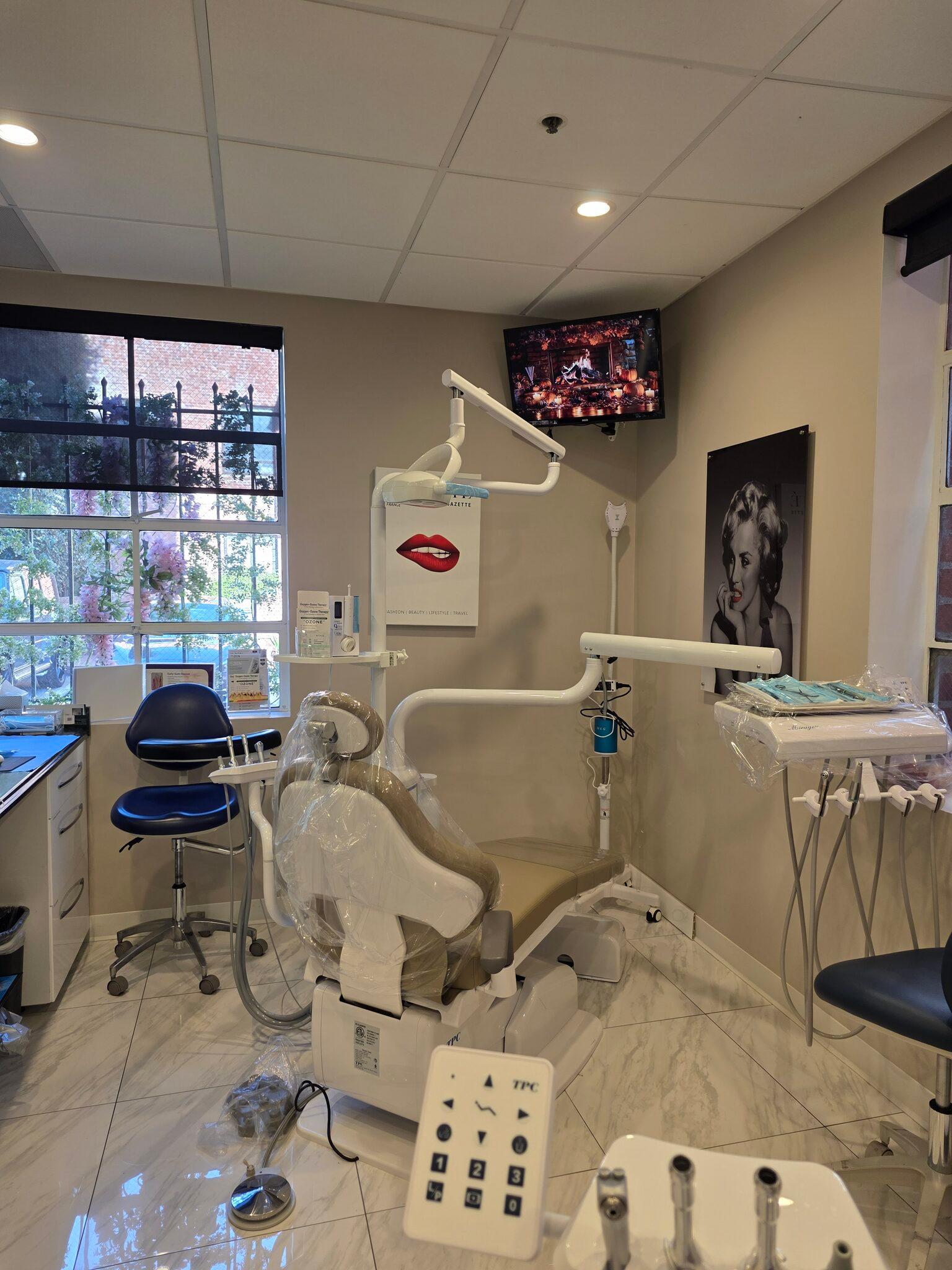
A soft tissue laser and ozone therapy in this office, used alongside deep cleaning. Digital imaging to assess bone levels accurately at a lower radiation dose.

Focus on Patient Comfort
Local anaesthetic for deep cleaning as standard, with sedation available. Deep cleaning has a reputation it does not deserve when it is done with proper anaesthesia and enough time.
Comprehensive Assessment
Pocket depths recorded around every tooth, with X-rays to assess bone level. You get a measured baseline rather than a general impression, and progress is checked against it.
Tailored Treatment Plans
A written plan matched to your stage, whether that is scaling and root planing, laser therapy, or surgical treatment where the conservative approach has not worked.
Advanced Technology
A soft tissue laser and ozone therapy in this office, used alongside deep cleaning. Digital imaging to assess bone levels accurately at a lower radiation dose.
Focus on Patient Comfort
Local anaesthetic for deep cleaning as standard, with sedation available. Deep cleaning has a reputation it does not deserve when it is done with proper anaesthesia and enough time.
WHY PATIENTS CHOOSE US FOR GUM DISEASE TREATMENT
More than thirty years of restorative practice, with gum health assessed at every routine visit rather than only when something has gone wrong. Treatment starts with the least invasive option that addresses your stage, supported by laser therapy and ozone. You receive a written plan covering the treatment and the maintenance interval afterwards, because the follow-up is what decides whether the result holds. Book an assessment with Dr. Shir.
Frequently Asked Questions About Gum Disease Treatment
The questions patients ask most often about gum disease and its treatment.
What are the signs of gum disease?
Red, swollen or tender gums, bleeding when you brush or clean between your teeth, persistent bad breath, receding gums, and in later stages loose teeth or a bite that feels different. Bleeding is the sign most often dismissed and the one worth acting on earliest. Gum disease is usually painless until it is advanced, so waiting for discomfort means waiting too long.
Is gum disease treatment painful?
Deep cleaning is carried out under local anaesthetic, so the appointment itself is comfortable, and sedation is available for anyone anxious about it. Gums are often tender for a few days afterwards and teeth can be temperature-sensitive for a week or two as the tissue tightens against them. Over-the-counter pain relief manages this for most patients.
Can gum disease be cured?
Gingivitis, the earliest stage, is generally reversible with thorough cleaning and improved daily care. Once it has progressed to periodontitis and bone has been lost, that bone does not return on its own. Treatment at that stage stops the destruction and stabilises what remains, which is why periodontal disease is described as managed rather than cured, and why the maintenance visits matter as much as the initial treatment.
Is gum disease treatment covered by insurance?
Scaling and root planing and periodontal maintenance are usually covered at least in part, though most plans apply frequency limits that may not match the interval your case actually needs. Surgical treatment and grafting vary more widely. You receive a written figure before treatment begins, and financing is available.