

Professional Teeth Cleaning in Beverly Hills
Preventive Dentistry
Routine cleanings, deep cleanings and periodontal maintenance. Which one you need is decided by measurements, not by a standard schedule.
Not Every Cleaning Is the Same Appointment
There are three distinct types of cleaning, and they are not interchangeable. A routine cleaning maintains healthy gums. A deep cleaning treats gum disease that has already established itself below the gum line. Periodontal maintenance keeps treated disease from returning. Being recommended the wrong one wastes money in one direction and leaves disease untreated in the other. Which you need is determined by measuring the pocket depth around every tooth, and you are entitled to see those numbers.
TYPES OF CLEANING AND WHAT IS INCLUDED
The three types of cleaning, and everything included in a preventive visit here.
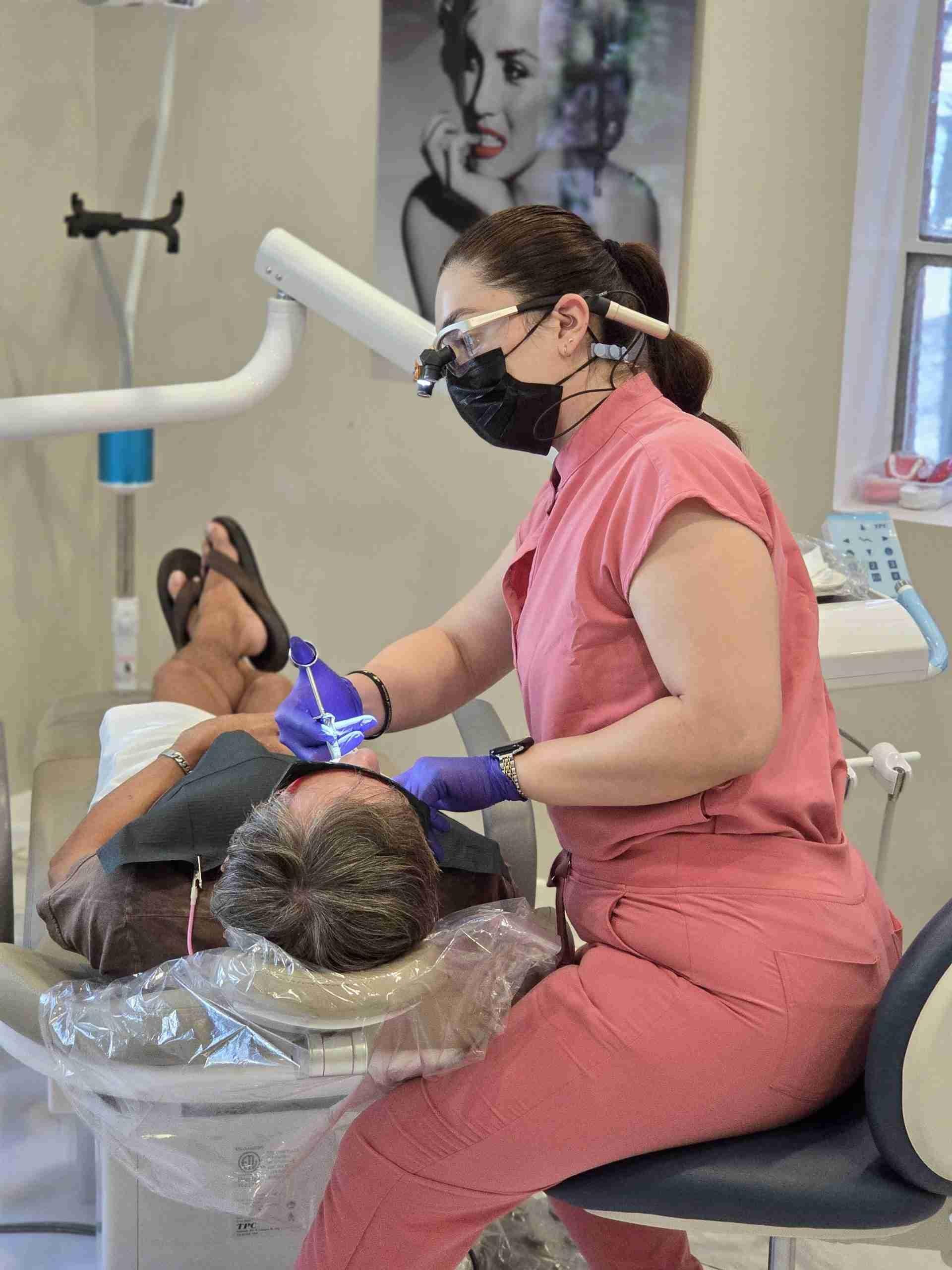
Standard Dental Cleaning (Prophylaxis)
For patients with healthy gums and shallow pockets. Plaque and hardened deposits are removed from the tooth surfaces and just below the gum margin, followed by polishing. No anaesthetic needed, and generally done every six months. This is a preventive procedure, not a treatment.
Deep Cleaning (Scaling and Root Planing)
A treatment for patients with periodontal disease and pockets deeper than normal. It reaches below the gum line to clean the root surfaces and smooth them so the tissue can reattach. Carried out under local anaesthetic, usually across one or two appointments.
Periodontal Maintenance
What follows a deep cleaning. Visits every three to four months rather than every six, because bacteria repopulate the pockets on roughly that timescale. This interval is what determines whether the earlier treatment holds, and returning to six-monthly cleanings is how treated disease comes back.
Comprehensive Oral Examination
Every tooth and existing restoration checked, your bite and any wear patterns reviewed, and X-rays taken at appropriate intervals. Decay between teeth and beneath old fillings is not visible to the eye, which is why imaging is part of a proper preventive visit.
Periodontal Charting
Pocket depths measured and recorded around every tooth, along with bleeding points and recession. This is what distinguishes a routine cleaning from a deep cleaning, and it gives you an objective record to compare against at future visits.
Plaque and Tartar Removal
Plaque hardens into tartar within days and cannot then be removed by brushing at home. Ultrasonic and hand instruments remove it from the tooth surfaces and just below the gum margin, which is the part that matters most.
Air Polishing and Stain Removal
Surface staining from coffee, tea, red wine and tobacco is removed at the end of the cleaning. This is a cosmetic step rather than a health one, and it will not lighten the natural colour of your teeth, which is what whitening does.
Oral Cancer Screening
The soft tissues of the mouth, tongue, throat and neck are checked for anything that has changed. It takes a couple of minutes, forms part of every visit, and matters because oral cancer is often painless in its early stages.
Fluoride Treatment
A concentrated professional application that strengthens enamel and can help remineralise the earliest signs of decay. Particularly worthwhile where roots are exposed, where you have dry mouth, or where decay keeps recurring.
OUR ADVANCED TEETH CLEANING PROCESS
Two things a cleaning is actually protecting you from, both of which develop silently.
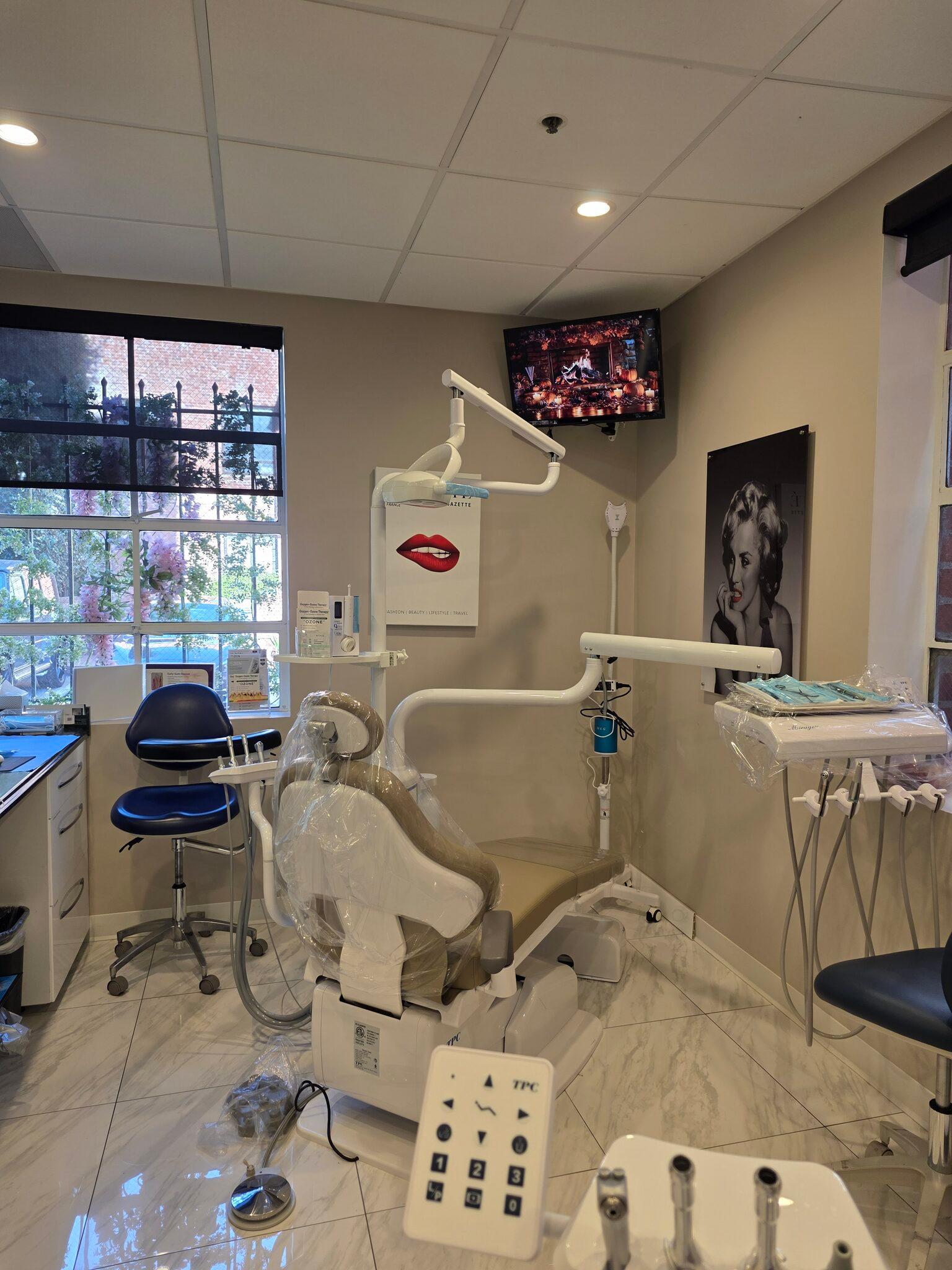
PREVENT CAVITIES
Plaque left undisturbed produces acid that dissolves enamel. Removing it, along with the hardened tartar that brushing cannot shift, reduces the rate at which new decay starts. Digital X-rays at the same visit find early decay between teeth, where a toothbrush never reaches and where you would not notice it for years.
STOP GUM DISEASE EARLY
Gingivitis is reversible. Periodontitis is not, because it destroys bone that does not grow back. The difference between the two is caught at a routine visit through pocket measurements and bleeding points, usually well before you would notice anything beyond occasional bleeding when brushing.
WHY PATIENTS CHOOSE US FOR TEETH CLEANING
A cleaning appointment is where problems are found or missed. What gets checked matters as much as what gets cleaned.

Measured, Not Assumed
Pocket depths charted around every tooth, so the type of cleaning you are recommended is backed by numbers you can see rather than an opinion.

State-of-the-Art Technology
Ultrasonic scalers, air polishing and digital X-rays at a lower radiation dose. Images appear on screen where you can see what we are describing.

Personalized Preventive Care Plans
The right interval depends on your risk, not on a fixed schedule. Some patients need three or four months, others genuinely do well on six.

30+ Years of Experience
More than three decades of practice, with the examination covering existing restorations, bite and soft tissues rather than just the teeth.
Measured, Not Assumed
Pocket depths charted around every tooth, so the type of cleaning you are recommended is backed by numbers you can see rather than an opinion.
State-of-the-Art Technology
Ultrasonic scalers, air polishing and digital X-rays at a lower radiation dose. Images appear on screen where you can see what we are describing.
Personalized Preventive Care Plans
The right interval depends on your risk, not on a fixed schedule. Some patients need three or four months, others genuinely do well on six.
30+ Years of Experience
More than three decades of practice, with the examination covering existing restorations, bite and soft tissues rather than just the teeth.
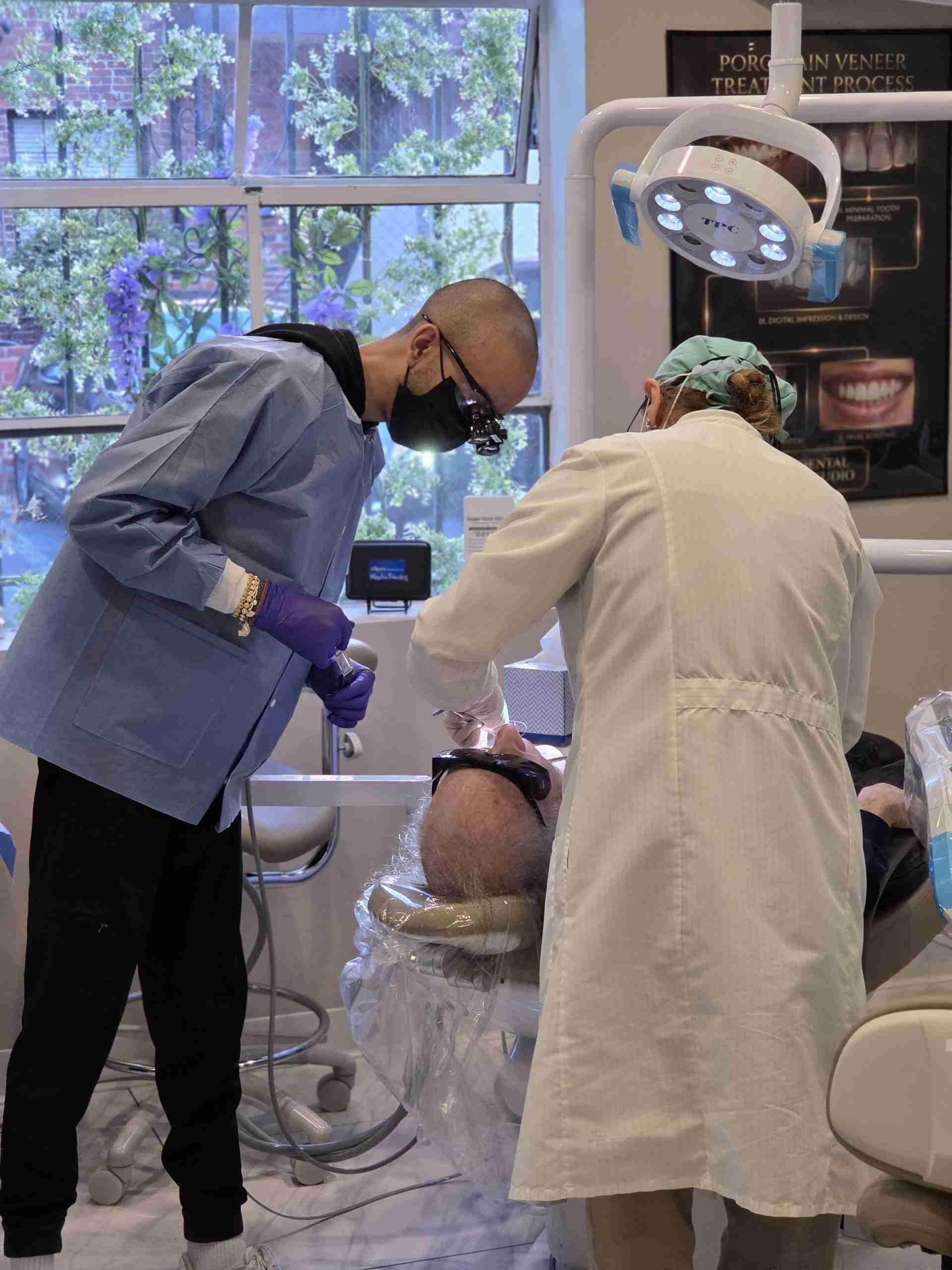
PREVENTIVE CARE PROTECTS MORE THAN YOUR SMILE
A cleaning is more than a fresh start. It is the appointment where decay, gum disease and soft tissue changes are found while they are still simple to deal with. If it has been a while since your last visit, most of what we find now will be smaller than what would be found in another year. Book an appointment with Dr. Shir.
FREQUENTLY ASKED QUESTIONS ABOUT TEETH CLEANING
The questions patients ask most often about professional cleanings.
How often should I get a professional teeth cleaning?
Six months suits most people with healthy gums. Patients with a history of gum disease generally need periodontal maintenance every three to four months, because that is roughly how quickly bacteria repopulate the pockets. Patients with a high decay rate, dry mouth or extensive restorative work also benefit from shorter intervals. Your interval should reflect your risk rather than a default schedule.
Is a professional teeth cleaning painful?
A routine cleaning is not usually uncomfortable, though sensitive teeth or inflamed gums can make it less pleasant, and tell us if that applies to you because we can work around it. A deep cleaning is different and is done under local anaesthetic. If a cleaning has hurt in the past, that is often a sign the gums were inflamed rather than that cleanings hurt.
What is the difference between a regular and a deep cleaning?
A regular cleaning works on the tooth surfaces and just below the gum margin, and it maintains health in patients who already have it. A deep cleaning goes inside periodontal pockets to clean the root surfaces, treats disease that has already established, and needs anaesthetic. The distinction is made by measuring pocket depths, and you should ask to see your chart if a deep cleaning is recommended.
Are teeth cleanings covered by insurance?
Preventive cleanings are the treatment most plans cover best, often at or near full coverage twice a year. Deep cleanings and periodontal maintenance are usually covered too, though frequency limits often apply and may not match what your case clinically needs. Where that gap exists we will tell you what the difference costs.