
Single Tooth Implants in Beverly Hills
Dental Implant Dentistry
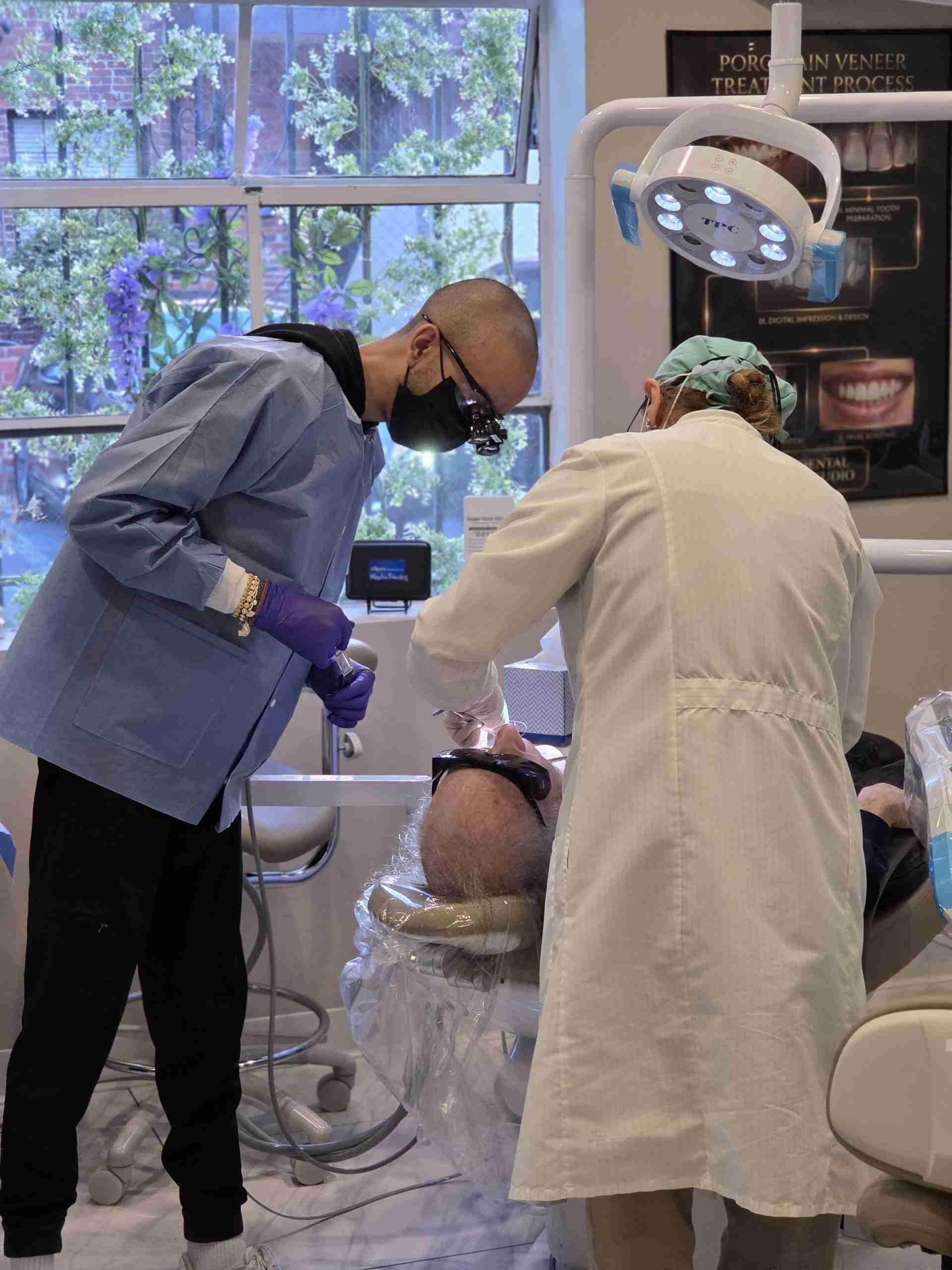
Replace one missing tooth without touching the teeth either side. Planned on a 3D scan taken in this office, then placed and restored by Dr. Shir.
What is a Single Tooth Dental Implant?
A single tooth implant is an artificial tooth root, usually titanium, placed into the jawbone to replace one missing tooth. It has three parts: the post that does the work of the root, an abutment that connects it, and a custom porcelain crown on top. What separates it from a bridge is that the teeth on either side stay untouched. A bridge requires preparing both neighbours for crowns, and enamel removed for that does not come back.
Advanced Technology for Precision & Comfort
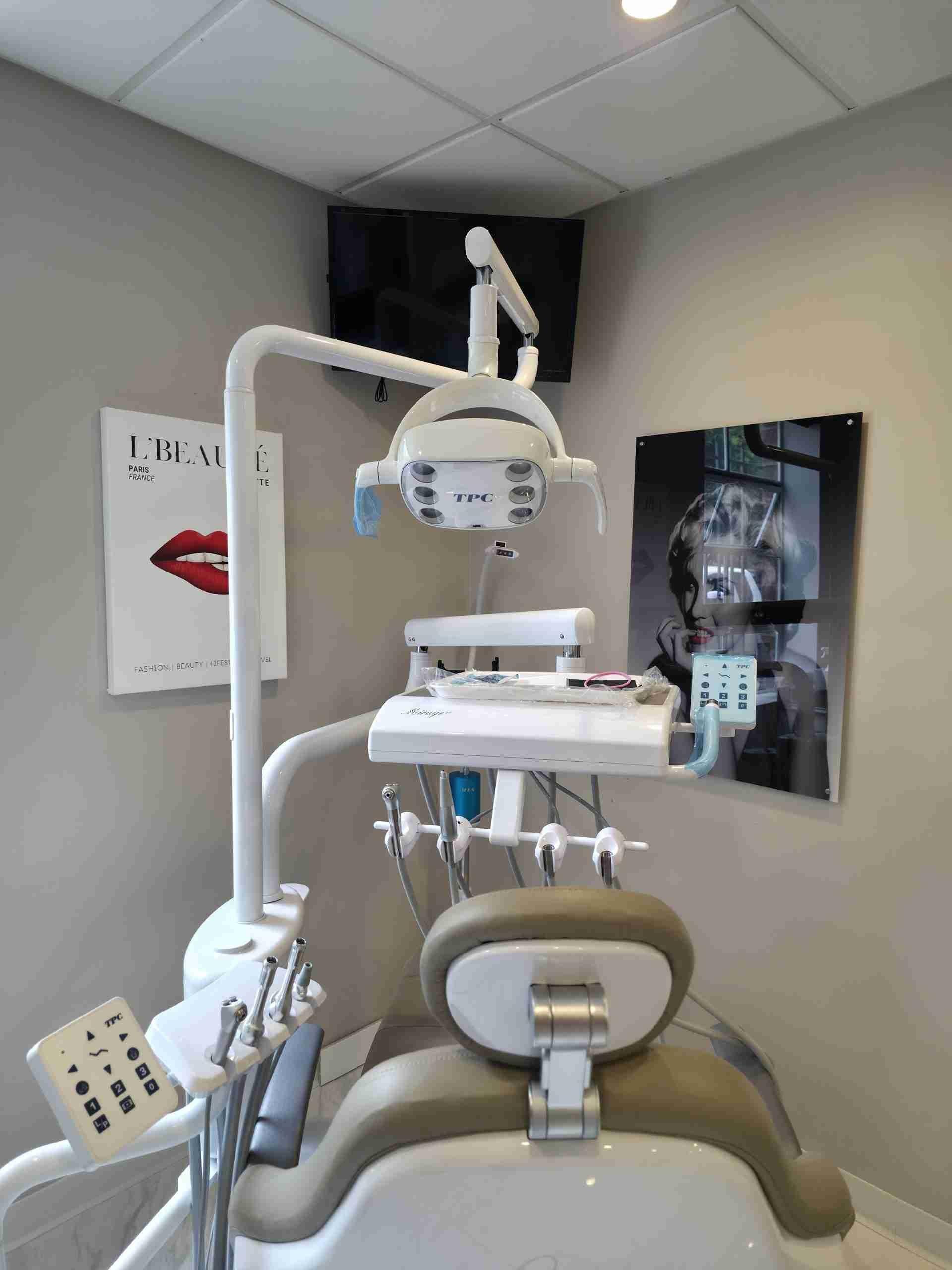
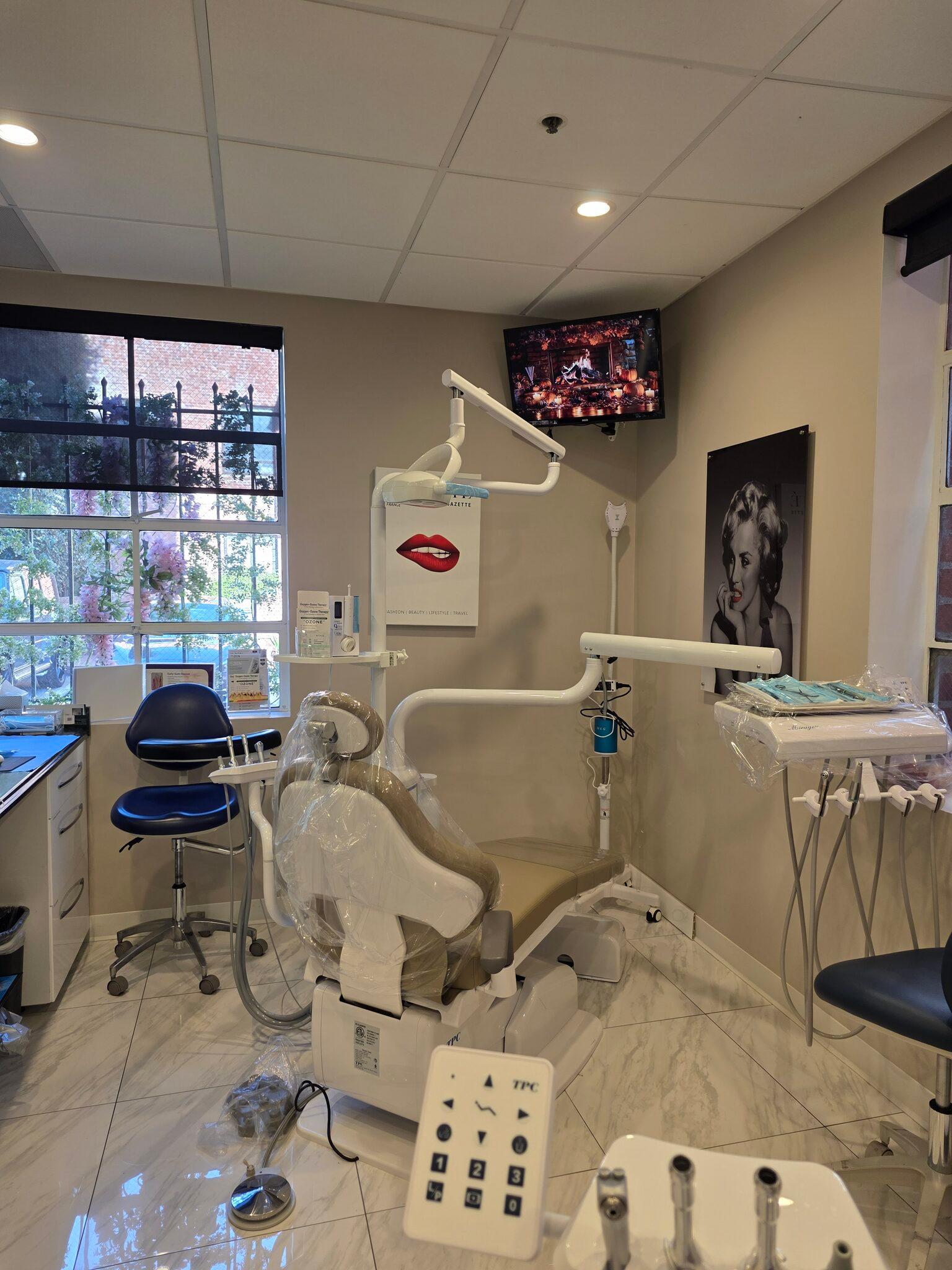
Dr. Shir invested in the equipment most general practices refer out for, so imaging, planning and treatment all happen here. This is what each piece contributes to a single tooth case.
3D Imaging and Digital X-Rays
A cone beam CT scan shows bone height and width, the position of the nerve canal and the floor of the sinus. Flat X-rays cannot measure width, only approximate height, and width is frequently the dimension that decides whether an implant is possible.
Computer-Guided Implant Placement
The implant position is planned on the scan before treatment begins, so the size, angle and depth are decided from your anatomy rather than judged in the moment. Surprises are what make straightforward cases difficult, and planning removes most of them.
Custom-Made Crowns with Digital Impressions
The crown is made from an intraoral scan rather than an impression tray, which means no material in your mouth and a more accurate fit at the margin. Shade is matched against your own teeth in natural light.
Laser Dentistry for Minimally Invasive Procedures
A soft tissue laser is used to shape the gum around the implant site where the tissue needs contouring. It is precise, and it usually means less bleeding and a more comfortable recovery than a scalpel would give.
Durability and Longevity
Implants can last many years, and often decades, when they are well maintained. The crown is the component that wears and commonly needs replacing after roughly ten to fifteen years, usually without disturbing the implant itself.
Preserve Natural Teeth
The single biggest advantage over a bridge. An implant stands on its own, so two healthy neighbouring teeth do not need preparing to hold up a replacement for a third.
Enhanced Comfort and Function
An implant is fixed, so it does not move while you eat or speak. The bite is adjusted at the fitting appointment so the new tooth takes its proper share of the chewing load rather than more or less than it should.
Prevent Bone Loss
Bone maintains density partly by being loaded through a tooth root. When the root goes, resorption follows, and it is usually fastest in the first year. An implant restores that loading at the site, which helps maintain the bone around it.
Natural Aesthetic
The shape of the abutment influences how the gum sits around the finished crown, which is what decides whether a front tooth reads as natural. That is planned rather than left to chance.
Ideal Candidates for Single Tooth Implants
Most people with one missing tooth and reasonable general health are candidates. Two things decide it, and both are assessed at the consultation.
Healthy Gums & Sufficient Bone:
Gum disease needs treating before an implant goes in, since the tissue around an implant behaves much like tissue around a tooth. Where bone volume is short, a graft can often rebuild the site first, though not in every case, and the scan tells us which applies.
Good Overall Health:
Well-controlled diabetes is generally compatible with treatment, while poorly controlled diabetes is associated with slower healing. Smoking is associated with higher failure rates. Some medications, particularly certain osteoporosis drugs, need discussing before any surgery.
Our Single Tooth Implant Process
Four stages, and most of the elapsed time is healing rather than appointments. You receive a written plan with the sequence, the timeline and the cost before anything begins.

Consultation and Planning
Examination, medical history, and a cone beam CT scan taken here. From it Dr. Shir determines whether an implant is appropriate, what size and position it calls for, and whether grafting is needed first.

Implant Placement and Healing
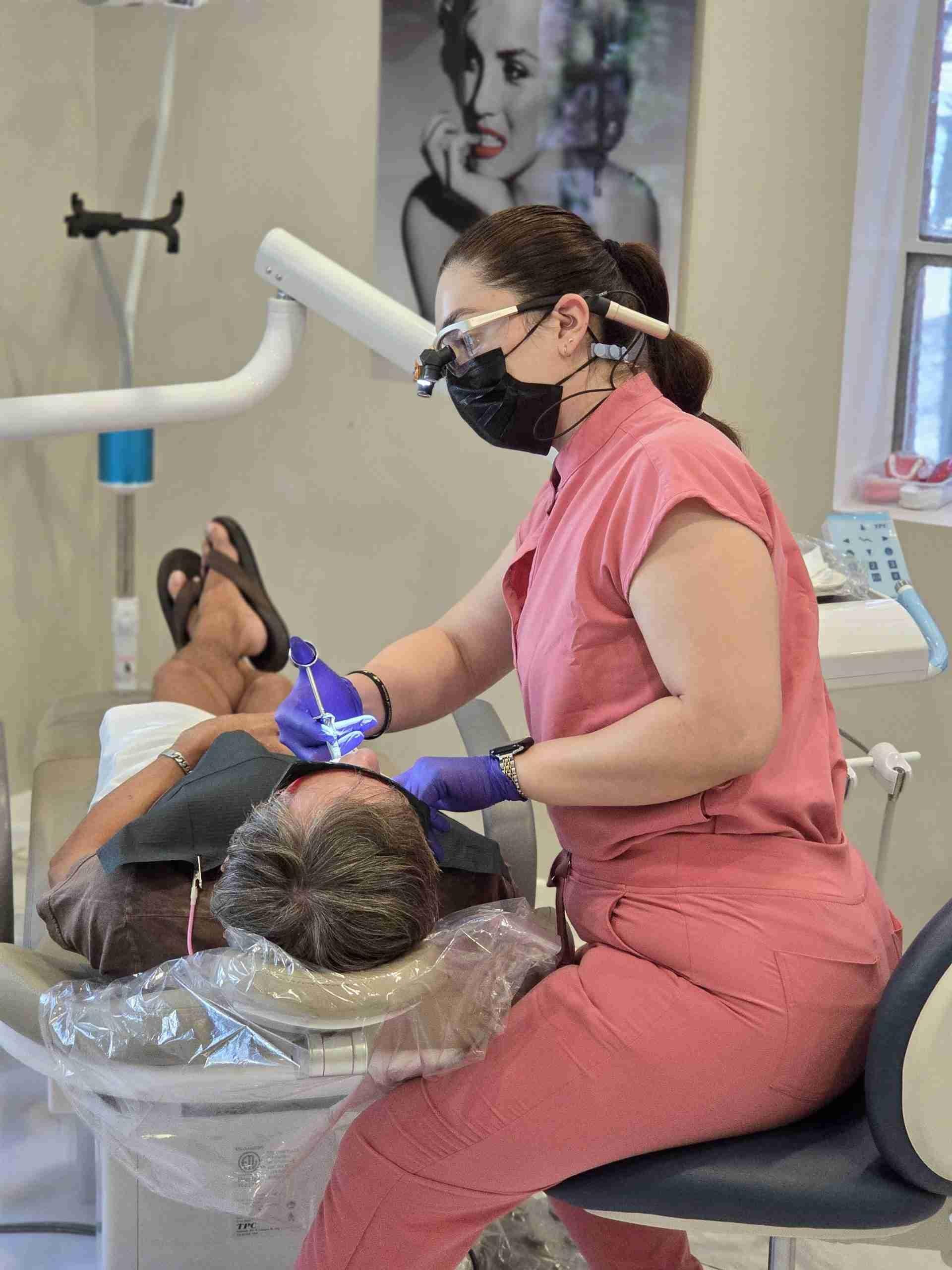
The post is placed under local anaesthetic, with sedation available. The bone then grows into contact with its surface over a period commonly running three to six months. A temporary keeps the space filled wherever the gap shows.

Crown Placement and Final Restoration
Once integration is confirmed, a digital scan is taken and the crown made to it, shaded against your own teeth. It is fitted, the bite is adjusted, and the tooth goes into normal function.

Follow-Up Care
Implant sites are checked at every review. The tissue around an implant can become inflamed in the same way gum tissue does, and that is the most common reason implants are lost years after successful placement. It is largely preventable with good daily cleaning and monitoring.
Consultation and Planning
Examination, medical history, and a cone beam CT scan taken here. From it Dr. Shir determines whether an implant is appropriate, what size and position it calls for, and whether grafting is needed first.
Implant Placement and Healing
The post is placed under local anaesthetic, with sedation available. The bone then grows into contact with its surface over a period commonly running three to six months. A temporary keeps the space filled wherever the gap shows.
Crown Placement and Final Restoration
Once integration is confirmed, a digital scan is taken and the crown made to it, shaded against your own teeth. It is fitted, the bite is adjusted, and the tooth goes into normal function.
Follow-Up Care
Implant sites are checked at every review. The tissue around an implant can become inflamed in the same way gum tissue does, and that is the most common reason implants are lost years after successful placement. It is largely preventable with good daily cleaning and monitoring.
Single Tooth Implant Cost in Beverly Hills
The total covers the implant post, the abutment, the crown and any preliminary treatment such as grafting. You receive a written figure for the full sequence before anything begins, so there is nothing to work out afterwards. Coverage varies considerably by plan, and many plans contribute toward part of the treatment rather than all of it. Financing is available to spread larger plans across manageable monthly payments.
Frequently Asked Questions About Single Tooth Implants
The questions patients ask most often before starting treatment.
How long do single tooth implants last?
Implants can last many years, and often decades, when they are well maintained. The crown is the component that wears and commonly needs replacing after roughly ten to fifteen years, which can usually be done without disturbing the implant itself. Outcomes depend heavily on gum health, smoking status and general health, so maintenance matters as much as the surgery.
Is getting a dental implant painful?
The procedure is carried out under local anaesthetic, with sedation available, and most patients report it as comparable to having a tooth removed. Afterwards, soreness and swelling for around three to five days is typical, managed on over-the-counter pain relief for most people. If discomfort increases rather than settles after the first few days, we want to hear from you.
How long does the implant process take?
For most patients, three to six months from placement to final crown, with the majority of that spent healing rather than in appointments. Cases needing a bone graft first take longer. You are not left with a visible gap during that period, since a temporary covers the site wherever it shows.
Are dental implants covered by insurance?
Coverage varies considerably by plan, and many contribute toward part of the treatment rather than all of it. We will give you a written figure for the full sequence before you commit, and financing is available to spread the cost across monthly payments.