

Deep Cleanings in Beverly Hills
Scaling and Root Planing
Cleaning below the gum line to remove what a routine cleaning cannot reach. Carried out under local anaesthetic, supported by laser therapy and ozone.
What Makes a Cleaning "Deep"
A routine hygiene visit cleans the tooth surfaces you can see and just below the gum margin. A deep cleaning, properly called scaling and root planing, goes further, reaching down inside the periodontal pockets that form when gum disease has taken hold. Scaling removes the hardened deposits from the root surface. Root planing smooths that surface so the gum tissue can reattach against it rather than staying inflamed. It is done under local anaesthetic, usually across one or two appointments, and for most patients with gum disease it is the treatment that resolves the problem without surgery.
WHAT A DEEP CLEANING INVOLVES
Why it is recommended, what happens during the appointment, and what to expect afterwards.

Why a Routine Cleaning Is Not Enough
Once pockets form between the gum and the tooth, deposits collect below the gum line where no toothbrush and no routine cleaning can reach. Those deposits keep the tissue inflamed, and the inflammation keeps destroying the bone underneath. Cleaning only what is visible leaves the cause untouched.
Measuring the Pockets First
Before anything is recommended, the depth of the pocket around every tooth is measured and recorded, along with bleeding points and recession. Healthy pockets measure around one to three millimetres. Deeper readings, particularly with bleeding, are what indicate a deep cleaning is needed rather than a routine one.
Scaling Below the Gum Line
Hardened deposits are removed from the root surfaces inside the pocket using ultrasonic and hand instruments. This is the part that removes the source of the inflammation, and it is the reason the procedure needs anaesthetic and time.
Root Planing
The root surface is smoothed so there is nothing for bacteria to hold onto and so the gum tissue can reattach against the tooth. A rough root surface left behind is where the problem re-establishes fastest.
Laser Therapy Alongside
A soft tissue laser is used to treat the lining of the pocket after scaling, reducing bacteria and inflamed tissue. For many patients this is an alternative to surgical treatment and generally means a more comfortable recovery.
Ozone as an Adjunct
Ozone can be delivered into the cleaned pockets as an additional antimicrobial step. It supplements the mechanical cleaning, which is the part that actually removes the deposits, rather than replacing it.
Comfort During Treatment
The area is thoroughly anaesthetised, so the appointment itself is comfortable, and sedation is available for anyone anxious. Treatment is usually split across one or two visits, often by half the mouth at a time, so no single appointment runs too long.
What to Expect Afterwards
Gums are often tender for a few days and teeth can be temperature-sensitive for a week or two as the tissue tightens against them. Over-the-counter pain relief manages this for most patients. Some patients notice teeth looking slightly longer as swollen tissue settles back to its true position.
Maintenance Is Part of the Treatment
After a deep cleaning, most patients move to maintenance visits every three to four months rather than every six. Bacteria repopulate the pockets on roughly that timescale, and this interval is what determines whether the result holds. It is part of the treatment, not an upsell.
ROUTINE CLEANING OR DEEP CLEANING
They are different procedures for different situations, and the measurements decide which you need.
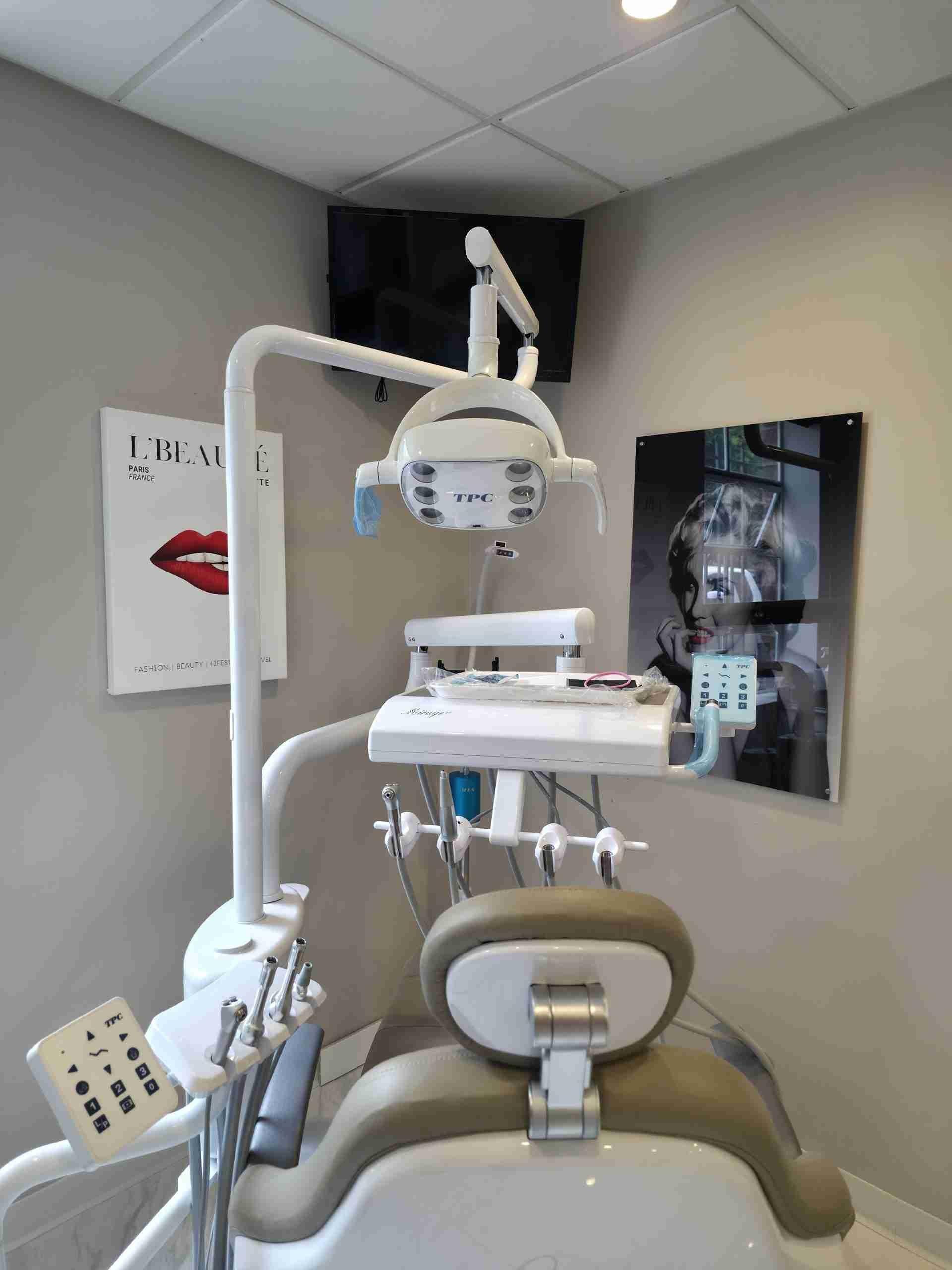
ROUTINE CLEANING:
A preventive procedure for patients with healthy gums and shallow pockets. It removes plaque and hardened deposits from the tooth surfaces and just below the gum margin, and it is generally done every six months without anaesthetic. It maintains health rather than treating disease.
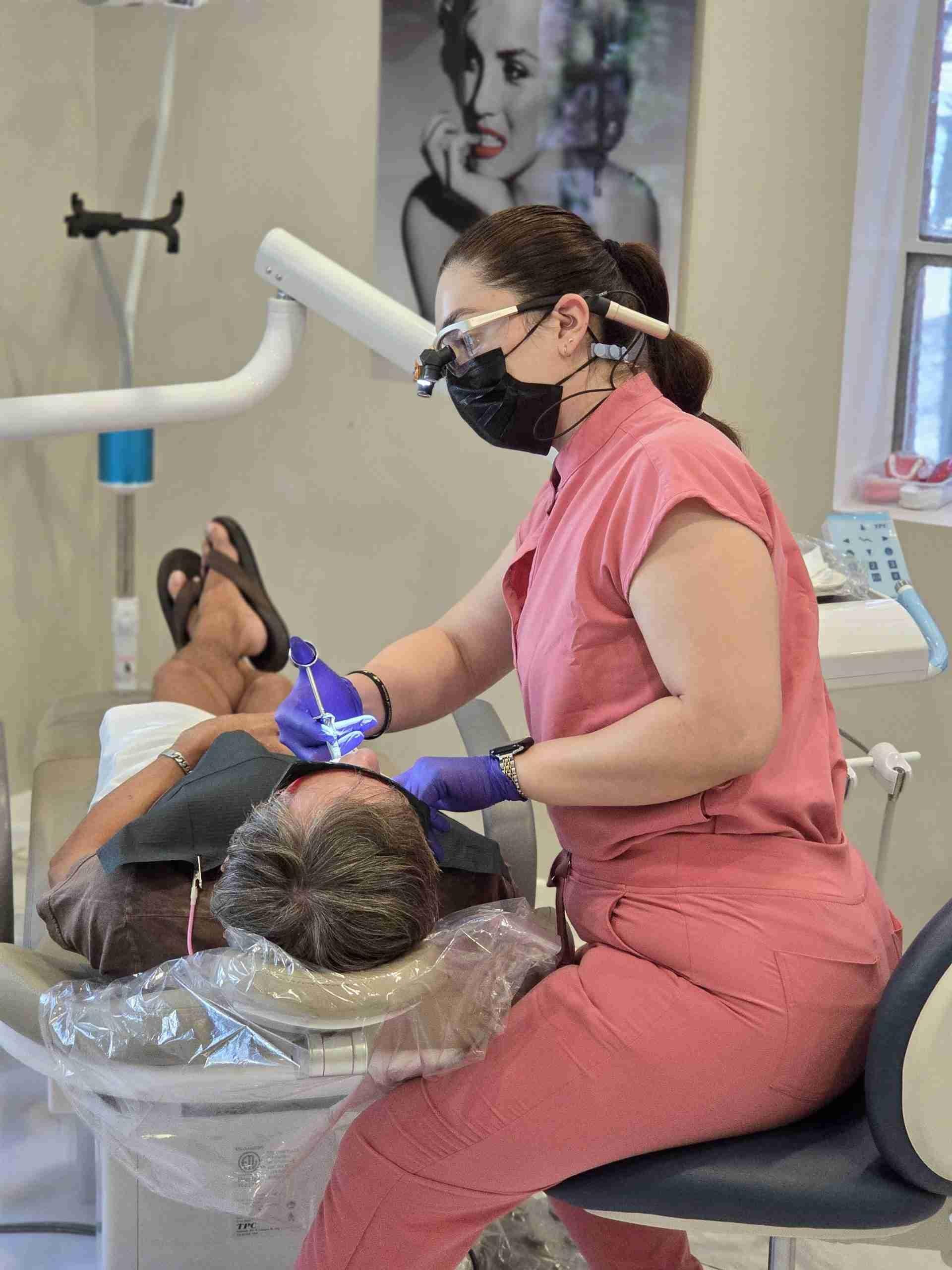
DEEP CLEANING:
A treatment for patients with periodontal disease and pockets deeper than normal. It reaches below the gum line to the root surface, needs local anaesthetic, and is usually done across one or two appointments. It is followed by more frequent maintenance visits rather than a return to six-monthly cleanings.
WHY PATIENTS CHOOSE US FOR DEEP CLEANINGS
Deep cleaning has a poor reputation, and almost all of that comes from it being done too quickly, without enough anaesthetic, or without the follow-up that makes it work.

Anaesthetic and Time as Standard
Thorough local anaesthetic and appointments long enough to do the work properly. Sedation available for anyone anxious about it.

Measured, Not Estimated
Pocket depths recorded around every tooth before and after, so you can see what changed rather than being told it went well.

Laser and Ozone Support
A soft tissue laser and ozone used alongside the cleaning, which for many patients means avoiding surgical treatment altogether.

30+ Years of Experience
More than three decades of practice, with gum health assessed at every routine visit rather than only once a problem is obvious.
Anaesthetic and Time as Standard
Thorough local anaesthetic and appointments long enough to do the work properly. Sedation available for anyone anxious about it.
Measured, Not Estimated
Pocket depths recorded around every tooth before and after, so you can see what changed rather than being told it went well.
Laser and Ozone Support
A soft tissue laser and ozone used alongside the cleaning, which for many patients means avoiding surgical treatment altogether.
30+ Years of Experience
More than three decades of practice, with gum health assessed at every routine visit rather than only once a problem is obvious.
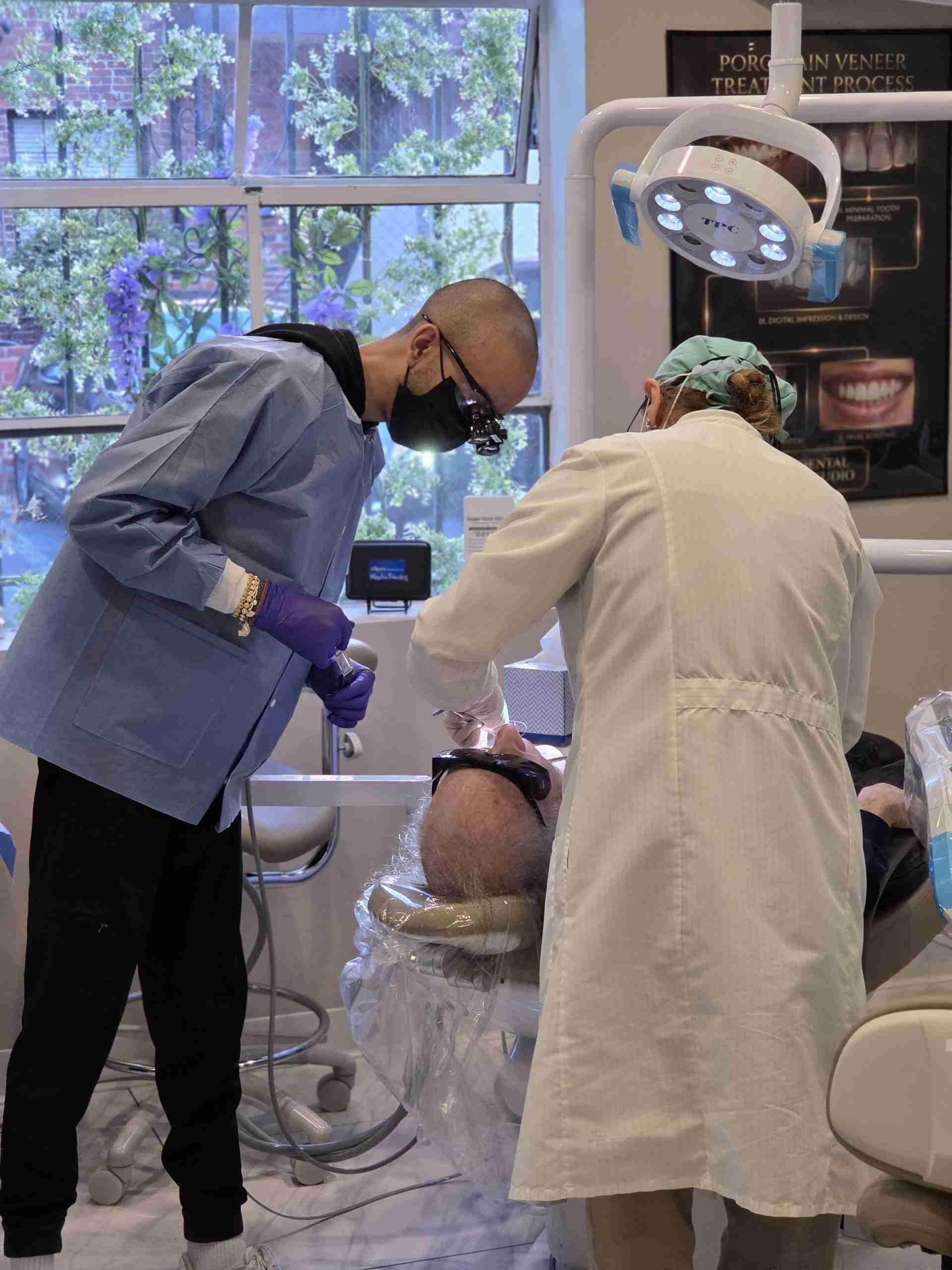
IF YOUR GUMS BLEED WHEN YOU BRUSH
Bleeding gums are not normal and they are not a sign of brushing too hard. They are the most common early indicator of gum disease, and the one most often ignored because it does not hurt. A periodontal examination measures exactly where you stand and takes one appointment. Book an assessment with Dr. Shir.
FREQUENTLY ASKED QUESTIONS ABOUT DEEP CLEANINGS
The questions patients ask most often before treatment.
Do I really need a deep cleaning, or is this an upsell?
A fair question, and the answer should always be in the measurements. A deep cleaning is indicated when pocket depths around your teeth exceed the normal range, usually with bleeding and often with bone loss visible on X-rays. Ask to see your pocket chart. If the readings are within normal limits, you do not need one, and we will tell you that.
Is a deep cleaning painful?
The area is thoroughly anaesthetised, so the appointment itself is comfortable, and sedation is available. Afterwards, gums are often tender for a few days and teeth can be temperature-sensitive for a week or two as the tissue tightens. Over-the-counter pain relief manages this for most patients.
How many appointments does it take?
Usually one or two. Many cases are treated half the mouth at a time, which keeps each appointment to a manageable length and means only one side is numb at once. A follow-up appointment a few weeks later re-measures the pockets to confirm the tissue has responded.
Will I need deep cleanings every time from now on?
No. After the initial treatment, most patients move to periodontal maintenance visits every three to four months, which are shorter and generally do not need anaesthetic. That interval is what keeps the bacterial load down. If the disease stays stable over time, the interval can sometimes be extended.