
Full Arch Dental Implants in Beverly Hills
Dental Implant Dentistry
A fixed set of teeth carried by a small number of implants, for patients missing most or all of an arch or living with a denture that will not stay put. Planned on a 3D scan taken in this office.
What Are Full Arch Dental Implants?
Full arch implants replace a complete upper or lower arch using a few strategically placed implants to carry a fixed set of teeth. Rather than one implant per tooth, the load is shared across a smaller number positioned where the bone can support them. Unlike a conventional denture, the result is fixed in place, so it does not move while you eat or speak and it is not removed at night. Where the bone permits, this is one of the larger changes dentistry can make to daily life, and it is planned entirely from your scan.
The Technology Behind Full Arch Dental Implants
A full arch case depends more on planning than on any single step in the surgery. This is what each part of the process contributes.

3D Imaging and Digital Scans
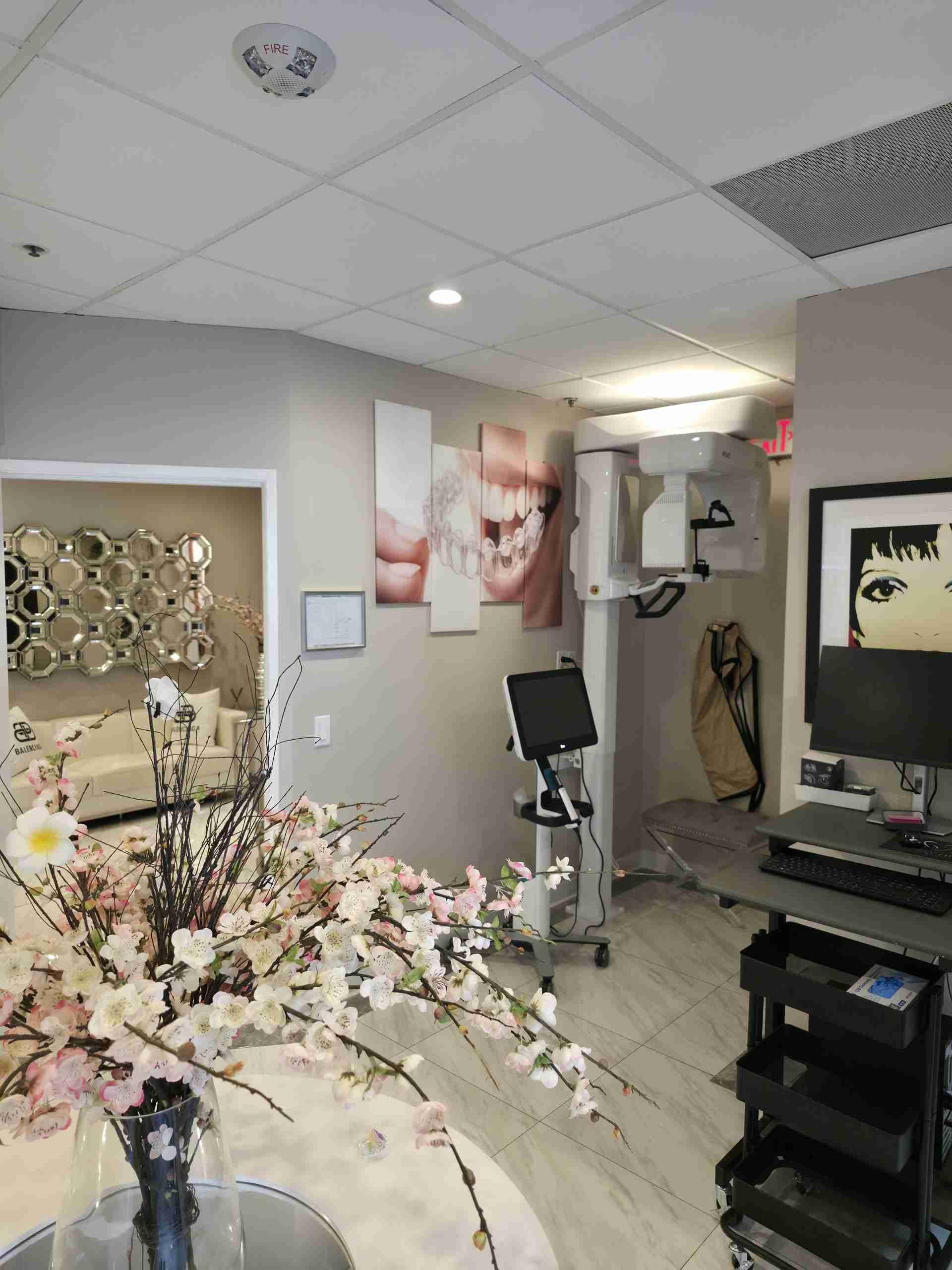
A cone beam CT scan maps bone height, width and density across the whole arch, along with the nerve canal in the lower jaw and the sinus floor in the upper. In a full arch case the implants go where the usable bone is, so the scan effectively determines the plan.
Computer-Guided Implant Placement
Positions, angles and depths are decided on the scan before treatment begins. Angled placement is often used to reach denser bone and avoid the sinus, which in many cases removes the need for grafting that would otherwise be required.
Custom-Designed Prosthetics
The arch that sits on the implants is designed to your face, not to a stock template. Tooth length, midline, the way the teeth show when you smile and how they support the lip are all decided at the design stage and reviewed with you.
Minimally Invasive Techniques
Careful planning keeps the surgery contained to what the case requires. A soft tissue laser is used where tissue needs contouring, which usually means less bleeding and a more comfortable recovery.
Long-lasting Solution
Implants can last many years, and often decades, when they are well maintained. The prosthetic arch on top is the component that wears, and it can generally be replaced or refurbished without disturbing the implants underneath.
Natural Look and Feel
Because the arch is fixed and supported by bone rather than resting on gum tissue, it does not shift while you chew. Most patients describe eating as closer to natural teeth than to a denture, particularly on the lower jaw.
Stable and Secure Fit
No adhesive and no movement. The instability of a lower denture is the most common complaint among denture wearers, and it is the problem full arch implants are best suited to solving.
Enhanced Comfort
A conventional upper denture covers the palate, which affects taste and can trigger a gag reflex. A fixed arch does not, so the palate stays uncovered.
Preservation of Jawbone
Bone maintains density partly by being loaded through tooth roots. Once teeth are gone, resorption follows, and denture wearers commonly notice their denture loosening over the years as a result. Implants restore loading at the sites where they are placed.
A Beautiful Smile in 2 Easy Steps
The first two stages set up everything that follows. Both happen before any prosthetic work begins.
CONSULTATION AND PLANNING:
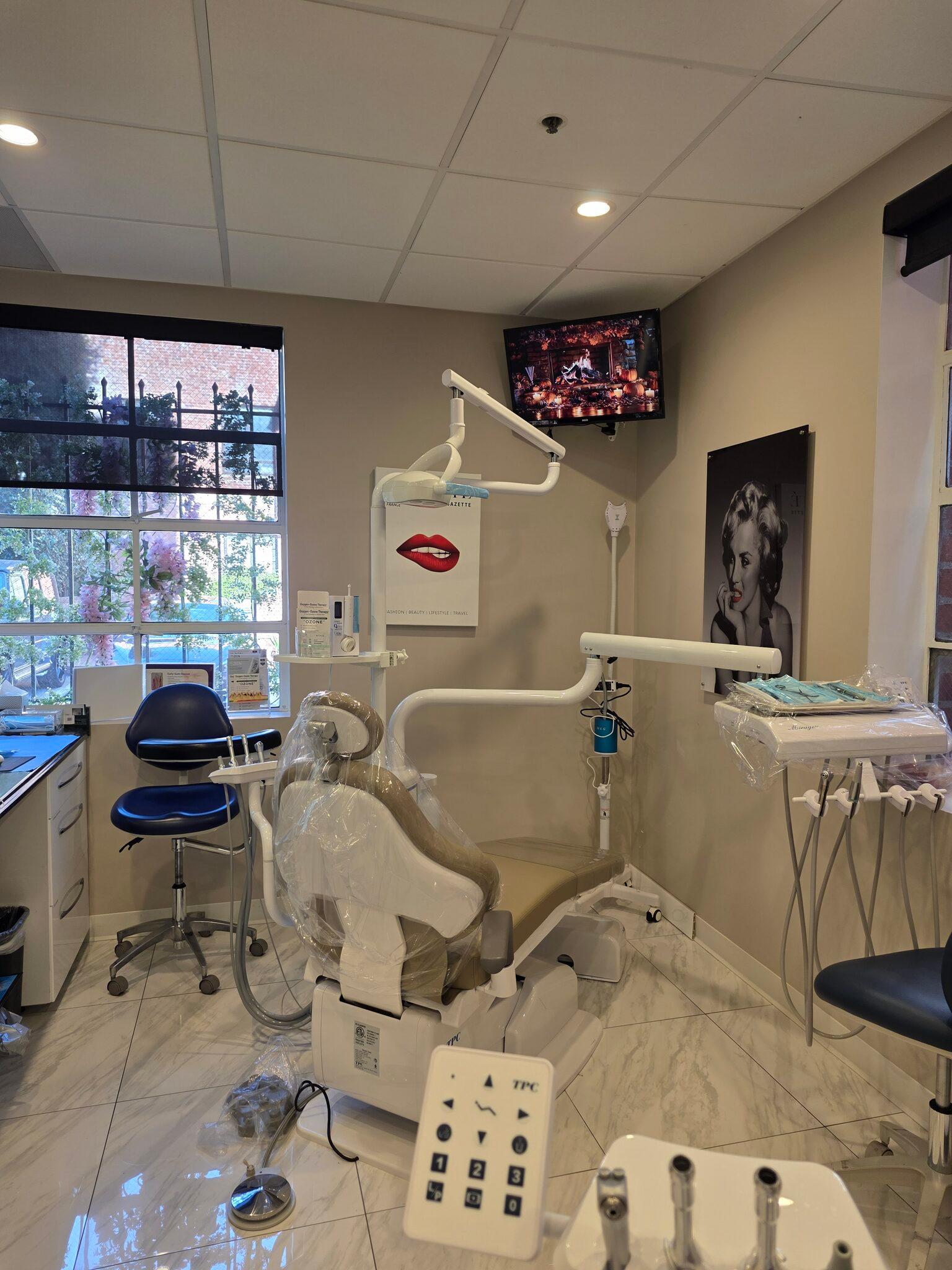
Dr. Shir assesses your oral health and general health, takes a cone beam CT scan here in the office, and builds a plan from it. That plan covers how many implants your case calls for, where the bone supports them, and the sequence and timeline for the whole treatment. You receive it in writing with the cost before anything begins.
IMPLANT PLACEMENT:
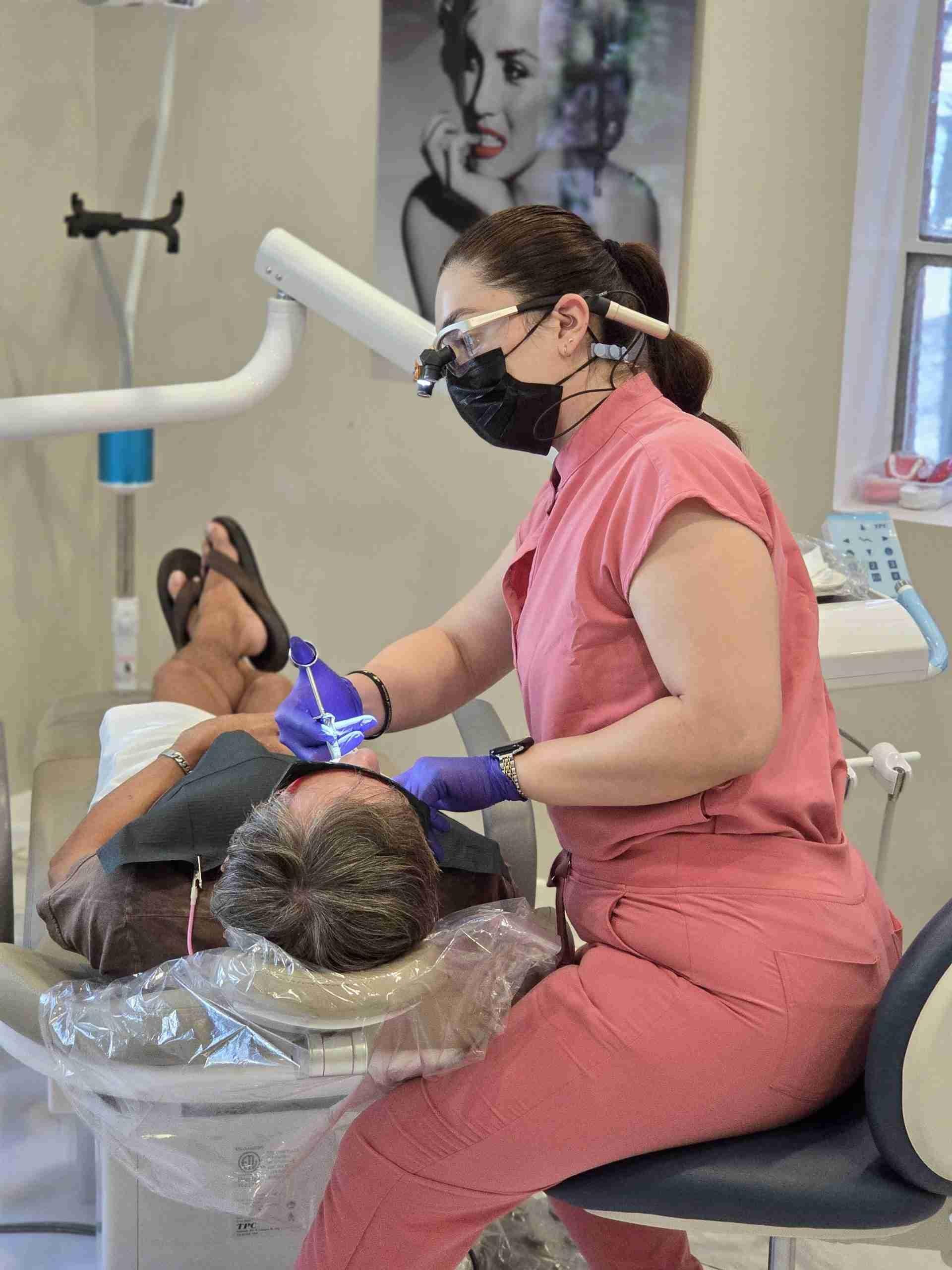
A small number of implants are placed into the jawbone in the positions the scan identified, under local anaesthetic with sedation available. Angled placement is often used to reach denser bone, which in many cases avoids grafting. A healing period follows before the final arch is fitted.
Are Full Arch Dental Implants Right for You?
Full arch treatment suits a defined group of patients. These are the situations where it tends to be the strongest option, and the assessment confirms whether it applies to you.

Missing Most or All Teeth
Where most or all of the teeth in an arch are missing or failing, a full arch restoration addresses the whole arch at once rather than treating teeth one at a time in a mouth that is still deteriorating.

Dissatisfied with Dentures
The lower jaw gives a conventional denture very little to grip, and instability while eating is the most common complaint we hear. Implant support removes the movement, and for many patients that changes what they are able to eat.

Good General Health
General health that supports healing matters here more than in a single implant case. Well-controlled diabetes is generally compatible with treatment. Smoking is associated with higher failure rates. Where bone volume is short, grafting can often build the site first.

Seeking a Long-Term Solution
Full arch treatment is a larger commitment upfront than a denture, and it is chosen by patients who want a fixed result they maintain rather than an appliance they manage. Daily cleaning under the arch is part of that, and we will show you how.
Missing Most or All Teeth
Where most or all of the teeth in an arch are missing or failing, a full arch restoration addresses the whole arch at once rather than treating teeth one at a time in a mouth that is still deteriorating.
Dissatisfied with Dentures
The lower jaw gives a conventional denture very little to grip, and instability while eating is the most common complaint we hear. Implant support removes the movement, and for many patients that changes what they are able to eat.
Good General Health
General health that supports healing matters here more than in a single implant case. Well-controlled diabetes is generally compatible with treatment. Smoking is associated with higher failure rates. Where bone volume is short, grafting can often build the site first.
Seeking a Long-Term Solution
Full arch treatment is a larger commitment upfront than a denture, and it is chosen by patients who want a fixed result they maintain rather than an appliance they manage. Daily cleaning under the arch is part of that, and we will show you how.
FULL ARCH DENTAL IMPLANTS: AN ALTERNATIVE TO DENTURES
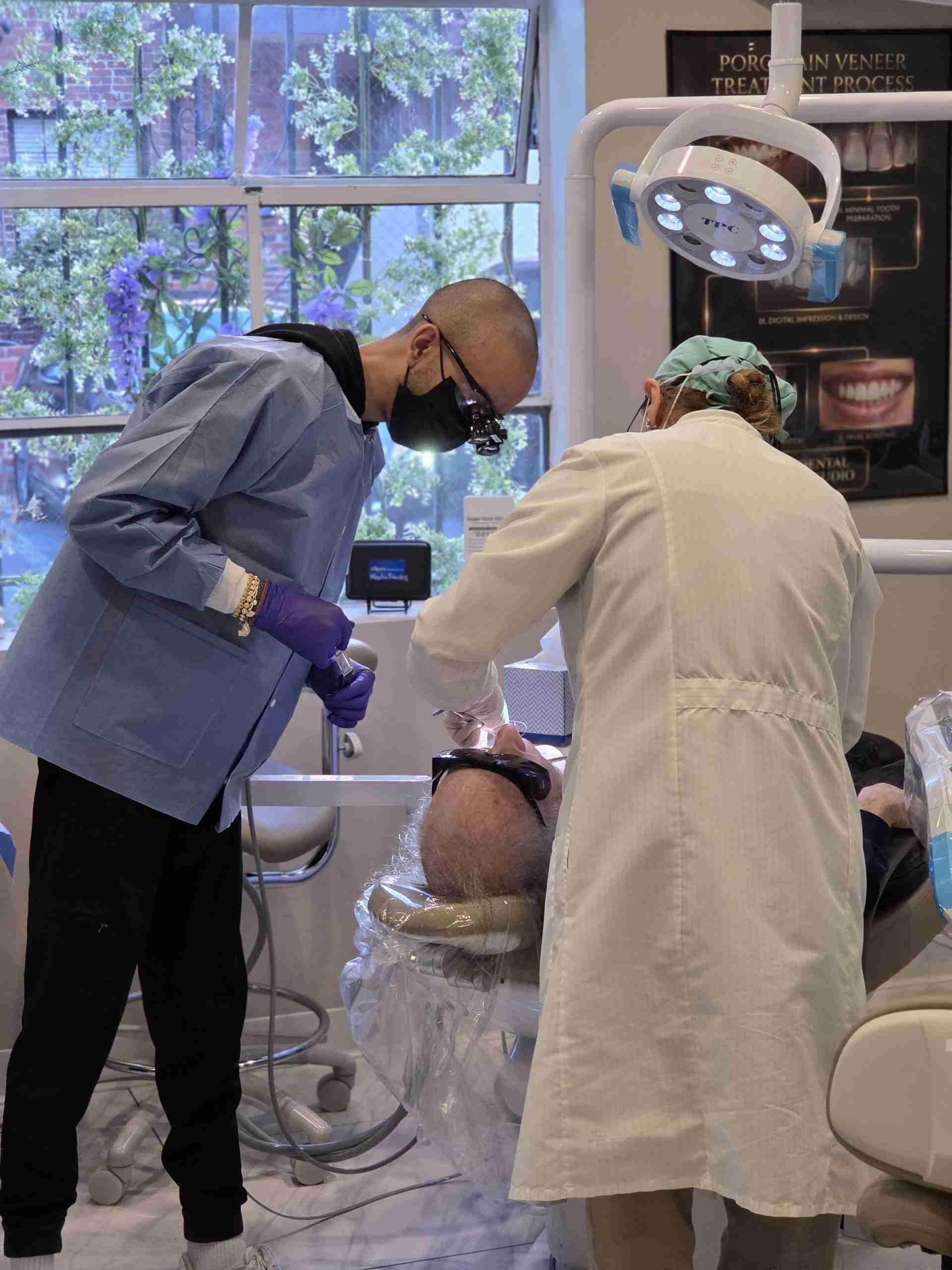
If missing teeth or a loose denture are affecting how you eat, speak and smile, there is another option worth understanding. Full arch implants secure a complete arch of replacement teeth on a small number of implants, fixed in place with no adhesive and no movement. They restore chewing strength, help maintain the bone where they are placed, and can serve for many years with good care. Most patients return to normal activities within a few days. Book a consultation with Dr. Shir and find out whether full arch treatment fits your case.
Frequently Asked Questions About Full Arch Implants
The questions patients ask most often before starting treatment.
How long do full arch dental implants last?
The implants themselves can last many years, and often decades, when they are well maintained. The prosthetic arch on top is the part that wears and is generally replaced or refurbished at intervals, usually without disturbing the implants underneath. Outcomes depend heavily on gum health, smoking status, general health and daily cleaning around the arch.
Is the full arch implant procedure painful?
Treatment is carried out under local anaesthetic, with sedation available, and it is a longer appointment than a single implant. Soreness and swelling for several days afterwards is normal and is managed with the pain relief and aftercare instructions you are given. Most patients report the recovery as more manageable than they expected.
Are full arch implants better than dentures?
For most patients troubled by denture movement, particularly on the lower jaw, implants solve the specific problem a denture cannot. They are fixed, they do not need adhesive, and an upper arch does not cover the palate. Dentures remain the right answer where bone volume, general health or budget rule implants out, and we will tell you honestly which applies to your case.
Are full arch dental implants covered by insurance?
Coverage varies considerably by plan, and many contribute toward part of the treatment rather than all of it. You receive a written figure for the full sequence before you commit, and financing is available to spread the cost across manageable monthly payments.