
Gum Contouring in Beverly Hills
Cosmetic Gum Treatment
Reshaping the gum line so it frames your teeth evenly. Carried out with a soft tissue laser, and planned before any veneers or crowns are designed to it.
The Frame Matters as Much as the Teeth
Gum contouring reshapes the gum line to correct an uneven or excessive contour. It is one of the more overlooked cosmetic treatments, because most people looking at their smile focus on the teeth themselves. In practice, a gum line that sits lower on one tooth than its neighbour, or covers too much of the teeth generally, will make a smile look wrong even when every tooth is a perfectly good shape and colour. The teeth are not touched at all. Only the tissue framing them is adjusted, which makes this one of the most conservative changes available in cosmetic dentistry.
WHAT GUM CONTOURING CAN CORRECT
The situations it addresses, how it is carried out, and where it sits in a wider treatment plan.

A Gummy Smile
Where teeth of a normal size are partly covered by excess tissue, they look short and the smile looks gum-heavy. Reshaping the gum line reveals the proportions that were already there without altering a single tooth.
An Uneven Gum Line
One tooth sitting noticeably lower or higher than its neighbours draws the eye, and most people notice the asymmetry without being able to say what is causing it. Evening out the contour usually makes more visible difference than anything done to the teeth.
Teeth That Look Different Lengths
Where teeth appear mismatched in length but are actually a normal size, the difference is in the gum rather than the tooth. Contouring corrects it conservatively, where veneers would mean preparing enamel to achieve the same visual result.
Preparing for Veneers or Crowns
Where restorations are planned, the gum line is corrected first and allowed to settle. Veneers designed to a gum line that is about to change will inherit the problem, which is one of the more common reasons cosmetic cases have to be redone.
Carried Out With a Soft Tissue Laser
The laser reshapes the tissue precisely and seals small blood vessels as it works, so there is typically minimal bleeding, often no sutures, and a more comfortable recovery than a scalpel approach.
Designed Against Your Face
How much tissue to remove is decided against your lip line, your smile line and your facial proportions, not against a standard measurement. Removing too much is not reversible, so the plan is agreed before anything starts.
When Bone Is Involved
In some cases the bone level, not just the gum, determines where the tissue sits. Where that applies, the procedure becomes crown lengthening rather than simple contouring, and it is a different plan. The assessment establishes which yours is.
A Short Procedure
Most cases are completed in one appointment under local anaesthetic. Treatment usually takes under an hour depending on how many teeth are involved, and most patients return to normal activity the same day.
Healing and Settling
The tissue is tender for a few days and looks its final shape after it has settled over the following weeks. Where restorations are planned afterwards, that settling period is built into the sequence rather than rushed.
CONTOURING OR CROWN LENGTHENING
They look similar from the outside and they are different procedures. The assessment decides which your case actually needs.
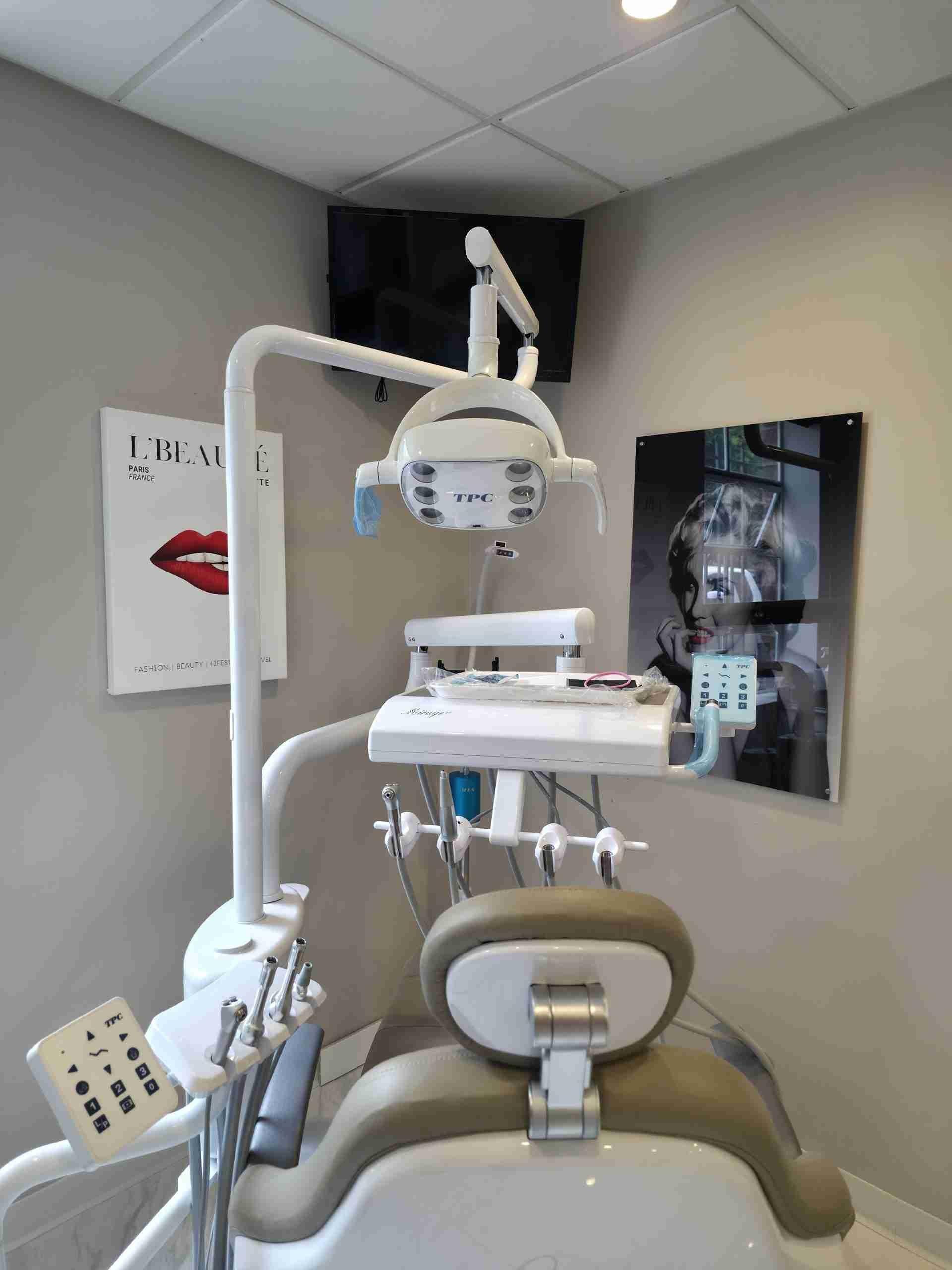
GUM CONTOURING:
Reshapes gum tissue only, where the tissue itself is the reason the gum line sits where it does. A short single appointment, usually with a laser, minimal recovery, and generally classed as cosmetic. Suited to correcting a gummy smile or evening out an uneven contour.
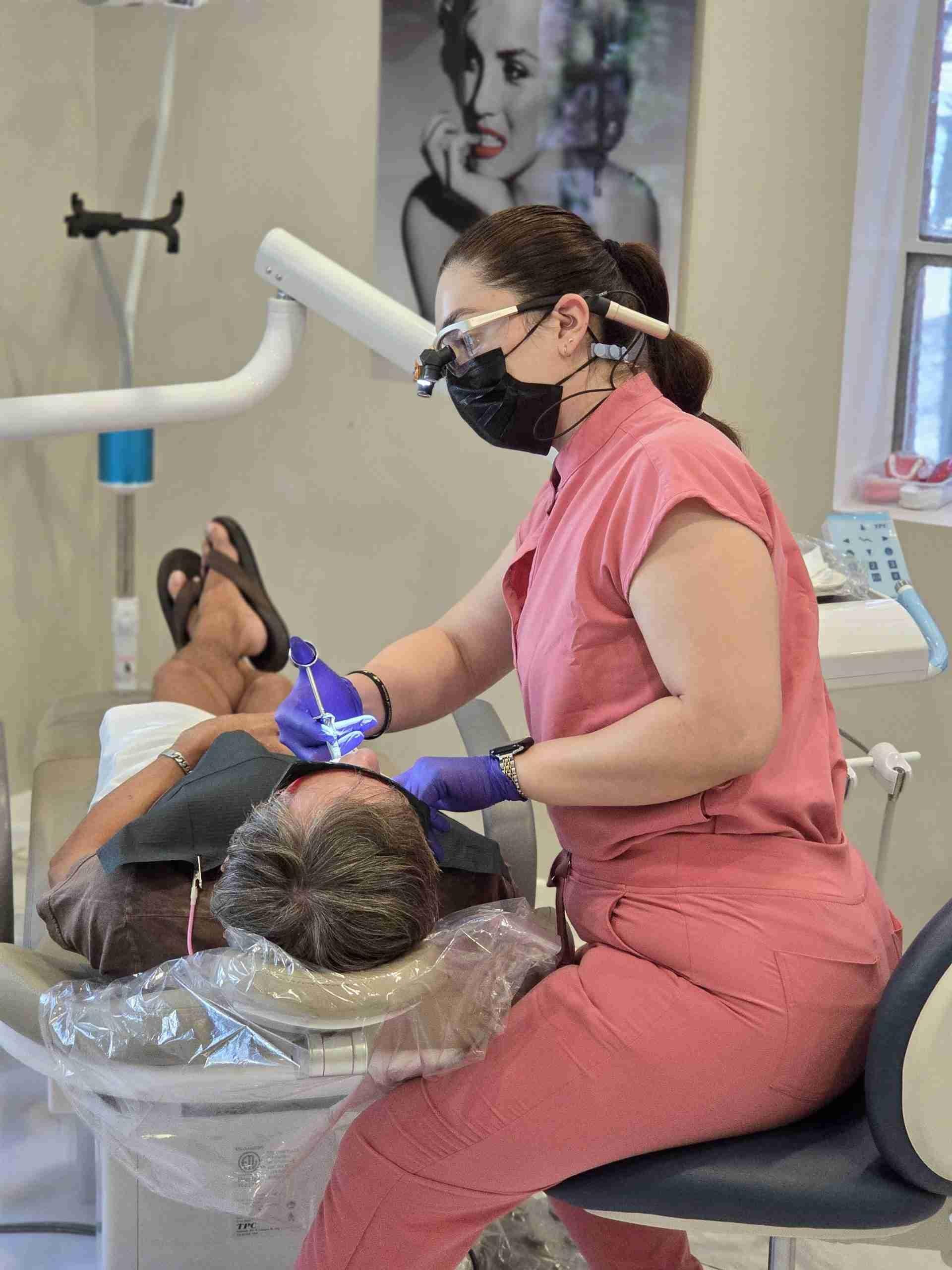
CROWN LENGTHENING:
Involves removing a small amount of bone as well as gum, where the bone level is what determines the tissue position. Also used functionally, to expose enough sound tooth for a crown to seal against. A longer recovery, and often covered by insurance when done for restorative reasons.
WHY PATIENTS CHOOSE US FOR GUM CONTOURING
Tissue removed does not come back, so the planning matters more than the procedure.

Planned Before It Is Done
How much tissue to remove is designed against your face and agreed with you beforehand. This is not a decision made with the handpiece already in your mouth.

Soft Tissue Laser
Precise reshaping with minimal bleeding, usually no sutures, and a more comfortable recovery than a scalpel approach.

Sequenced With Your Restorations
Where veneers or crowns are planned, contouring comes first and the tissue is allowed to settle before anything is designed to the new gum line.

30+ Years of Experience
More than three decades of restorative and cosmetic practice, including cases combining gum work with veneers and crowns.
Planned Before It Is Done
How much tissue to remove is designed against your face and agreed with you beforehand. This is not a decision made with the handpiece already in your mouth.
Soft Tissue Laser
Precise reshaping with minimal bleeding, usually no sutures, and a more comfortable recovery than a scalpel approach.
Sequenced With Your Restorations
Where veneers or crowns are planned, contouring comes first and the tissue is allowed to settle before anything is designed to the new gum line.
30+ Years of Experience
More than three decades of restorative and cosmetic practice, including cases combining gum work with veneers and crowns.
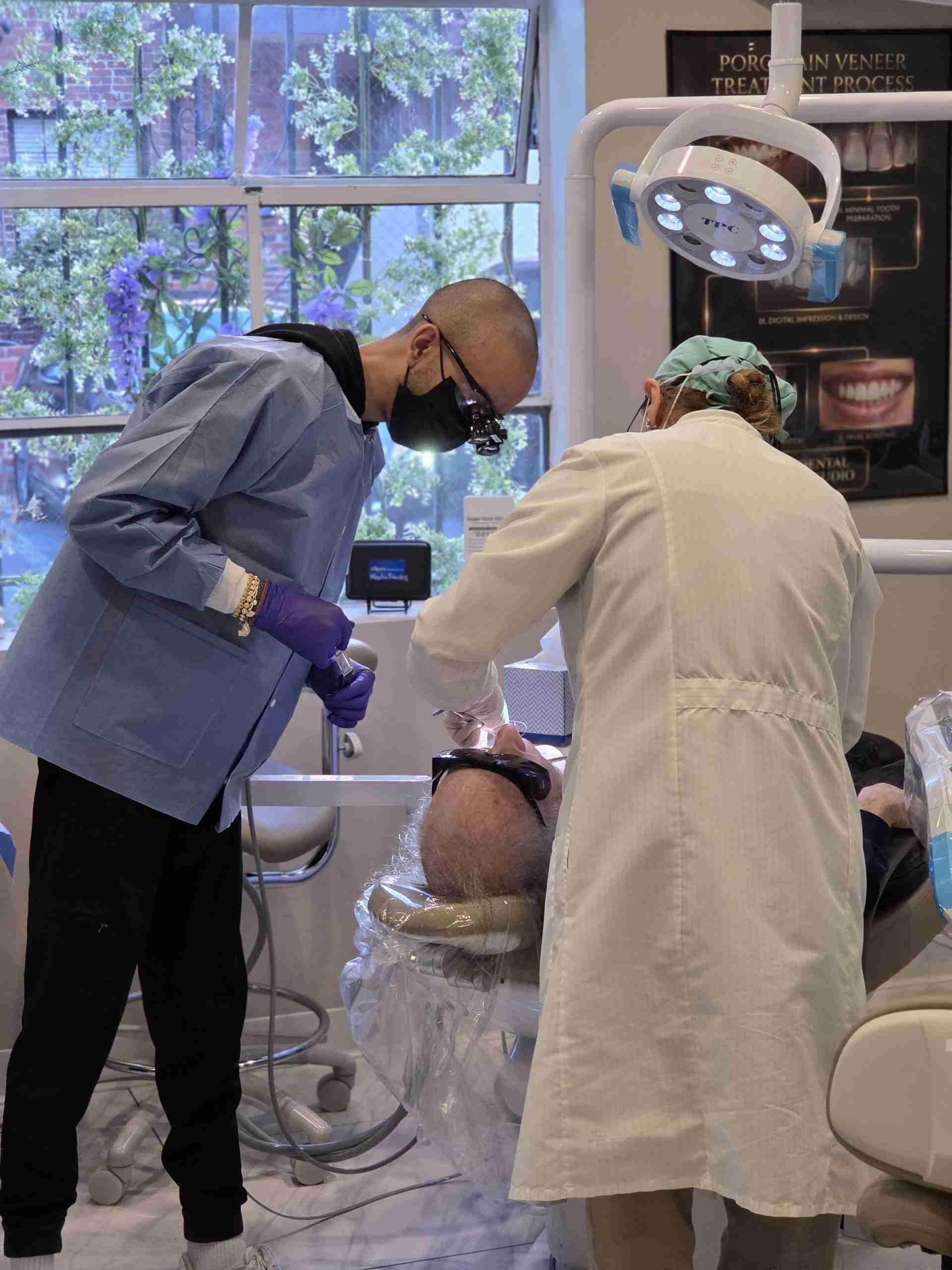
SOMETIMES IT IS THE GUMS, NOT THE TEETH
If your teeth look short, uneven, or your smile shows more gum than you would like, the answer may be a straightforward reshaping of the tissue rather than anything done to the teeth themselves. A consultation will tell you whether contouring alone would achieve what you want, or whether crown lengthening is the more appropriate procedure. Book an assessment with Dr. Shir.
FREQUENTLY ASKED QUESTIONS ABOUT GUM CONTOURING
The questions patients ask most often before treatment.
Is gum contouring painful?
The area is thoroughly anaesthetised, so the procedure itself is comfortable, and sedation is available for anyone anxious. Afterwards, expect tenderness for a few days, generally managed with over-the-counter pain relief. Where a laser is used rather than a scalpel, recovery tends to be quicker and more comfortable.
Will the gum grow back?
Properly contoured tissue generally holds its new position. The tissue settles over the weeks after treatment and what you see at the end of that period is the result. Where the bone level rather than the tissue was the underlying cause and only gum was removed, some rebound is possible, which is exactly why the assessment establishes whether you need contouring or crown lengthening.
How long does it take to heal?
Most patients are comfortable within a few days, with a soft diet and gentle cleaning of the area early on. The tissue continues settling to its final shape over the following weeks. Where veneers or crowns are planned afterwards, that settling period is built into the treatment sequence deliberately.
Is gum contouring covered by insurance?
Where it is done purely to improve appearance, it is generally classed as cosmetic and not covered. Where reshaping is necessary for restorative reasons or to treat a periodontal problem, most plans contribute. You receive a written figure before treatment begins, and financing is available.