

Digital Dental Scanning in Beverly Hills
Dental Technology
A small wand captures your teeth as an accurate 3D model in a few minutes. No trays, no material setting in your mouth, and a better fit on everything we make from it.
No More Impression Trays
An intraoral scanner is a handheld wand that photographs your teeth from every angle and builds an accurate three-dimensional model on screen as it goes. It replaces the conventional impression: the tray, the putty that sets in your mouth, the gagging, and the wait to find out whether it came out well enough to use. Beyond comfort, the accuracy is better, particularly at the margin where a crown or veneer meets the tooth. That margin is where restorations succeed or fail over the following decade, so the improvement is not cosmetic. If a scan has a flaw, we see it immediately on screen and rescan that area in seconds rather than discovering the problem when the laboratory calls.
WHAT WE USE THE SCANNER FOR
Where digital scanning replaces conventional impressions, and what it changes about each treatment.
Crowns, Onlays and Inlays
The restoration is made from an accurate digital model rather than a physical impression that can distort in transit. Fit at the margin is what determines how long it lasts and whether decay starts underneath it.
Porcelain Veneers
Your teeth are captured digitally, and the proposed result is designed against that model before any enamel is prepared. This is what allows you to see the design and approve it in advance rather than after the fact.
Clear Aligners
The full sequence of tooth movements is planned from the scan, which is how the projected end position can be shown to you before treatment starts. Aligner trays are then manufactured directly from that digital model.
Night Guards and Splints
A guard made from an accurate scan seats properly without needing to be bitten onto to stay in place. Fit is the difference between wearing it every night and leaving it in a drawer after a fortnight.
Bridges and Implant Restorations
Multi-unit restorations demand accuracy across a span rather than at a single tooth, and small errors compound. Digital capture holds that accuracy in a way physical impression material does not always manage.
Dentures and Partials
Scanning captures the tissue and remaining teeth without the tray, which is a considerable improvement for anyone with a strong gag reflex. Fewer adjustment appointments usually follow.
A Digital Record That Keeps
Your scans are stored, so we can compare your teeth today against a scan from three years ago. Wear from grinding and gum recession both happen too gradually to notice, and this makes them measurable rather than a matter of opinion.
Showing You What We See
The model appears on screen and can be rotated and enlarged. Being shown wear on your own molars, or the gap where a crown margin is failing, makes treatment decisions considerably easier than being told about them.
Faster, Fewer Appointments
The scan is sent to the laboratory the same day rather than posted, and nothing needs remaking because an impression distorted. That generally shortens the wait between preparation and fitting.
DIGITAL SCANNING AND CONVENTIONAL IMPRESSIONS
Both produce a model of your teeth. The difference is in how it feels, how accurate it is, and what happens when something goes wrong.
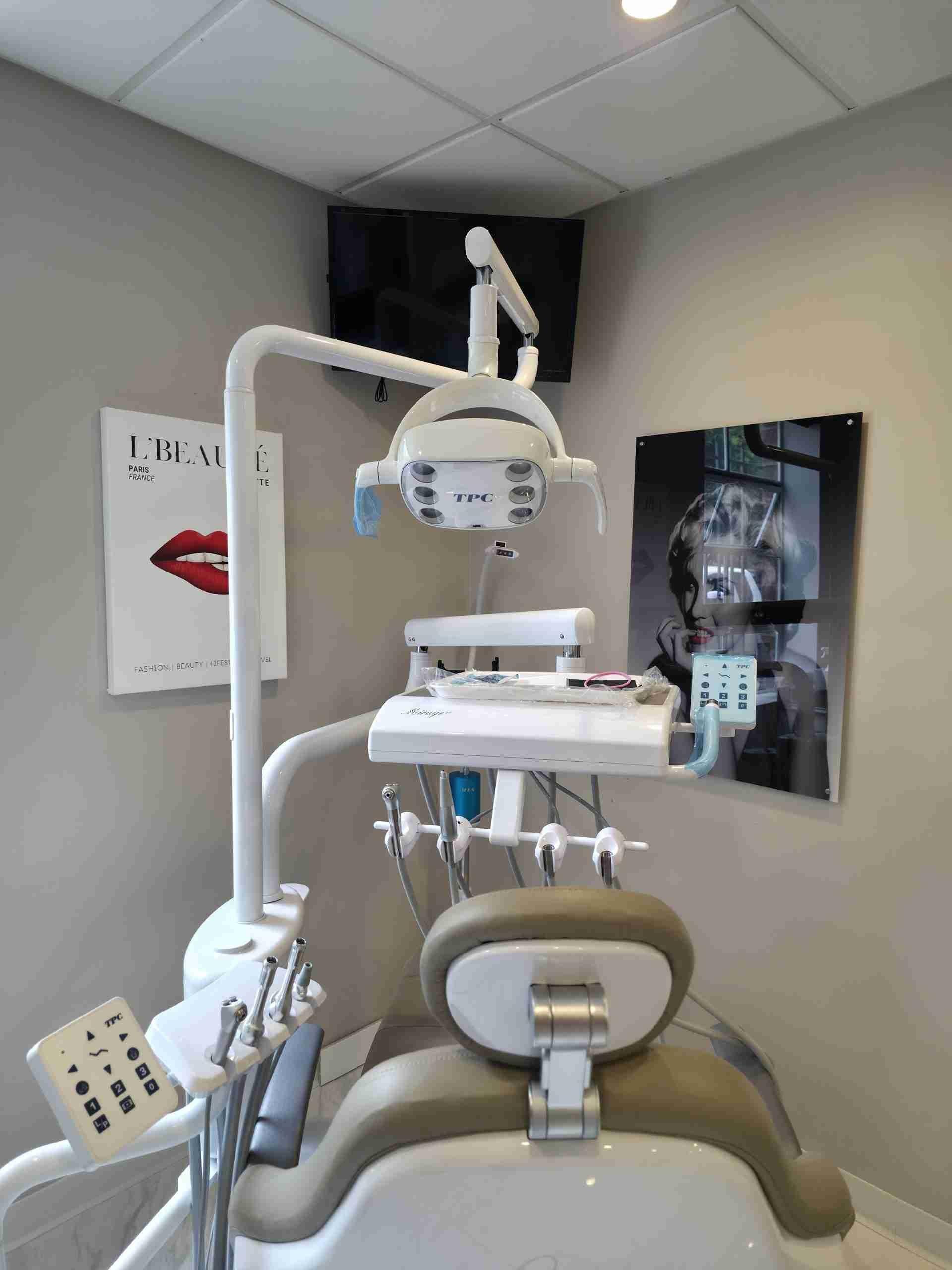
DIGITAL SCANNING:
A few minutes with a small wand, nothing setting in your mouth, and no tray to tolerate. Errors are visible immediately and corrected by rescanning a small area. The file goes to the laboratory the same day, and it is stored so your teeth can be compared over the years.
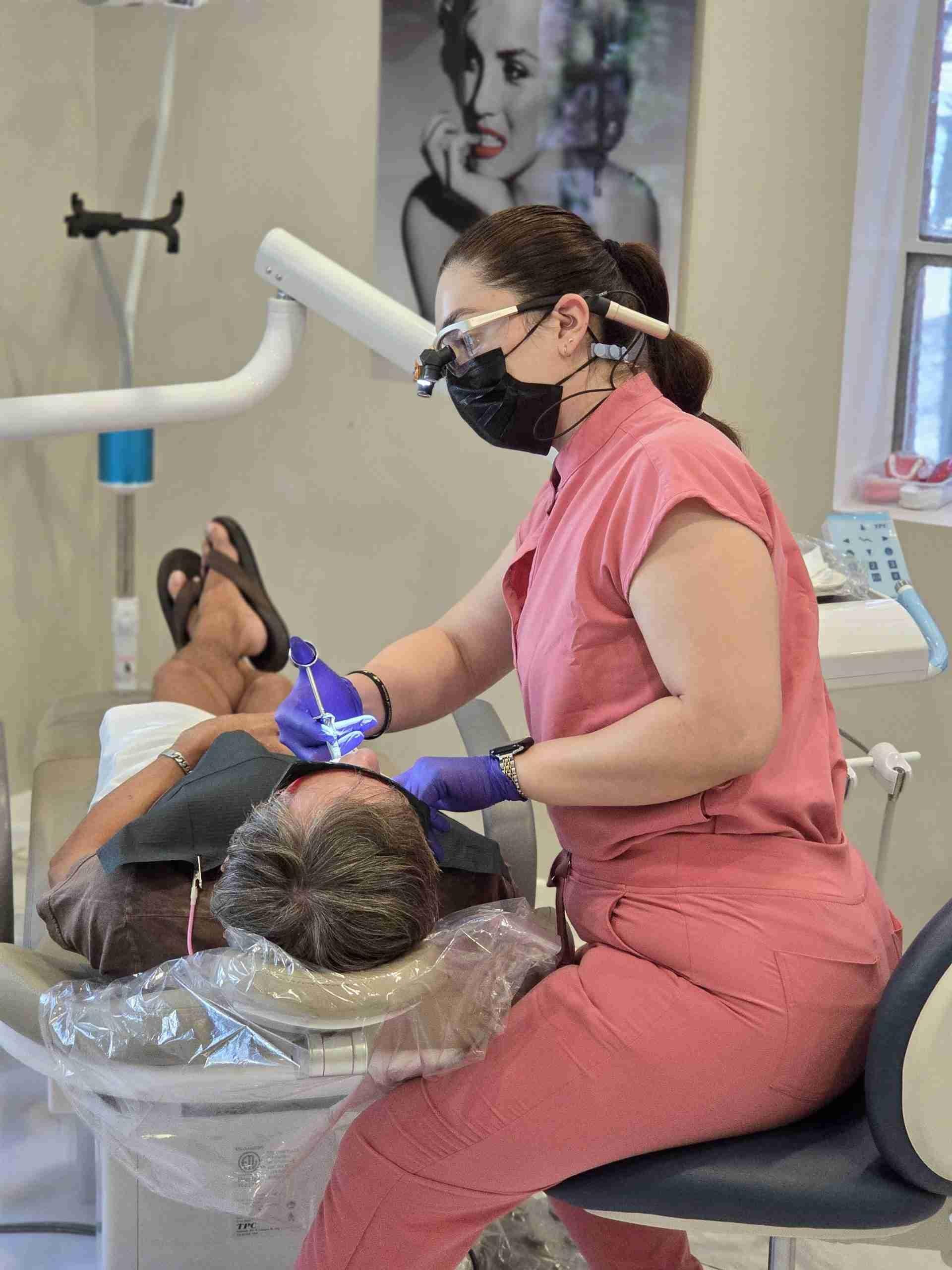
CONVENTIONAL IMPRESSIONS:
A tray of material held in place for several minutes while it sets, which many patients find unpleasant and some cannot tolerate at all. Material can distort in transit, and a flaw is often only discovered at the laboratory, which means repeating the appointment. Still occasionally the better option in specific situations, and we will tell you if yours is one.
WHY DIGITAL SCANNING MATTERS
The comfort is what patients notice. The accuracy is what shows up ten years later.

Better Fit at the Margin
Where a restoration meets the tooth is where decay starts if the fit is poor. Digital accuracy at that margin is the single biggest factor in how long a crown or veneer lasts.

Comfortable for Everyone
No trays and no setting material, which makes treatment possible for patients with a strong gag reflex who have previously avoided this kind of work entirely.

Errors Caught Immediately
A flawed scan is visible on screen and corrected in seconds. A flawed impression is usually discovered days later, and it costs you another appointment.

A Record That Builds Over Time
Scans are kept, so gradual changes like grinding wear and gum recession can be measured against your own past rather than estimated.
Better Fit at the Margin
Where a restoration meets the tooth is where decay starts if the fit is poor. Digital accuracy at that margin is the single biggest factor in how long a crown or veneer lasts.
Comfortable for Everyone
No trays and no setting material, which makes treatment possible for patients with a strong gag reflex who have previously avoided this kind of work entirely.
Errors Caught Immediately
A flawed scan is visible on screen and corrected in seconds. A flawed impression is usually discovered days later, and it costs you another appointment.
A Record That Builds Over Time
Scans are kept, so gradual changes like grinding wear and gum recession can be measured against your own past rather than estimated.
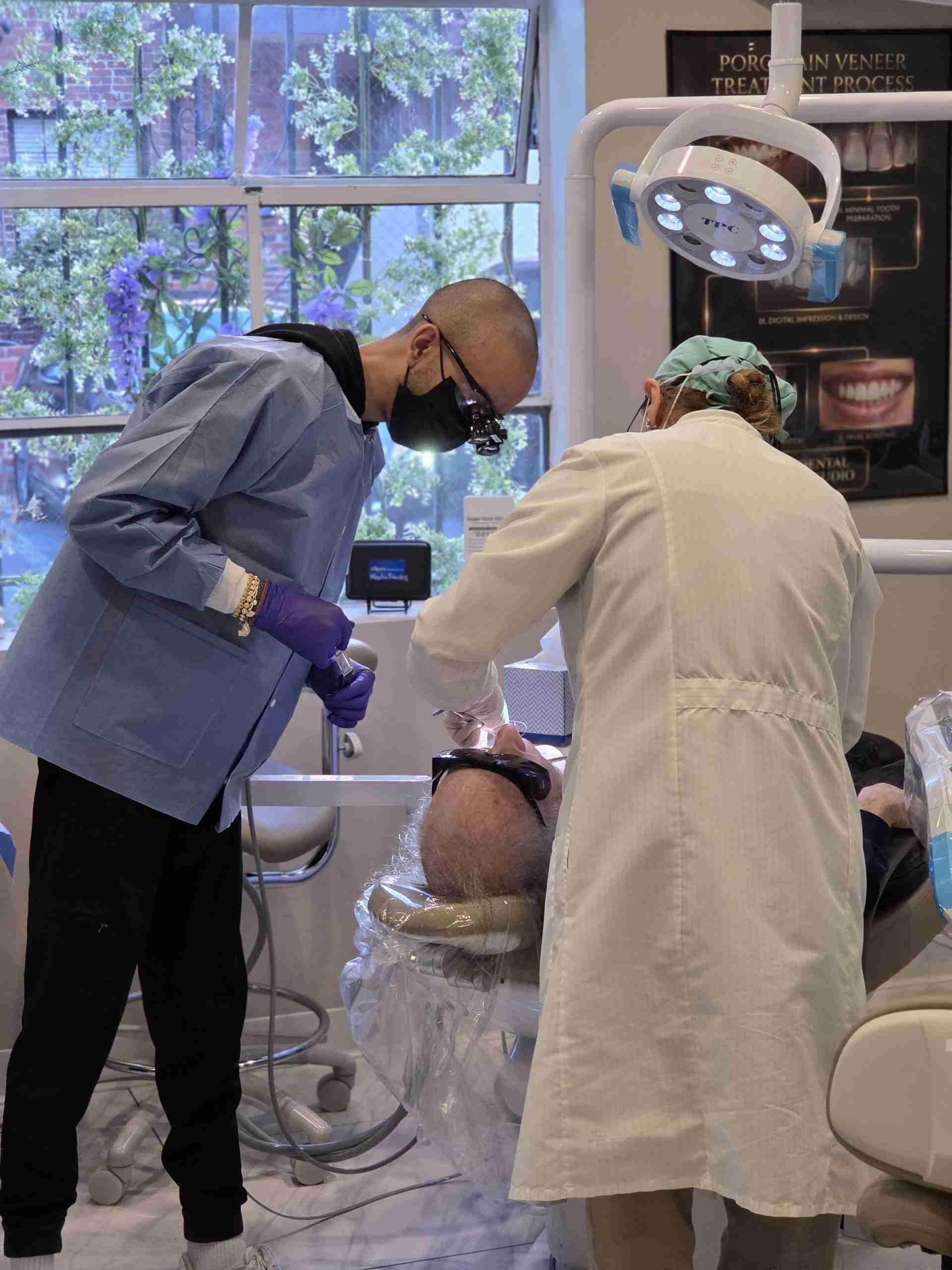
IF IMPRESSIONS HAVE PUT YOU OFF TREATMENT
A strong gag reflex has kept plenty of people from having work they needed done. Digital scanning removes the tray and the material entirely, and takes a few minutes. If that has been the obstacle, it is worth another look. Book a consultation with Dr. Shir.
FREQUENTLY ASKED QUESTIONS ABOUT DIGITAL SCANNING
The questions patients ask most often about scanning.
Does the digital scan hurt or make me gag?
Neither, for almost everyone. The wand is small, nothing is placed in your mouth to set, and you can pause at any point. Patients who have struggled with conventional impressions generally manage a scan without difficulty, and it is the main reason we use one.
How long does a scan take?
A few minutes for a single tooth and around five to ten for a full arch, depending on what it is for. You can see the model building on screen as it goes, which most people find more interesting than they expect.
Is a digital scan more accurate than an impression?
For most restorative work, yes, particularly at the margin where the restoration meets the tooth. It also avoids the distortion that can happen when impression material travels to a laboratory. There are a few specific situations where a conventional impression remains preferable, and we will say so if yours is one of them.
Do you keep my scan?
Yes, and it is genuinely useful. Comparing a scan taken today against one from a few years ago shows grinding wear and gum recession that are far too gradual to notice visit to visit. It turns a subjective impression into a measurement.