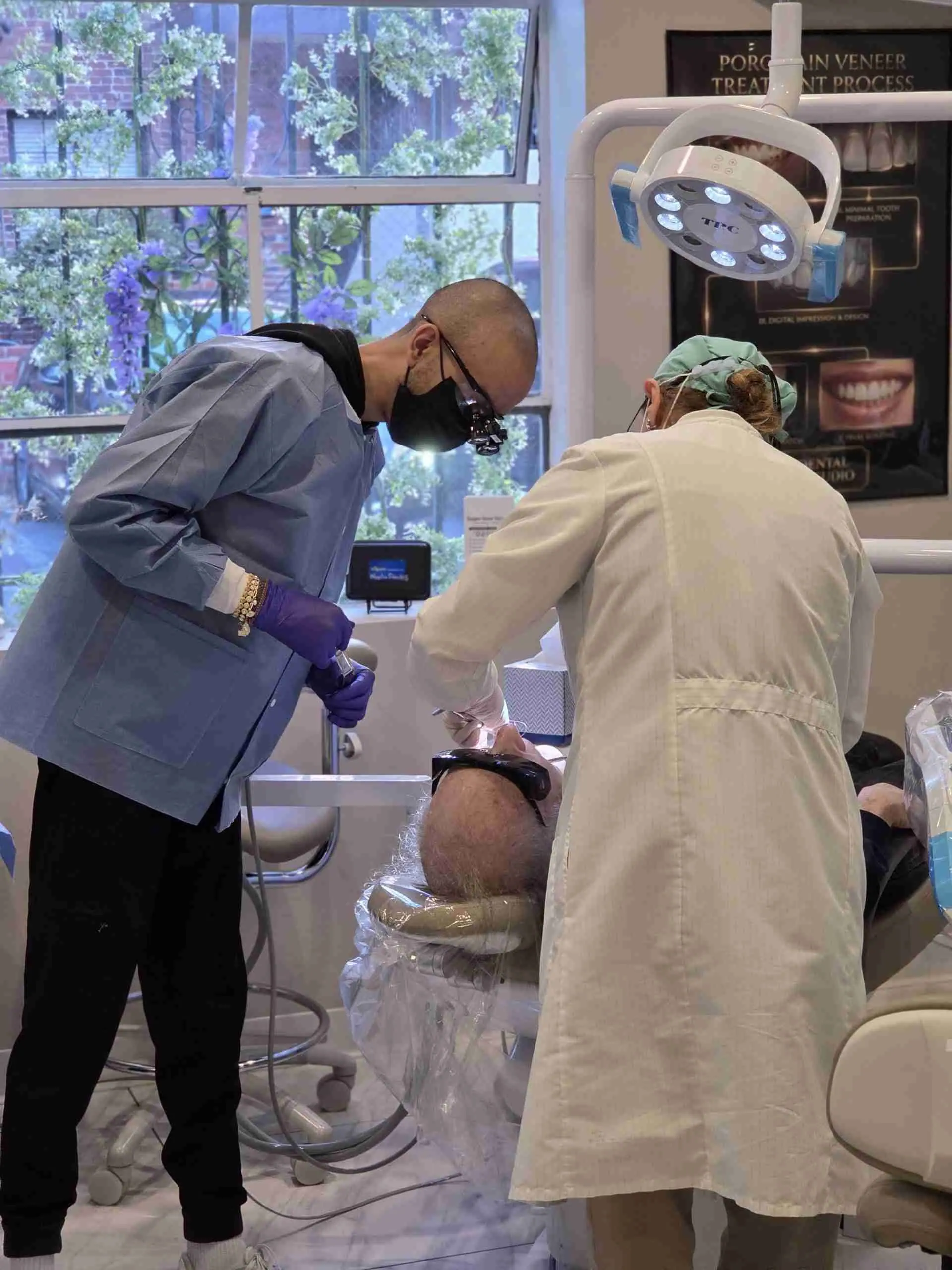
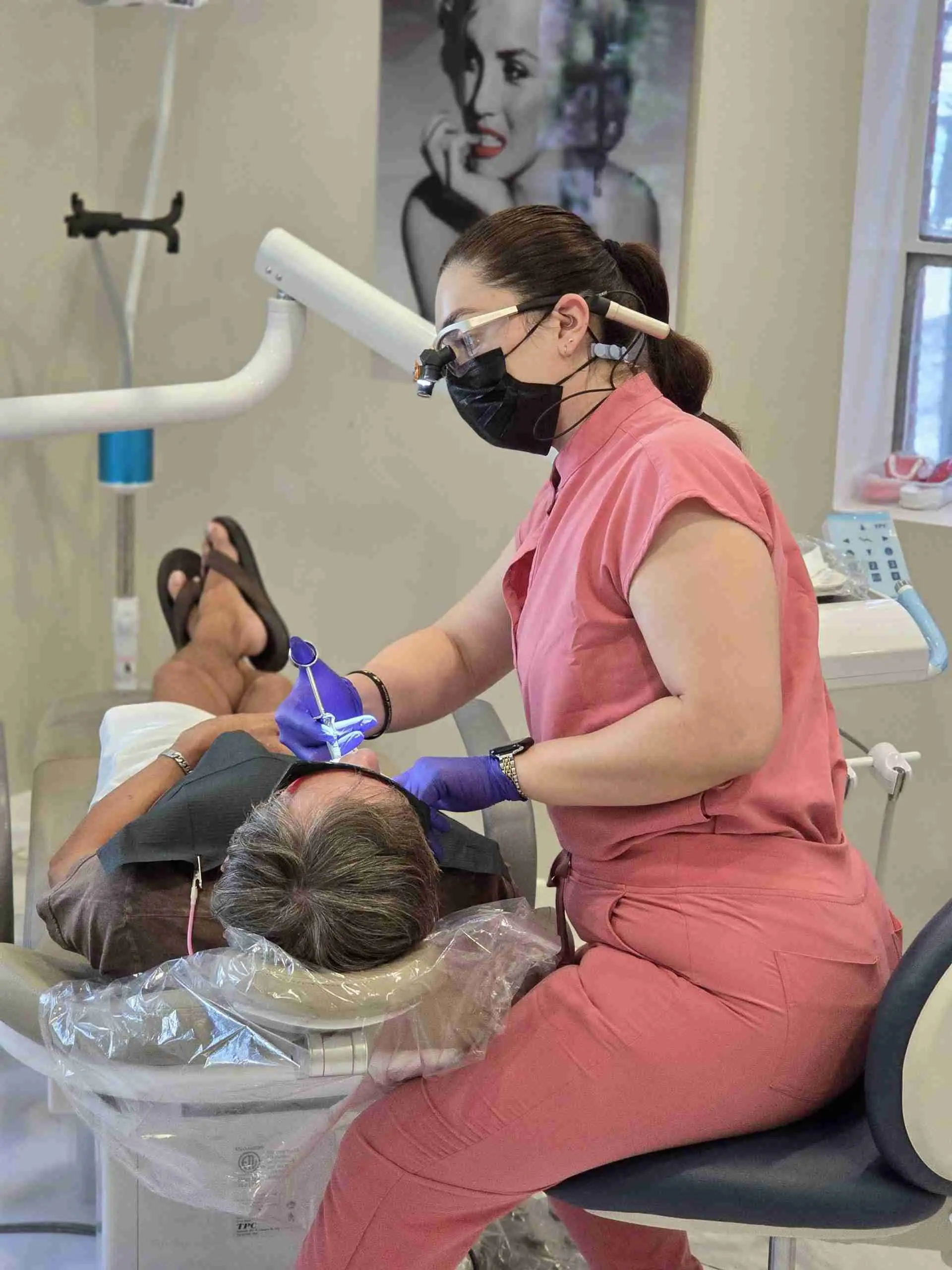
Our office now offers both, for adults and implant patients. This article explains what each one does and what the research says. For the details, see our no-drill cavity care and biofilm therapy pages.
Can early tooth decay be stopped without drilling?
Sometimes. Decay is a tug of war: acid made by the bacteria in plaque pulls minerals out of enamel, and saliva and fluoride put them back. When minerals are lost faster than they return, a chalky white spot can appear. At that stage, decay can be stopped or reversed. Once it breaks through the surface and forms a cavity, the damage stays, and a dentist has to repair it with a filling (NIDCR).
So no-drill care does not rebuild lost enamel: once it is lost, your body cannot replace it (Cleveland Clinic). What it can do is help an early lesion take minerals back in and keep it from getting bigger.
How does Curodont work?
Curodont Repair, made by vVARDIS, is a liquid applied to an early white-spot lesion, with no drilling. Its active ingredient, a self-assembling peptide called P11-4, forms a framework inside the weakened enamel that minerals from saliva can build on.
A 2023 review of six clinical trials found that it likely helps stop early lesions and makes them smaller, and none of the trials reported unwanted changes in how the treated teeth looked. The trials had weaknesses, and the authors call for longer studies (Keeper and colleagues, 2023).
When is a filling still the right choice?
When decay has made a hole in the tooth, reaches deep inside it, or keeps growing after treatment. Curodont is for early lesions: we record each one and recheck it at your visits with an exam and, when needed, digital X-rays. If it keeps growing, a small filling protects the tooth.
What is biofilm, and why does it matter?
Plaque is a biofilm, a sticky film of bacteria on the teeth and along the gums. The bacteria in plaque and tartar can trigger the inflammation that damages the gums, and early gum disease can often be reversed with daily brushing and flossing (NIDCR). Hardened tartar can only be removed by a dental professional, which is where a professional cleaning comes in.
What happens during biofilm therapy?
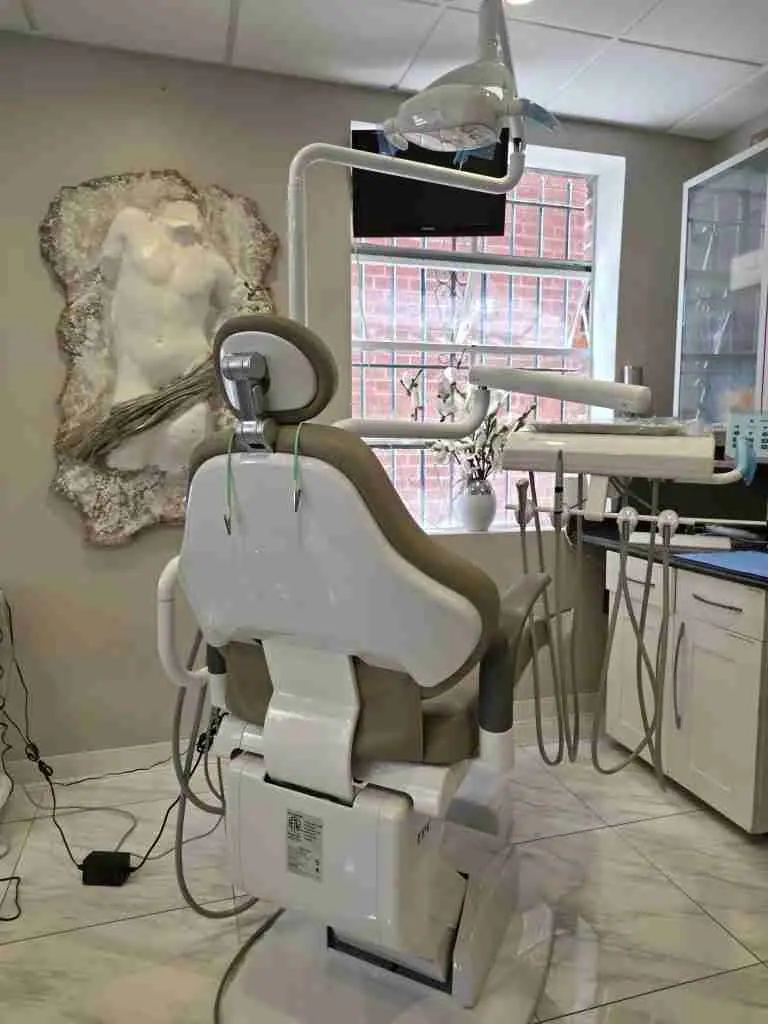
We use Guided Biofilm Therapy with the EMS AIRFLOW system. First, a disclosing solution colors the plaque so it shows up, and we show you where it builds up. Most of it is then removed with air polishing, a fine spray of water, air and a very fine powder. Ultrasonic instruments remove any hard tartar that remains, and a final look makes sure nothing colored is left behind. It is usually its own appointment, but it can also be done at the time of your treatment.
The dye makes a difference. In a small randomized trial, a cleaning guided by the disclosing dye left about half as much plaque at the gumline as the same cleaning without it, and less still on the rest of the tooth (Mensi and colleagues, 2020). Air-polishing powders have also been studied for cleaning below the gumline, including around implants (Gheorghe and colleagues, 2023).
As part of your care, Dr. Shir may also recommend probiotics, omega-3 fatty acids or a resolvin-based supplement. Research on supplements for gum health is still developing: current European guidelines for treating gum disease advise against adding probiotics or omega-3 supplements to deep cleaning, because studies have not shown a clear benefit (EFP guideline, 2020), and studies of resolvins for gum disease have so far been done in animals, with the resolvins put directly on the gums, so studies in people are still needed (Osorio Parra and colleagues, 2019).
Is biofilm therapy better than a regular cleaning?
Not clearly, and we will not tell you otherwise. A 2026 review of five studies comparing Guided Biofilm Therapy with standard scaling found that patients reported less pain and the treatment took less time, but the effect on gum measurements such as bleeding and pocket depth was mixed, and the authors concluded the evidence does not show it is clinically better (Yein and colleagues, 2026). It is a thorough, visible way to clean. If you have deep gum pockets or bone loss, you may still need deep cleanings or other gum disease treatment.
If you would like to know whether either one fits you, book a visit and we will check your teeth and gums first.
Do healthy gums protect your heart and blood sugar?
The research shows a link, not a promise. Diabetes is a risk factor for gum disease, and gum disease has also been linked with heart and blood vessel disease (NIDCR). The American Heart Association found that studies support a link between gum disease and heart and blood vessel disease, but do not show that gum disease causes it, or that treating gum disease prevents it (AHA, 2012).
Diabetes is where the evidence for treatment is stronger. In people with both diabetes and gum disease, a Cochrane review of randomized trials found that treating the gum disease with deep cleaning improved blood sugar control over the following months (Simpson and colleagues, 2022). That is a good reason to keep your gums healthy. It does not make biofilm therapy a treatment for heart disease or diabetes, and your doctor's care stays just as important.
Questions patients ask about no-drill care and biofilm therapy
Can lost tooth enamel come back?
No. Once enamel is lost, your body cannot replace it. Weakened enamel in an early lesion can take minerals back in from saliva and fluoride, which can stop or reverse early decay. That is what Curodont aims to help with.
Who are these treatments for?
Adults and implant patients. Curodont is for early white-spot lesions on natural teeth that have not broken through the enamel; a checkup shows whether yours are early enough.
Is biofilm therapy a separate appointment?
Usually, yes. It can also be done at the time of your treatment appointment.
How often should I have biofilm therapy?
It depends on the health of your gums. We set how often you come back with you after the exam.
If you have white spots, sensitive areas or gums that bleed when you brush, come and see us. We will check your teeth and gums and go through your options, with no pressure to decide that day. Our office is at 416 N. Bedford Dr. in Beverly Hills, a short drive from Century City and West Hollywood. Request an appointment, or call us.